loader
Your Gateway to the Nature's Finest Moments...

[email protected]

A Complete Guide to Bundala National Park

Bundala National Park is a small coastal national park in Southern Sri Lanka, covering about 3,698 ha, known for its wetlands, lagoons, and sand dunes. It is a Ramsar site and UNESCO Biosphere Reserve, famous for migratory waterbirds, especially greater flamingos. The park also hosts elephants, deer, crocodiles, turtles, and other wildlife. Visitors explore it via safari drives from the main entrance near Weligatta, with campsites and tented stays nearby. The best time to visit is October to March, with early mornings offering optimal wildlife viewing.

📍 Specifications of Bundala National Park

General Information
  • Name: Bundala National Park
  • Location: Hambantota District, Southern Province, Sri Lanka
  • Established as National Park: 4 January 1993
  • Previous Status: Declared a Wildlife Sanctuary in 1969
  • Governing Authority: Department of Wildlife Conservation (DWC), Sri Lanka
  • IUCN Category: II – National Park
  • Extent: Approximately 3,698 hectares (after re-gazetting)
  • Climate Zone: Tropical dry zone
  • Significance: Sri Lanka’s most important wetland national park and a globally recognized bird sanctuary
Geography & Landscape
  • Topography:
    • Predominantly flat, low-lying coastal plains
    • Elevation ranges from sea level to about 10 m
  • Geographical Setting:
    • Located along the southern coastline, bordering the Indian Ocean
    • Characterized by a strong marine and wetland influence
  • Hydrology:
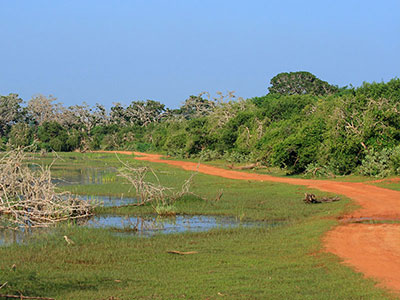
    • Comprises five shallow brackish lagoons: Bundala, Embilikala, Malala, Koholankala, and Mahalewaya
    • Influenced by seasonal streams and saline water intrusion
  • Landscape Types:
    • Coastal sand dunes and beaches
    • Salt marshes and mudflats
    • Dry scrublands and thorny forest patches
    • Seasonal water bodies and salterns
  • Climate Characteristics:
    • Hot and arid with an annual average temperature around 27 °C
    • Rainfall mainly during inter-monsoonal periods
Biodiversity
  • Overall Importance:
    • One of Sri Lanka’s richest wetland ecosystems, especially vital for migratory birds
  • Flora:
    • Around 380+ plant species, including dry-zone scrub, mangroves, salt-tolerant plants, and aquatic vegetation
    • Vegetation adapted to saline and arid conditions
  • Birdlife:
    • Nearly 200 bird species recorded
    • Internationally important wintering site for migratory waterbirds
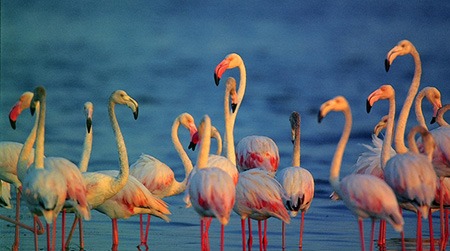
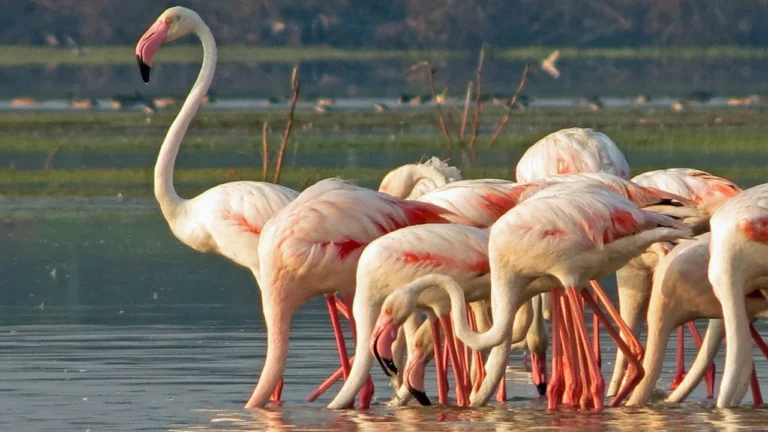
    • Famous for greater flamingos, pelicans, storks, herons, sandpipers, and plovers
  • Mammals:
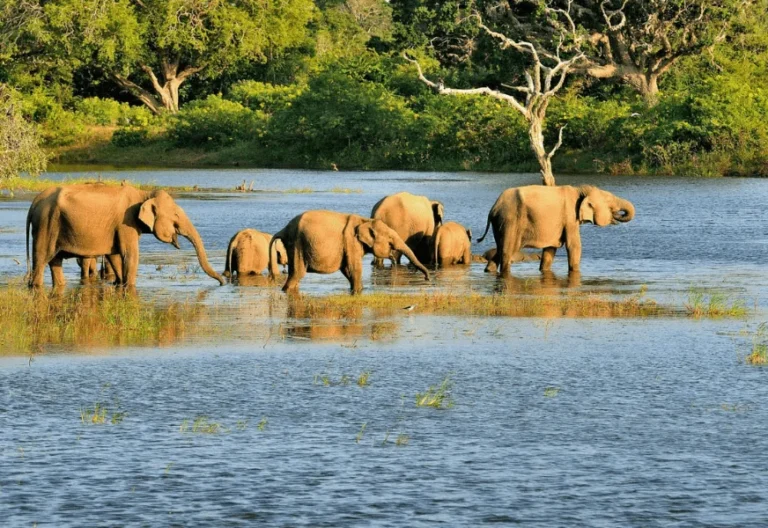
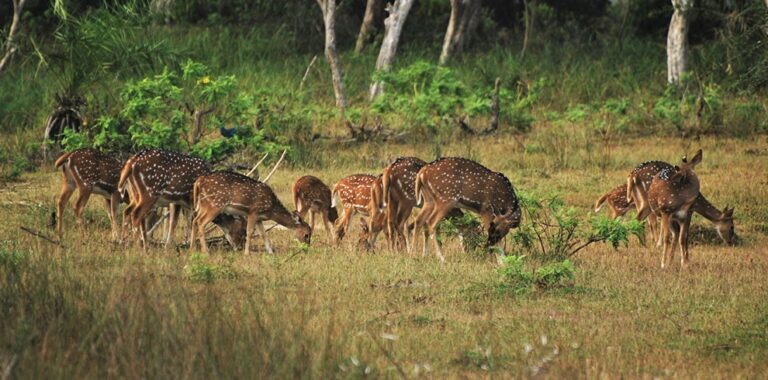
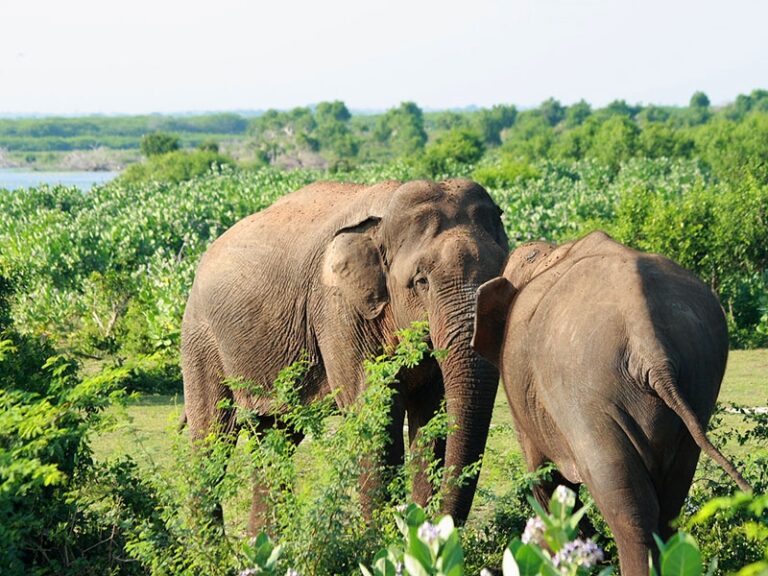
    • About 30–35 species, including elephants, spotted deer, mouse deer, jackals, civets, and wild boar
    • Mammal density is lower compared to large savannah parks
    • Reptiles & Amphibians:
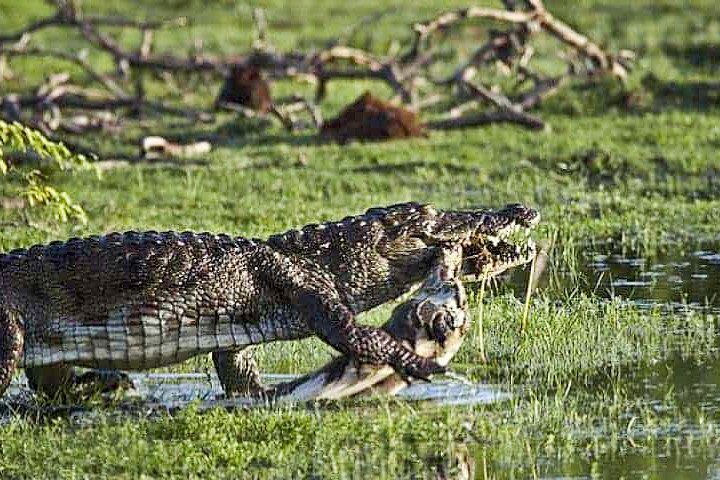
    • Includes mugger crocodiles, estuarine crocodiles, monitor lizards, tortoises, and snakes
  • Marine Life:
    • Coastal beaches are nesting grounds for several sea turtle species
Conservation Status
  • Legal Protection:
    • Fully protected under Sri Lankan wildlife legislation as a National Park
  • International Recognition:
    • Ramsar Wetland of International Importance (since 1991 – first in Sri Lanka)
    • UNESCO Biosphere Reserve (designated in 2005)
  • Ecological Role:
    • Critical habitat for migratory birds along the Central Asian Flyway
    • Maintains coastal wetland ecosystems in the dry zone
  • Key Conservation Challenges:
    • Invasive plant species
    • Changes in lagoon salinity and hydrology
    • Human disturbance and development pressure around park boundaries
  • Conservation Value:
    • High global importance for wetland and avifaunal conservation, despite its relatively small size

Wildlife You Can Expect in Bundala National Park

🐦 Birdlife (Main Highlight)

Bundala is one of Sri Lanka’s most important bird sanctuaries, especially for migratory waterbirds.

Resident & Migratory Birds (≈ 200 species):

  • Greater Flamingo (seasonal highlight)
  • Painted Stork
  • Asian Openbill
  • Eurasian Spoonbill
  • Black-headed Ibis
  • Pelicans (Spot-billed & Great White)
  • Herons & Egrets (Grey, Purple, Little, Great Egret)
  • Cormorants & Darters
  • Sandpipers, Plovers & Godwits
  • Terns & Gulls
  • Kingfishers
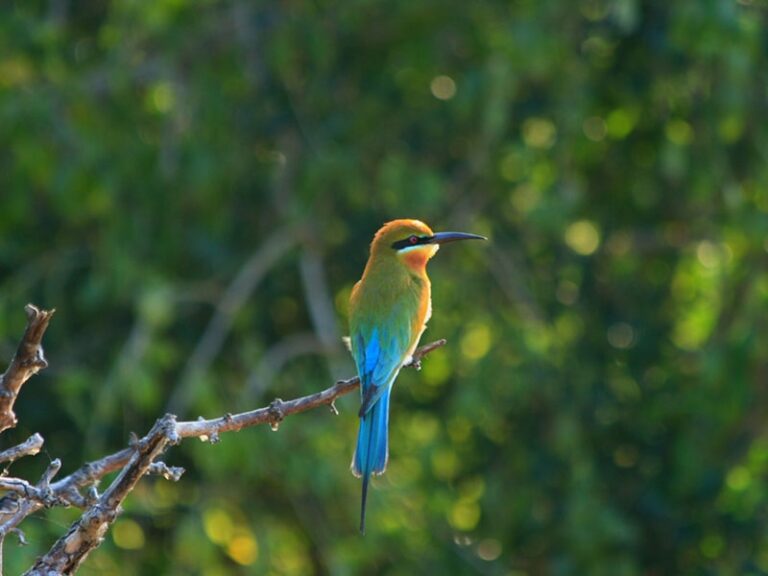
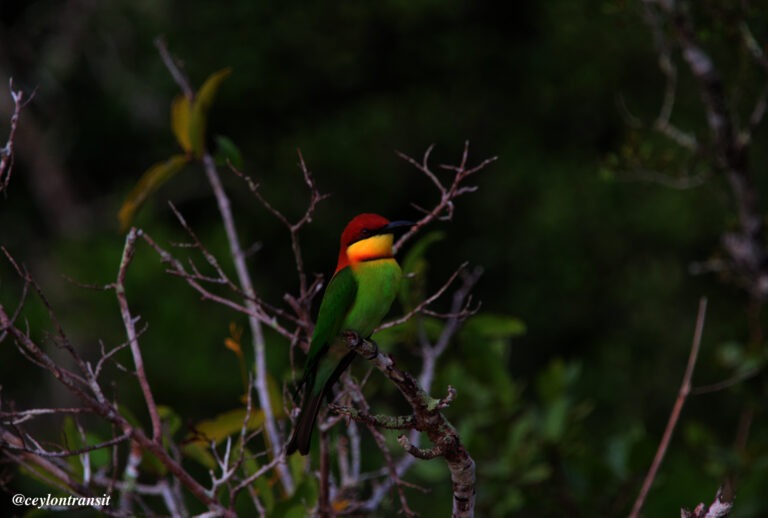
  • Bee-eaters
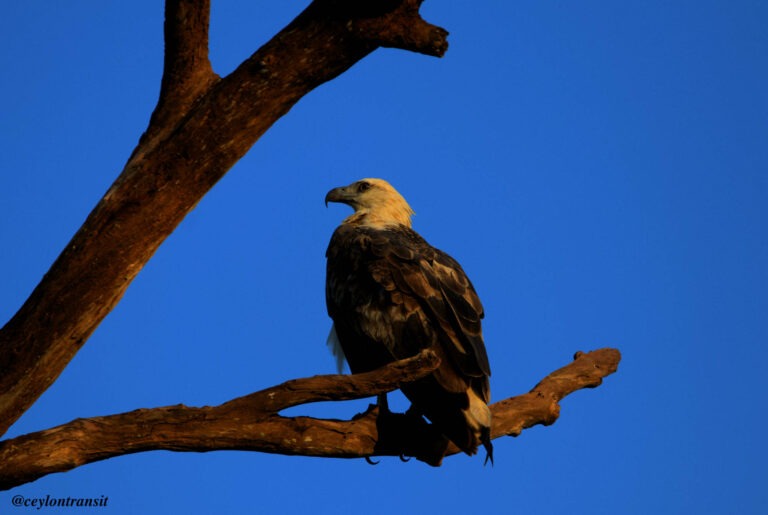
  • Brahminy Kite & White-bellied Sea Eagle

📌 Bundala is internationally recognized as a wintering ground for migratory birds along the Central Asian Flyway.


🐘 Mammals

Mammals are present but less dense compared to large dry-zone parks like Yala.

Commonly Seen Mammals (≈ 30–35 species):

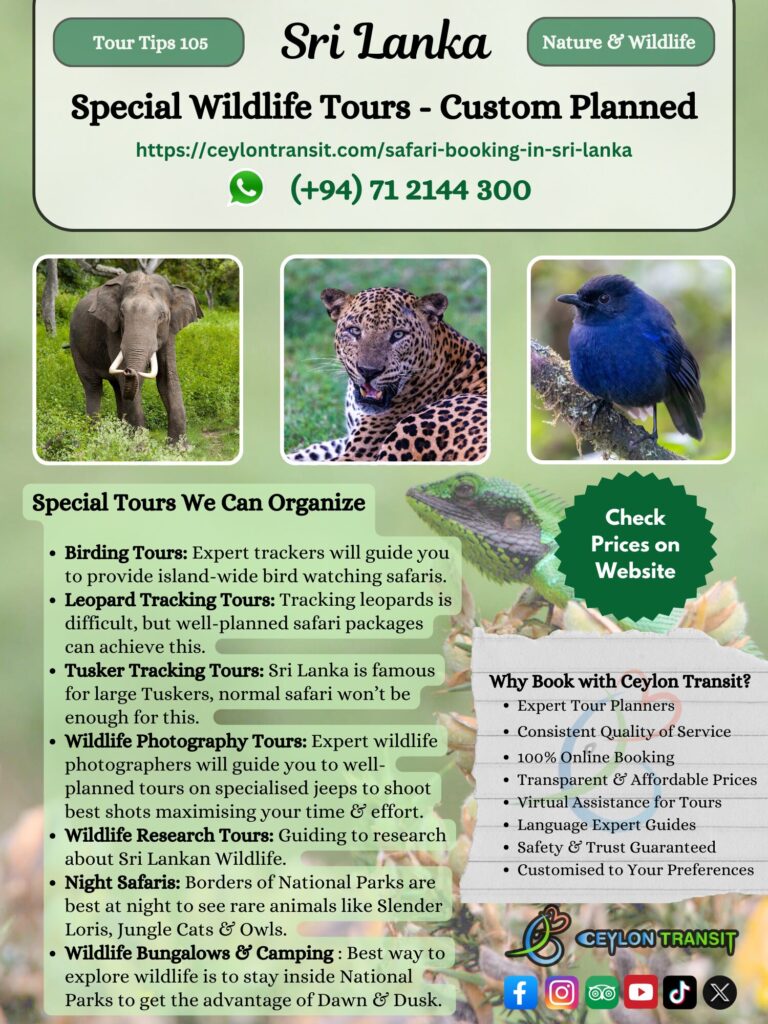
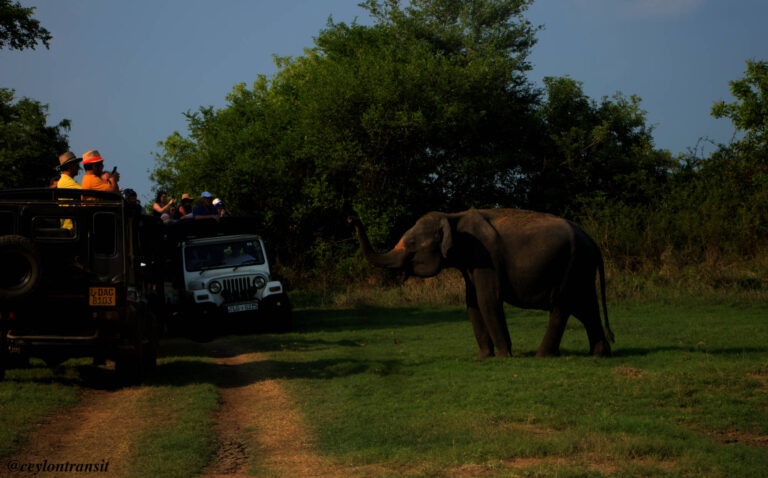
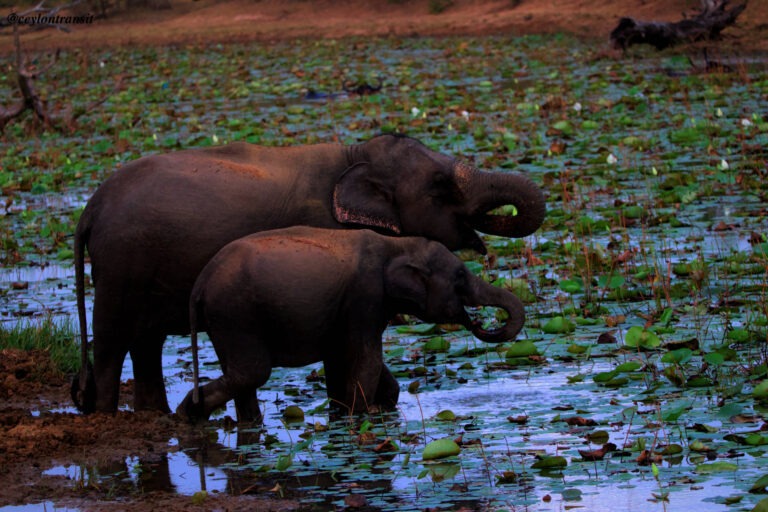
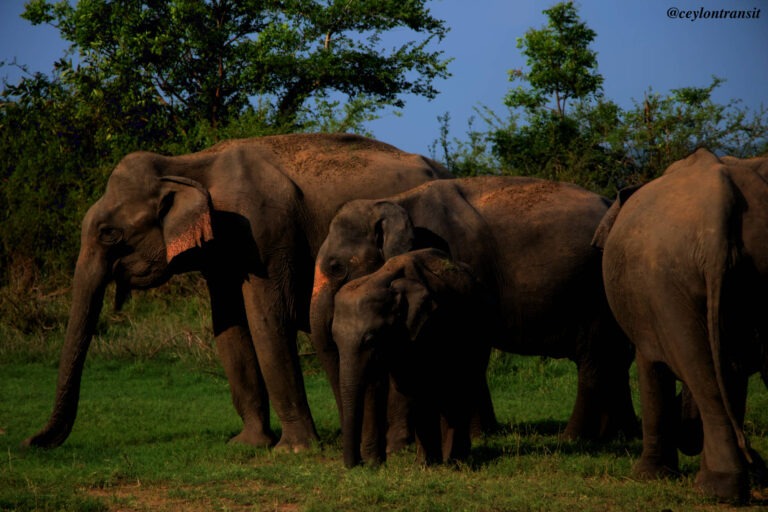
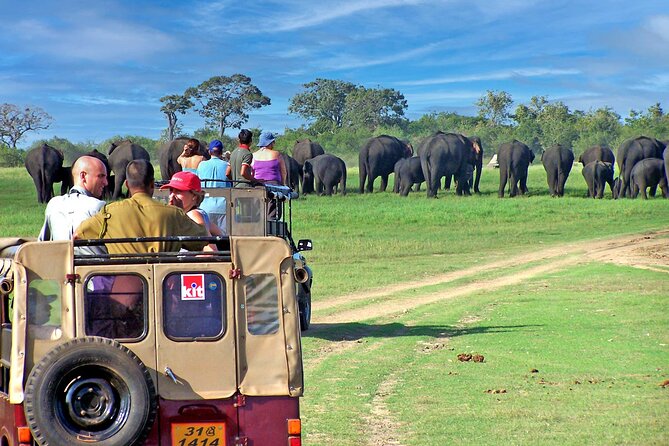
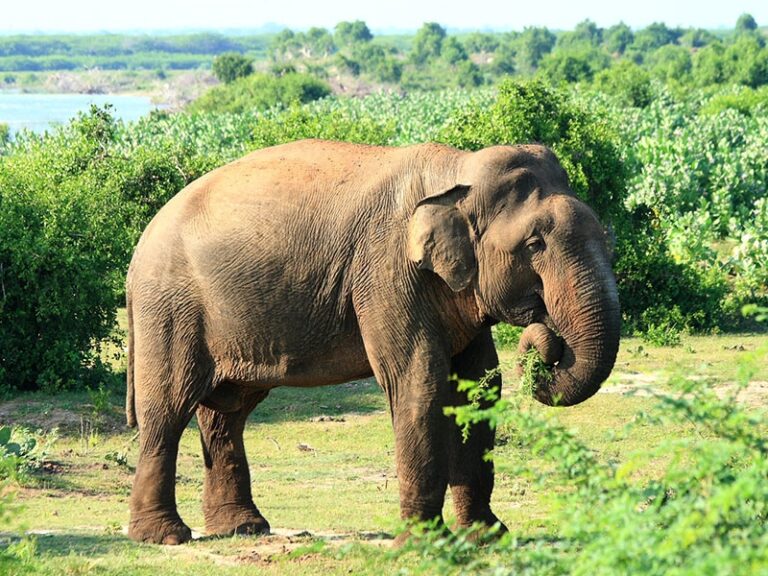
  • Sri Lankan Elephant
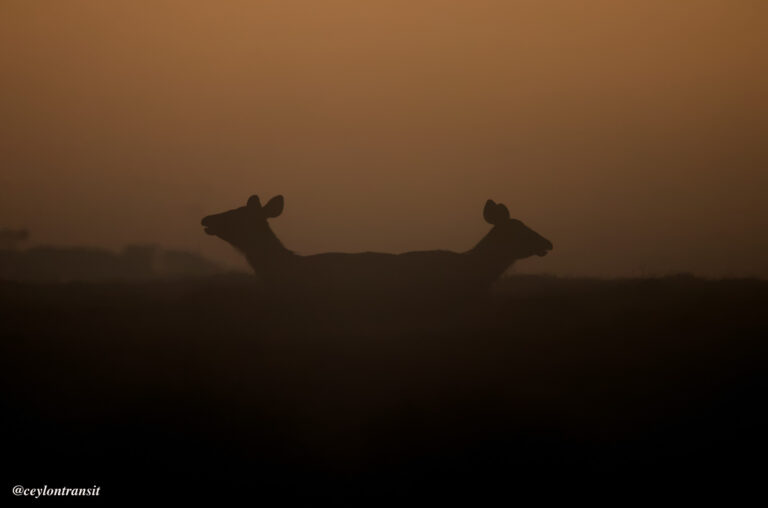
  • Spotted Deer
  • Mouse Deer
  • Wild Boar
  • Golden Jackal
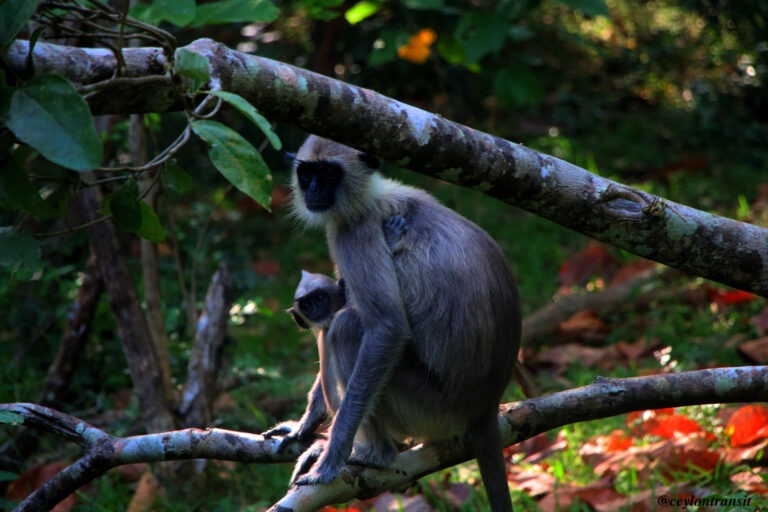
  • Grey Langur
  • Toque Macaque
  • Indian Hare
  • Small Indian Civet
  • Palm Civet
  • Indian Mongoose

🔎 Occasionally sighted: Rusty-spotted Cat, Fishing Cat


🐊 Reptiles

Bundala’s lagoons and wetlands support a rich reptile population.

  • Mugger Crocodile
  • Estuarine (Saltwater) Crocodile
  • Water Monitor Lizard
  • Land Monitor Lizard
  • Indian Star Tortoise
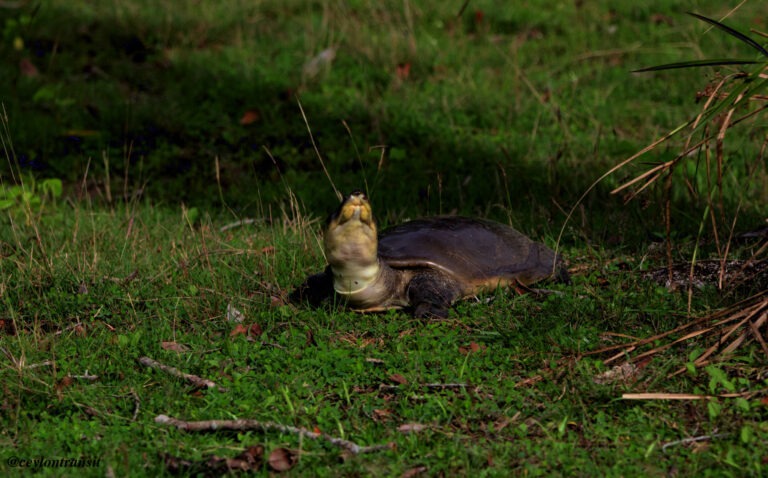
  • Soft-shell Turtle
  • Various snakes (including pythons and non-venomous water snakes)

🐢 Marine & Coastal Wildlife
  • Sea Turtles nesting along nearby beaches:

    • Green Turtle
    • Olive Ridley Turtle
    • Loggerhead Turtle
    • Hawksbill Turtle (rare)

🐸 Amphibians
  • Common Toad
  • Skipper Frog
  • Indian Bullfrog
  • Several wetland-dependent frog species

🐟 Fish & Invertebrates
  • Lagoon fish adapted to brackish water
  • Crabs, prawns, mollusks
  • Rich insect life supporting bird populations

Safari Times & Durations in Bundala National Park

The best time for a safari in Bundala National Park is from October to March, when the park becomes a major wintering ground for migratory birds, including large flocks of flamingos, waders, and waterbirds. During this period, the lagoons retain water and wildlife activity is high, making it ideal for birdwatching and photography. Early morning safaris (around 6:00–9:30 AM) are the most rewarding due to cooler temperatures and active birdlife, while late afternoon safaris (3:30–6:00 PM) also offer good sightings near lagoons and wetlands.

  • Morning Safaris (Half-Day): The best time to go is at dawn when the animals are most active. Morning safaris typically do from 6:00 AM to 11:00 AM. Nearly it’s 5 hours safari session.
  • Afternoon Safaris (Half-Day): The afternoon safari begins around 1:00 PM to 6:00 PM, and the wildlife tends to be more visible as the sun sets and animals come to the waterholes. It also around 5 hours safari.
  • Full day Safari: Full day safari period is from 6:00 AM to  6:00 PM. You can spend about 10 hours inside the park on a full day safari allowing to explore all important parts of the park as well as most of the animals.

Bundala National Park Entrances

Bundala Main Entrance (Bundala Junction, Weligatta):

The primary and most frequently used entrance, located near Hambantota. It provides easy access to the main lagoon systems and is the preferred gate for most safari vehicles.

How to Get to Bundala National Park Entrances

From Hambantota 📍

Bundala National Park is only about 15–20 minutes away. Follow the Hambantota–Tissamaharama road and turn right at Bundala Junction to reach the main entrance.

From Tissamaharama 📍

Drive toward Hambantota along the coastal road. This route conveniently connects to the main entrance, often used by visitors combining Bundala with Yala Safari together.

Bundala National Park Safari Costs

Travel Tips for Bundala National Park​

  • Book Safaris in Advance: It is highly recommended to book your safari in advance, especially during the high season (March to September) to secure a quality jeep and a guide. You can book through your tour operator or directly a jeep operator.
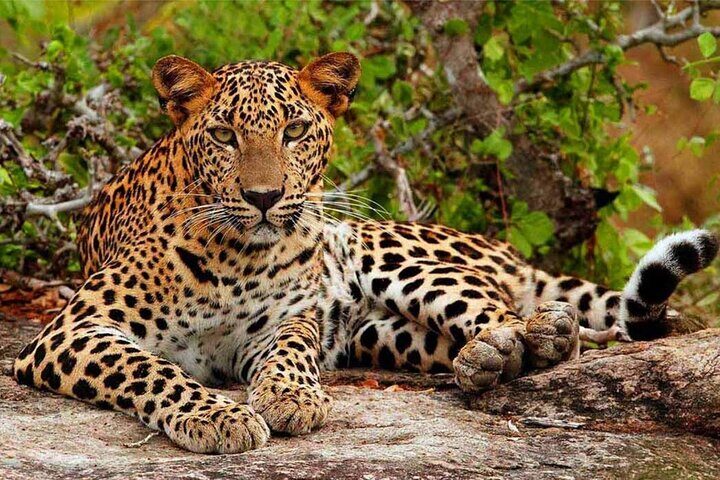
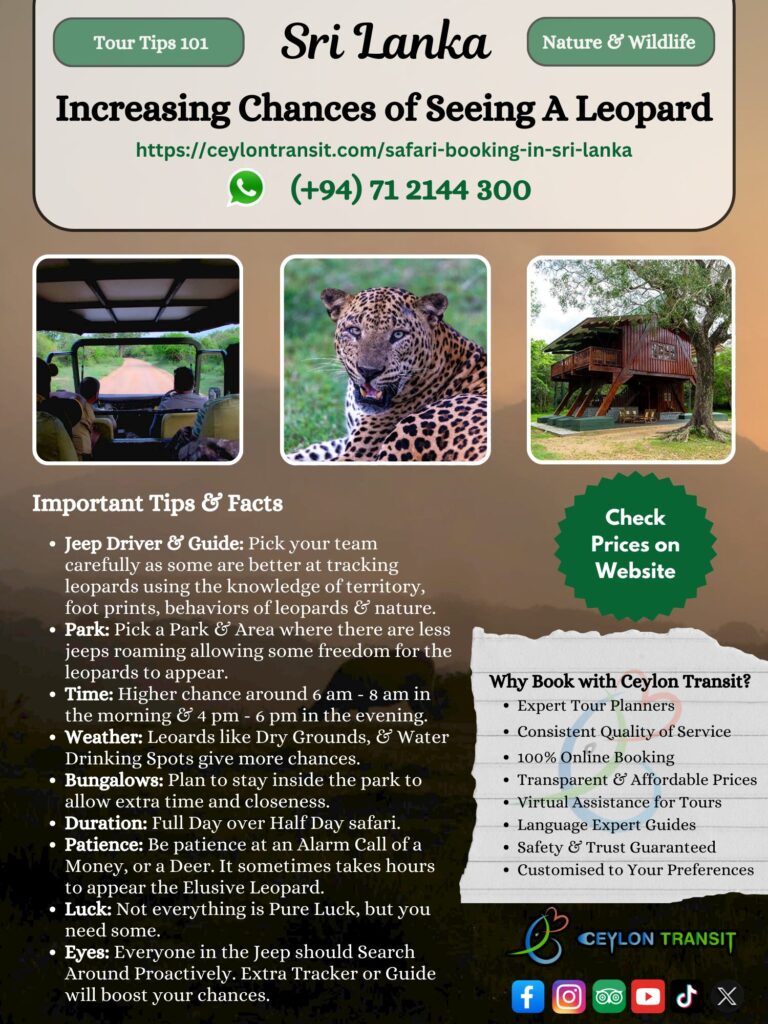
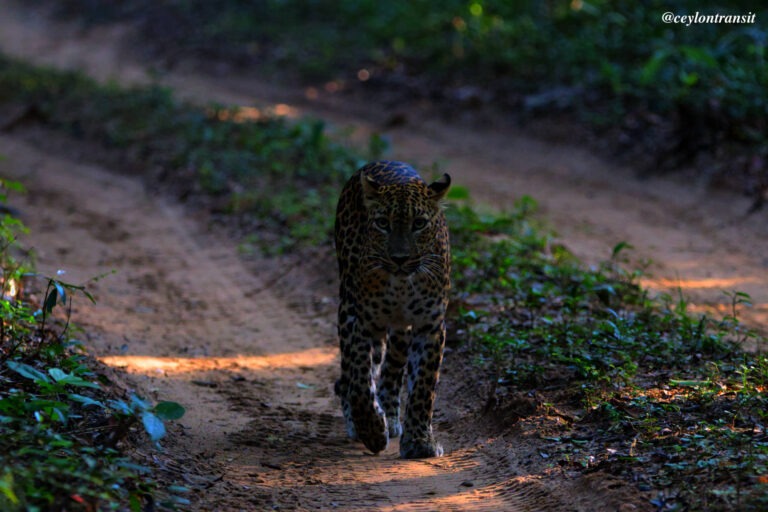
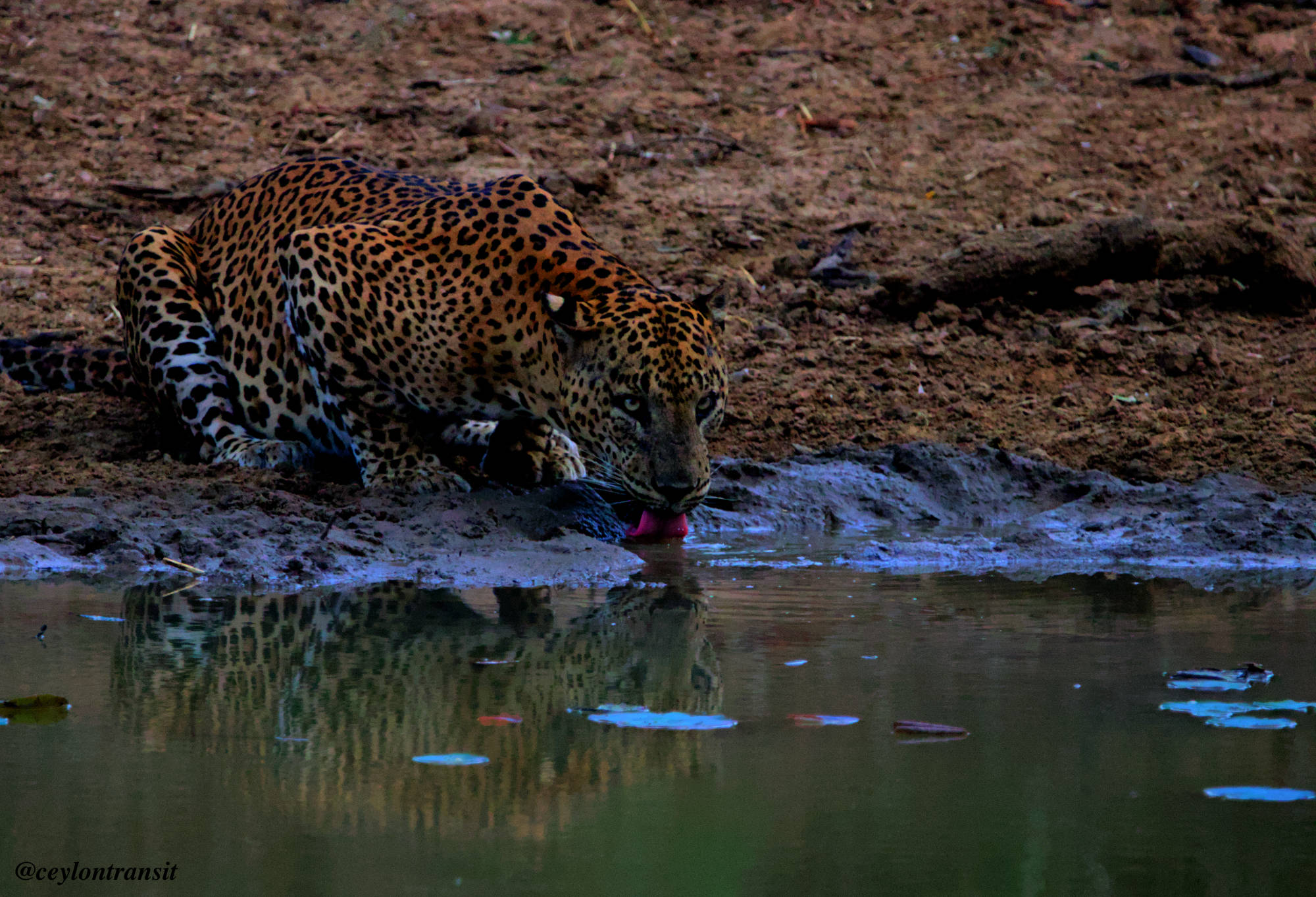
  • Your Guide Matters: Animal sightings are not completely random, An experience Guide and a Naturalist will track animals like leopards better based on historical statistics about their behaviour and environment conditions. Hence you need to pick a good team for your safari.
  • Naturalist for Better Experience: Extra Naturalist will be a great addition if you are interested in understanding better about animals, their behaviour, animal tracking, conservation, and national park details.
  • About Food during Safari: Bundala doesn’t offer any rest area facilities inside the park during the safari. You may need to have meals before or after the safari. Visitors may only have Water and a Snack.
  • Carry Snacks and Water: While there are no restaurants inside the park, it’s a good idea to carry snacks, water, and other essentials for your comfort during the safari. These may be provided by the safari jeep operator himself.
  • Wash Room Facilities: Washrooms are placed only at the entrance. Keep in mind to use washrooms before starts the safari.
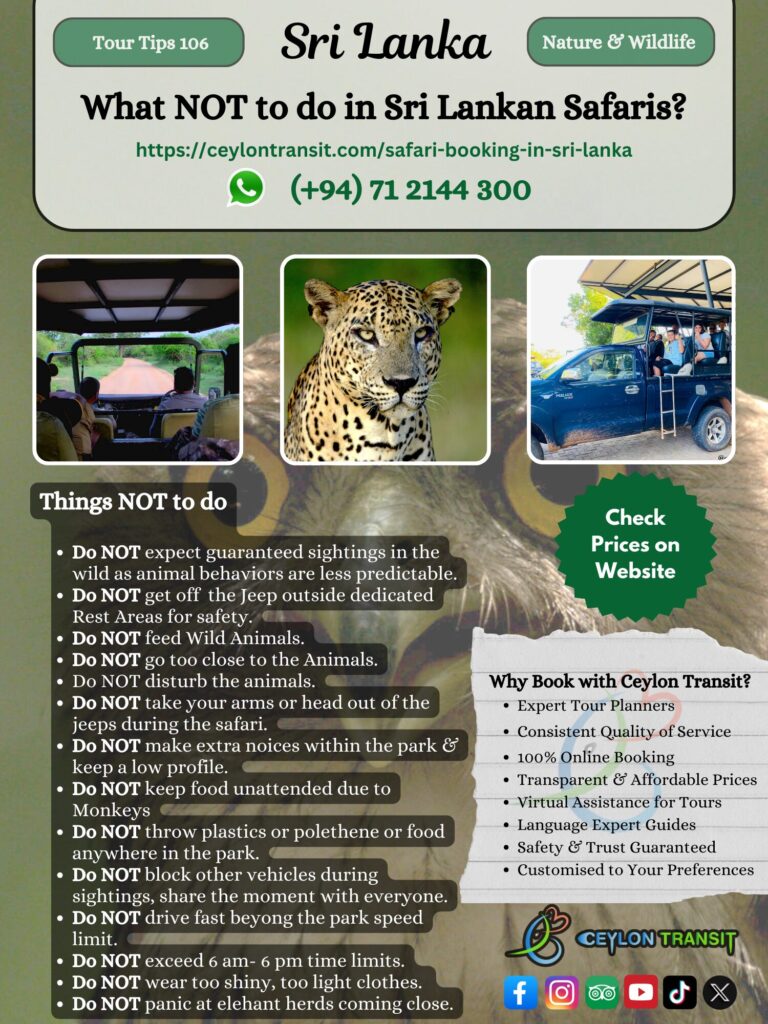
  • Dress code: It’s better to wear earthy, neutral-colored, lightweight, breathable fabrics clothing to stay comfortable. Bright colors can disturb wildlife and make it harder to blend in with the surroundings. Also wear comfortable, closed-toed shoes and a wide-brimmed hat and sunglasses. Using a sun-screen is also recommonded.
  • Respect Nature: Avoid making loud noises or disturbing wildlife. Always follow the guide’s instructions for a safe and responsible safari experience

Campsites in Bundala National Park

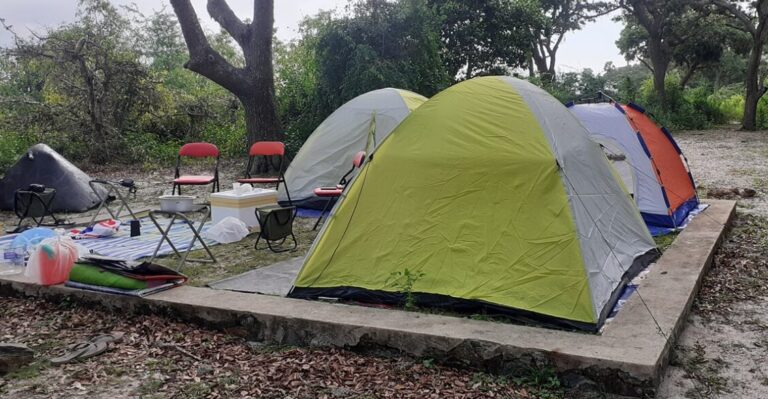
There are no any Bungalows inside the park. However, there are a couple of options related to staying within or very close to the park area:

🌿 Campsites inside the park:
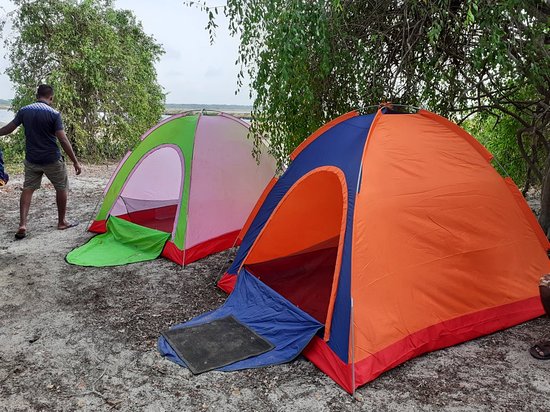
Bundala has designated campsites (e.g., Pathiraja and Thalgasmandiya), which allow you to stay immersed in the natural surroundings. These campsites are more basic and rustic than full bungalows and usually need to be reserved through the Department of Wildlife Conservation.

Private tented safari camps:
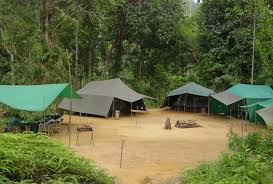
Some operators run tented safari camps inside or on the edge of the national park, offering a more comfortable wilderness experience with tents that include sleeping and basic facilities. This is not the same as a permanent bungalow, but it does provide overnight accommodation very close to wildlife areas.

Comparison to other Sri Lankan National Parks

Compared with other Sri Lankan national parks, Bundala National Park is unique for its wetland and bird-focused ecosystem rather than large mammals. Unlike Yala, Wilpattu, or Udawalawe, which are famous for leopards and elephants, Bundala is best known as the country’s top bird sanctuary, especially for migratory waterbirds and flamingos. It is much smaller and flatter than most parks and features lagoons, salt marshes, and coastal dunes, similar in feel to parts of Lunugamvehera but with far greater wetland importance. While big-game sightings are limited, Bundala stands out internationally due to its Ramsar and UNESCO Biosphere Reserve status, making it more significant for wetland conservation and birdwatching than classic safari experiences.

Other Experiences around Bundala National Park

Experience Important Facts
Birdwatching around lagoons & salt pans Excellent viewing of flamingos, pelicans, storks, and waders, especially during the migratory season (Oct–Mar).
Nature & wildlife photography Open wetlands, reflective lagoons, and coastal light provide ideal conditions for sunrise and sunset photography.
Sea turtle watching (nearby beaches) Seasonal nesting of green, olive ridley, loggerhead, and hawksbill turtles along the Hambantota–Kirinda coast.
Hambantota salt pans visit Traditional and commercial salt production linked to Bundala’s lagoon system and saline ecology.
Coastal drive (Bundala–Weligatta / Kirinda) Scenic route featuring sand dunes, lagoons, scrublands, and Indian Ocean views.
Cultural visits (Kirinda & Tissamaharama) Easy access to religious and historical sites such as Kirinda Raja Maha Viharaya.
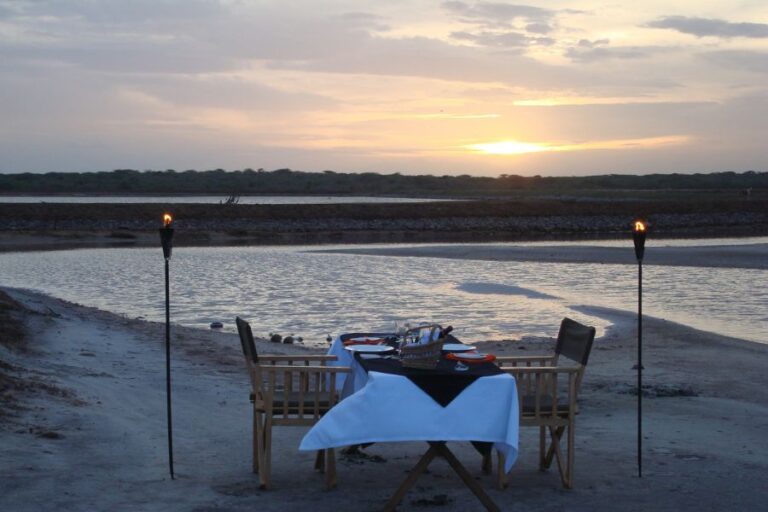
Lagoon-side sunset viewing Calm, vehicle-free experience outside park boundaries with dramatic wetland sunsets.
Wetland ecology learning Opportunity to understand Ramsar wetland values, migratory bird routes, and conservation importance.

Our Blog

Be a Part of Our Exclusive Memories

What Our Customers Say

Ceylon Transit