loader
Your Gateway to the Nature's Finest Moments...

[email protected]

A Complete Guide to Sinharaja Rain Forest

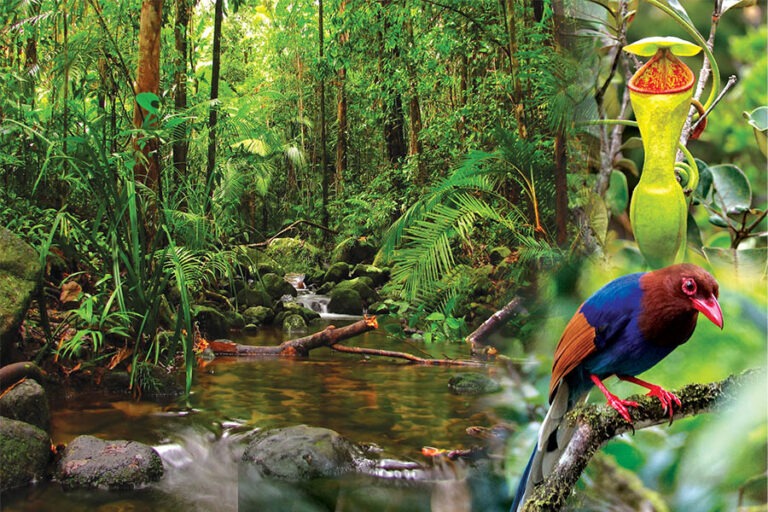
Sinharaja Rain Forest is Sri Lanka’s last major lowland tropical rainforest and a UNESCO World Heritage Site. Located in the island’s southwest, it is renowned for its extremely rich biodiversity, with a very high percentage of endemic plants, birds, reptiles, and amphibians. The forest features dense evergreen vegetation, streams, and waterfalls, and plays a vital role in protecting river catchments and regulating climate. Strictly protected, Sinharaja is mainly explored on foot with guides and is best known for nature walks and birdwatching rather than wildlife jeep safaris.

πŸ“ Specifications of Sinharaja Rain Forest

General Information
  • πŸ“ Located in Sri Lanka’s southwestern lowland wet zone
  • 🌳 Extent: ~11,187 hectares
  • 🌧️ Climate: Tropical humid, heavy rainfall year-round
  • πŸ”οΈ Elevation range: ~300–1,170 m
  • 🌍 Last remaining large primary lowland rainforest in Sri Lanka
Geography & Landscape
  • ⛰️ Rolling hills, steep ridges, and deep valleys
  • 🌲 Dense multi-layered evergreen canopy
  • 🌊 Numerous streams, forest springs, and waterfalls
  • πŸ’§ Major river catchment for Kalu Ganga, Gin Ganga & Nilwala Ganga
  • 🌫️ Cool, shaded forest floor with high humidity
Biodiversity
  • 🌿 About 60% of tree species endemic to Sri Lanka
  • 🌳 Dominated by Dipterocarp species
  • 🐦 Home to almost all Sri Lankan endemic rainforest birds
  • 🦎 Very high endemism among reptiles & amphibians
  • 🐾 Famous for mixed-species bird flocks
  • πŸ¦‹ Extremely rich insect and butterfly diversity
Conservation Status
  • πŸ›‘οΈ Declared a Strict Nature Reserve
  • 🌐 UNESCO World Heritage Site (since 1988)
  • πŸ“˜ IUCN Category Ia (highest protection level)
  • 🏒 Managed by the Department of Forest Conservation
  • 🚢 Visitor access strictly controlled; guide compulsory

Wildlife You Can Expect in Sinharaja Rain Forest

Mammals

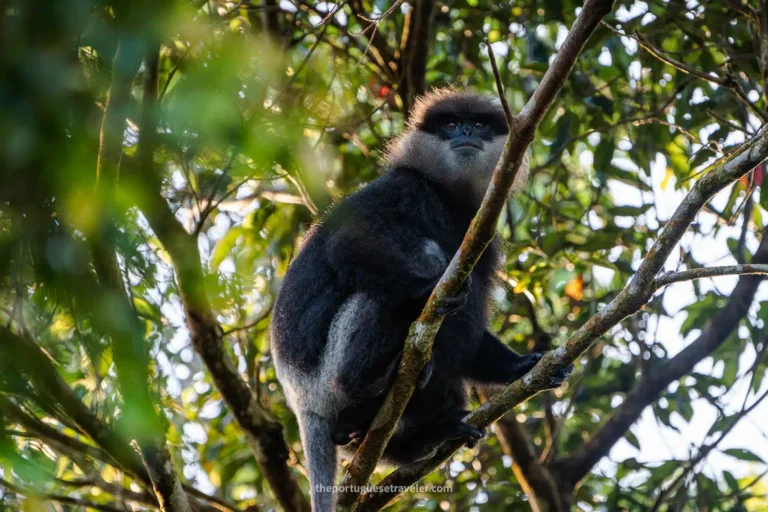
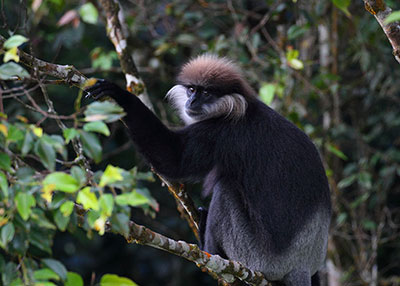
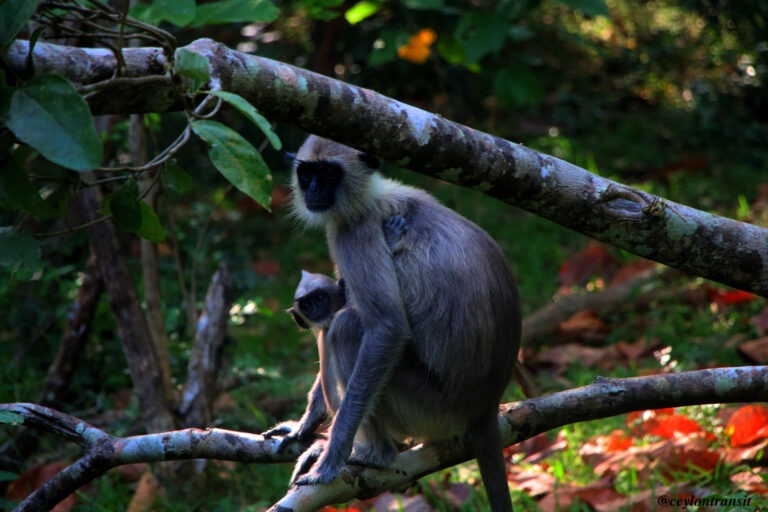
  • πŸ’ Purple-faced langur (endemic)
  • 🐿️ Giant squirrel
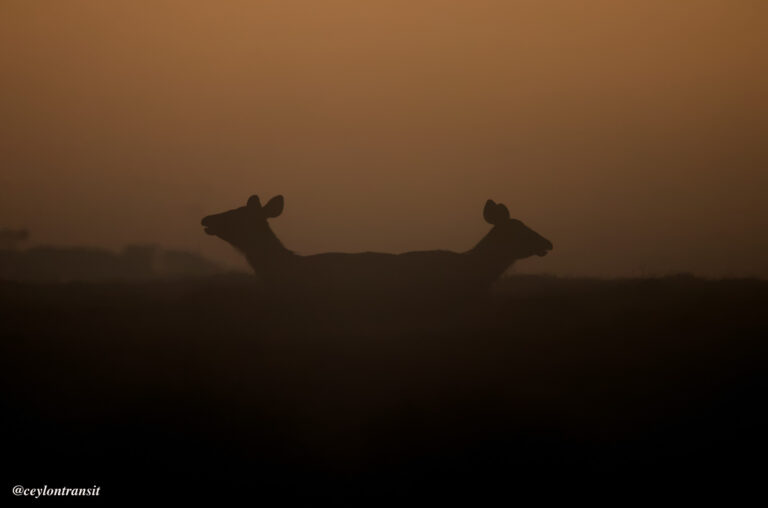
  • 🦌 Mouse deer
  • πŸ— Wild boar
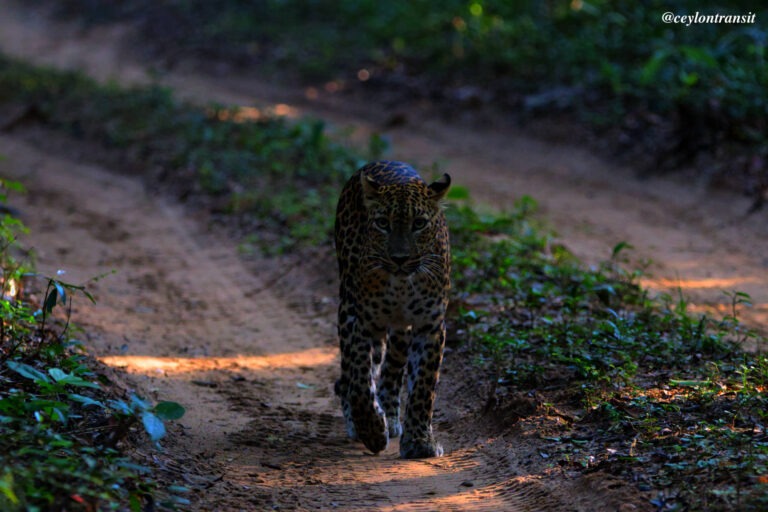
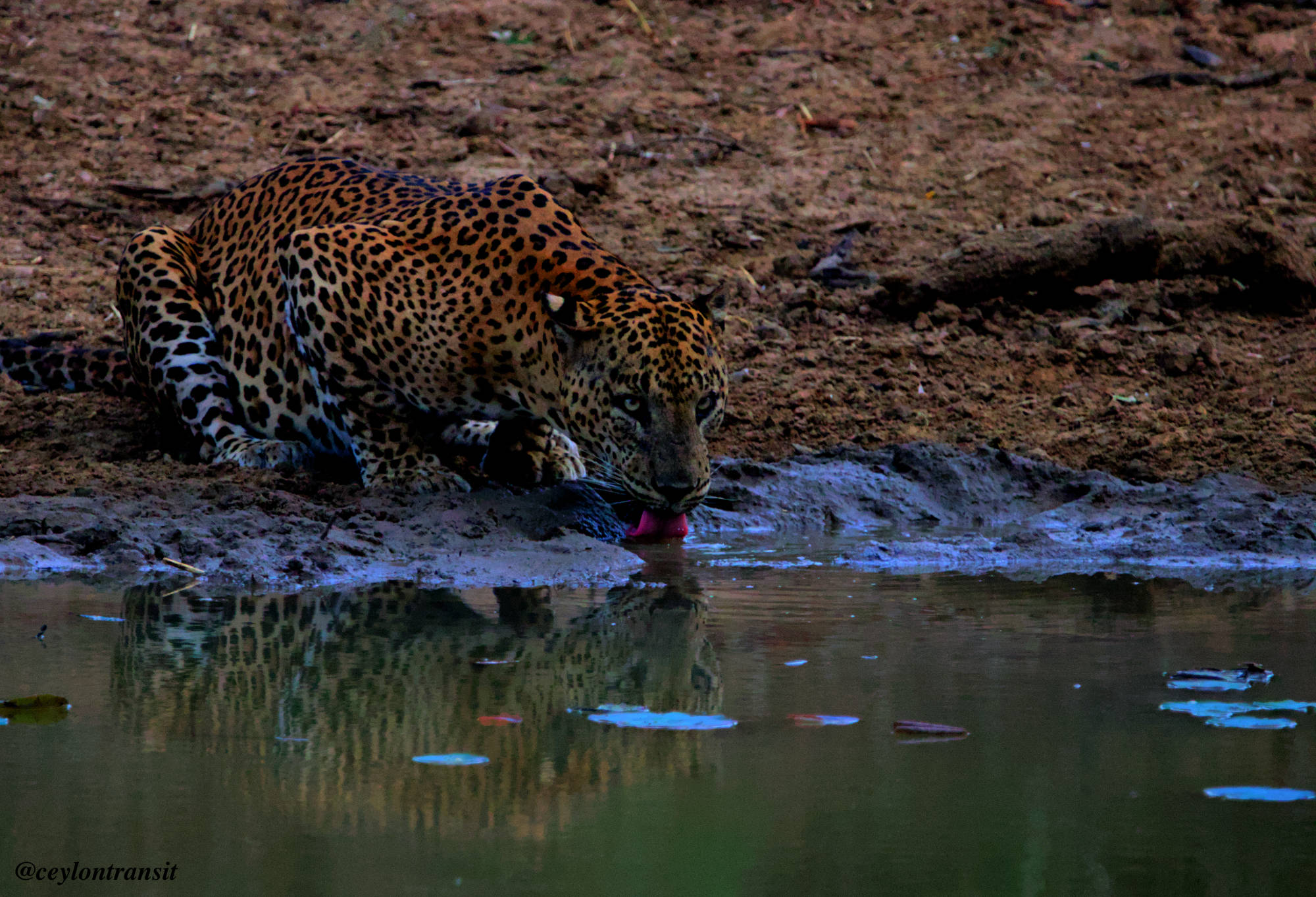
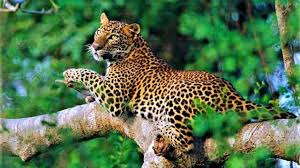
  • πŸ† Sri Lankan leopard (very rare sightings)
  • πŸ¦‡ Several species of bats

Birds

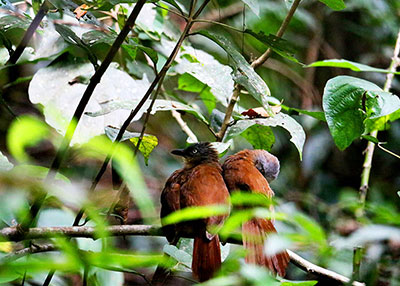
  • 🐦 Sri Lanka blue magpie (endemic)
  • 🐦 Red-faced malkoha (endemic)
  • 🐦 Sri Lanka green pigeon (endemic)
  • 🐦 Ashy-headed laughingthrush (endemic)
  • 🐦 Sri Lanka hanging parrot (endemic)
  • 🐦 Famous mixed-species bird flocks, a key highlight of Sinharaja

Reptiles

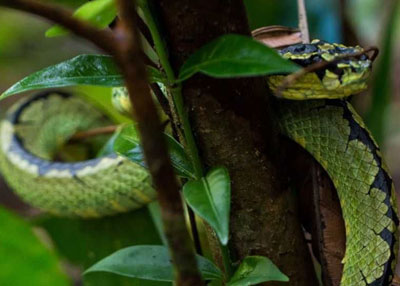
  • 🦎 Green pit viper (endemic)
  • 🦎 Hump-nosed lizard (endemic)
  • 🐍 Cat snake species
  • 🐍 Vine snakes
  • 🦎 Numerous endemic geckos and skinks

Amphibians

  • 🐸 Extremely high diversity of endemic frogs
  • 🐸 Shrub frogs and torrent frogs commonly seen near streams
  • 🐸 Many species found only within Sinharaja and nearby forests

Insects & Invertebrates

  • πŸ¦‹ Large variety of butterflies, including endemic species
  • 🐜 Rich insect life: ants, beetles, dragonflies, stick insects
  • πŸ•·οΈ Spiders and other forest invertebrates abundant

Safari Times & Durations in Sinharaja Rain Forest

Note: Sinharaja does not have jeep safaris. β€œSafari” here means guided rainforest walks.

Morning Session
  • πŸŒ… 6:00 AM – 11:00 AM
  • Best time for birdwatching
  • High chance of seeing mixed-species bird flocks
  • Cooler temperatures and more animal activity
Afternoon Session
  • 🌀️ 1:00 PM – 5:30 PM
  • Good for forest ecology, plants, reptiles, and amphibians
  • Lighting suitable for photography under the canopy
  • Slightly warmer and more humid than mornings
Key Points
  • 🚢 Entry only with a registered guide
  • ⏳ Typical duration: 2–4 hours
  • πŸš™ No jeep safaris or night safaris allowed
  • 🌧️ Walks may be shortened during heavy rain
  • πŸ“Έ Ideal for nature walks, birding, and research, not large mammal sightings

Guided rainforest walks in Sinharaja Rain Forest are on-foot nature explorations conducted with registered forest guides, focusing on understanding the rainforest ecosystem rather than spotting large animals. These walks typically last two to four hours along marked forest trails and allow visitors to observe endemic birds, reptiles, amphibians, insects, and a wide variety of plant species. Guides play a key role in identifying wildlife, explaining forest structure and ecological relationships, and ensuring visitor safety while minimizing disturbance to the fragile environment. Early morning walks are especially popular for birdwatching, including the famous mixed-species bird flocks, making guided walks the primary and most rewarding way to experience Sinharaja.

    Difference between Guided Rainforest Walks & Jeep Safaris

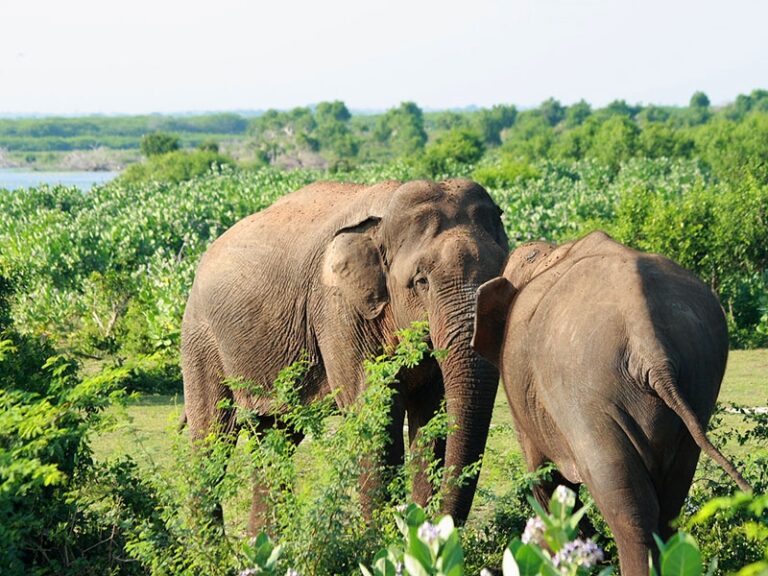
    Guided rainforest walks and jeep safaris offer very different wildlife experiences in Sri Lanka. Guided walks, such as those in Sinharaja Rain Forest, are slow, on-foot explorations that focus on understanding the ecosystem in detail, allowing visitors to observe endemic plants, birds, reptiles, amphibians, and insects while learning from a knowledgeable guide. In contrast, jeep safaris in other national parks cover larger areas in a shorter time and are mainly designed for spotting large mammals like elephants, leopards, and deer in open landscapes. While guided walks provide an immersive, educational, and quiet nature experience, jeep safaris offer a more observational and photography-oriented adventure, making each suitable for different types of nature enthusiasts.

    Sinharaja Rain Forest Entrances

    Kudawa/Kalawana Entrance (Main)

    The Kudawa entrance, located near Kalawana in the Ratnapura District, is the most commonly used access point to Sinharaja Rain Forest. It is the best-developed entrance, with visitor facilities and well-established trails, making it suitable for first-time visitors, students, and birdwatchers. Most guided rainforest walks from Kudawa focus on forest ecology, endemic flora, and mixed-species bird flocks.

    Pitadeniya Entrance (Kurulugala)

    The Pitadeniya entrance lies on the Rakwana side of the forest and offers a quieter, less crowded experience compared to Kudawa. This entrance is popular among nature lovers who prefer calm surroundings and extended guided walks through scenic village landscapes and dense forest sections. It provides good opportunities for birdwatching and observing reptiles and amphibians.

    Morning sideΒ (Deniyaya) Entrance

    The Morning Side entrance, near Deniyaya in the Matara District, is the most remote and least visited of the main access points. It gives access to relatively undisturbed forest areas and is often favored by researchers and serious eco-tourists. Guided walks from this entrance emphasize pristine rainforest conditions, watershed areas, and deeper forest biodiversity.

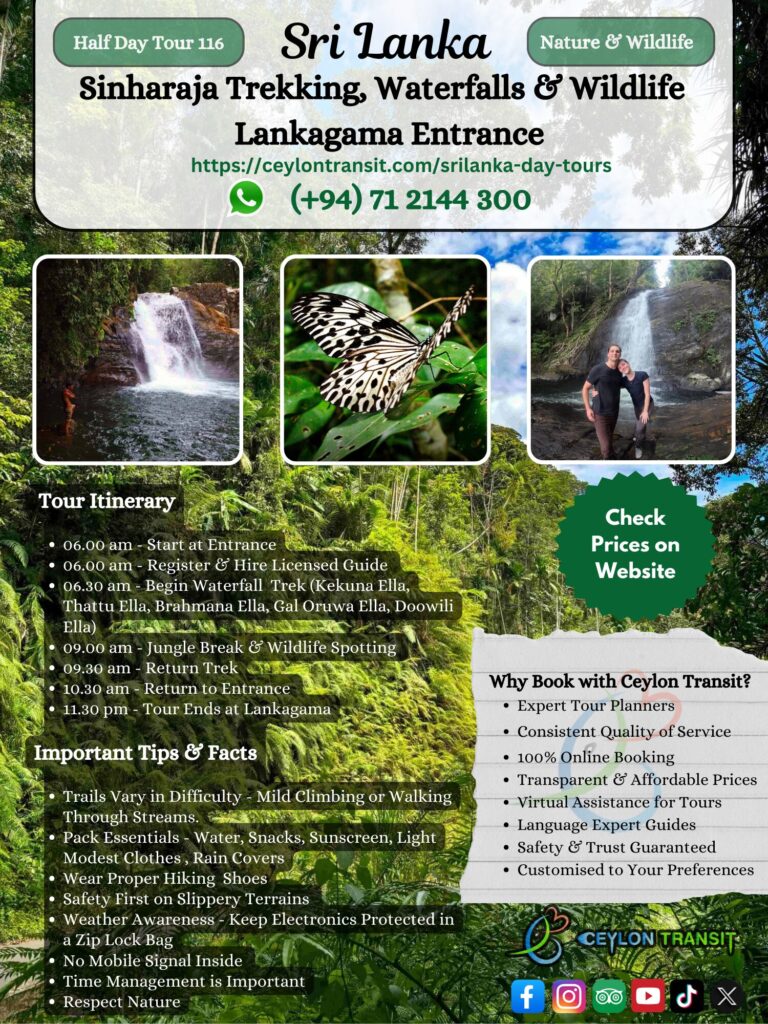
    Lankagama Entrance

    Lankagama Entrance is located on the Deniyaya–Lankagama side and is mainly used by researchers, experienced nature enthusiasts, and visitors staying in nearby villages or eco-lodges. Access roads are more rural and sometimes challenging, especially during rainy periods. Guided rainforest walks from Lankagama focus on relatively quiet forest sections, streams, and intact lowland rainforest ecology rather than popular tourist trails.

    Wathugala Entrance

    Wathugala Entrance is a small, lesser-known access point on the Rakwana–Kalawana side. It is rarely used by general tourists and is mostly suitable for local researchers, conservation-related visits, or specialized guided walks. Facilities here are minimal, and prior arrangement with forest authorities and a registered guide is essential.

    How to Get to Sinharaja Rain Forest Entrances

    From Ratnapura πŸ“

    Via Kudawa (Kalawana side – most popular route):Β  Travel to Ratnapura and, then continue to Kalawana. From Kalawana town, Kudawa village is about 20–25 km away, reachable by tuk-tuk, taxi, or private vehicle. This is the easiest and most commonly used route, especially for first-time visitors.

    From Rakwana πŸ“

    Via Pitadeniya / Kurulugala (Rakwana side): From Rakwana, proceed to Pitadeniya (Kurulugala) village using local roads. This route is quieter and preferred by visitors seeking fewer crowds.

    From Matara πŸ“

    Via Morningside (Deniyaya side): Travel south to Matara, then continue to Deniyaya. From Deniyaya town, the road leads to the Morningside Entrance, which provides access to more remote and less-visited forest areas.

    Travel Tips for Sinharaja Rain Forest​

    • Booking: Entry is allowed only with a registered forest guide; guided walks must be booked in advance. Eco-lodges and guesthouses near Kudawa, Pitadeniya, and Morningside entrances can be booked ahead for overnight stays.

    • Food & Resting: Carry water to stay hydrated during walks. There are no food facilities inside the forest, so pack light snacks if needed. Resting areas are usually outside the forest or near the entrance points.

    • Dress: Wear lightweight, breathable long-sleeved shirts and pants to protect against insects and thorns. Comfortable walking shoes or hiking boots are essential for muddy and uneven trails. Carry rain gear, such as a raincoat or poncho, due to sudden showers.

    • Guidance: All walks must be conducted with a registered guide; unsupervised entry is prohibited. Guides provide ecological interpretation, help spot wildlife, and ensure visitor safety. Follow your guide’s instructions carefully to minimize impact on the fragile forest ecosystem. Guides can also recommend trails based on your interests, such as birding, photography, or research.

    • Important Facts: Stay on marked trails and avoid touching or collecting plants. Maintain silence to increase wildlife sightings. Carry binoculars and a camera; avoid using flash photography. Early morning walks are best for birdwatching; afternoons are ideal for observing plants, insects, and amphibians.

    • Best visiting months: January–April and August–September for relatively drier conditions.

    Comparison to other Sri Lankan National Parks

    Reaching Sinharaja Rain Forest is generally more time-consuming and indirect compared to most other Sri Lankan national parks. Access to Sinharaja involves traveling to nearby towns such as Kalawana, Rakwana, or Deniyaya and then continuing along narrow, winding village roads to forest entrances like Kudawa, Pitadeniya (Kurulugala), or Morningside, with the final stretch often done by tuk-tuk or local vehicle. In contrast, national parks such as Yala, Udawalawe, Wilpattu, and Minneriya are much easier to reach, with well-developed roads leading directly from nearby towns to park gates designed for jeep safaris. Horton Plains is also directly accessible by road, though mountain terrain and cooler climate are the main challenges. Overall, Sinharaja feels more remote and expedition-like, reflecting its status as a strictly protected rainforest, while other national parks are more visitor-friendly and oriented toward vehicle-based safaris.

    Sinharaja vs Horton Plains

    Sinharaja Rain Forest is a lowland tropical rainforest accessed through towns like Kalawana or Deniyaya, with entry allowed only through guided, on-foot rainforest walks. The experience is immersive and educational, focusing on dense forest ecology, endemic birds, reptiles, amphibians, insects, and plant diversity. Travel to Sinharaja involves narrow rural roads and feels remote, reinforcing its role as a strictly protected nature reserve.

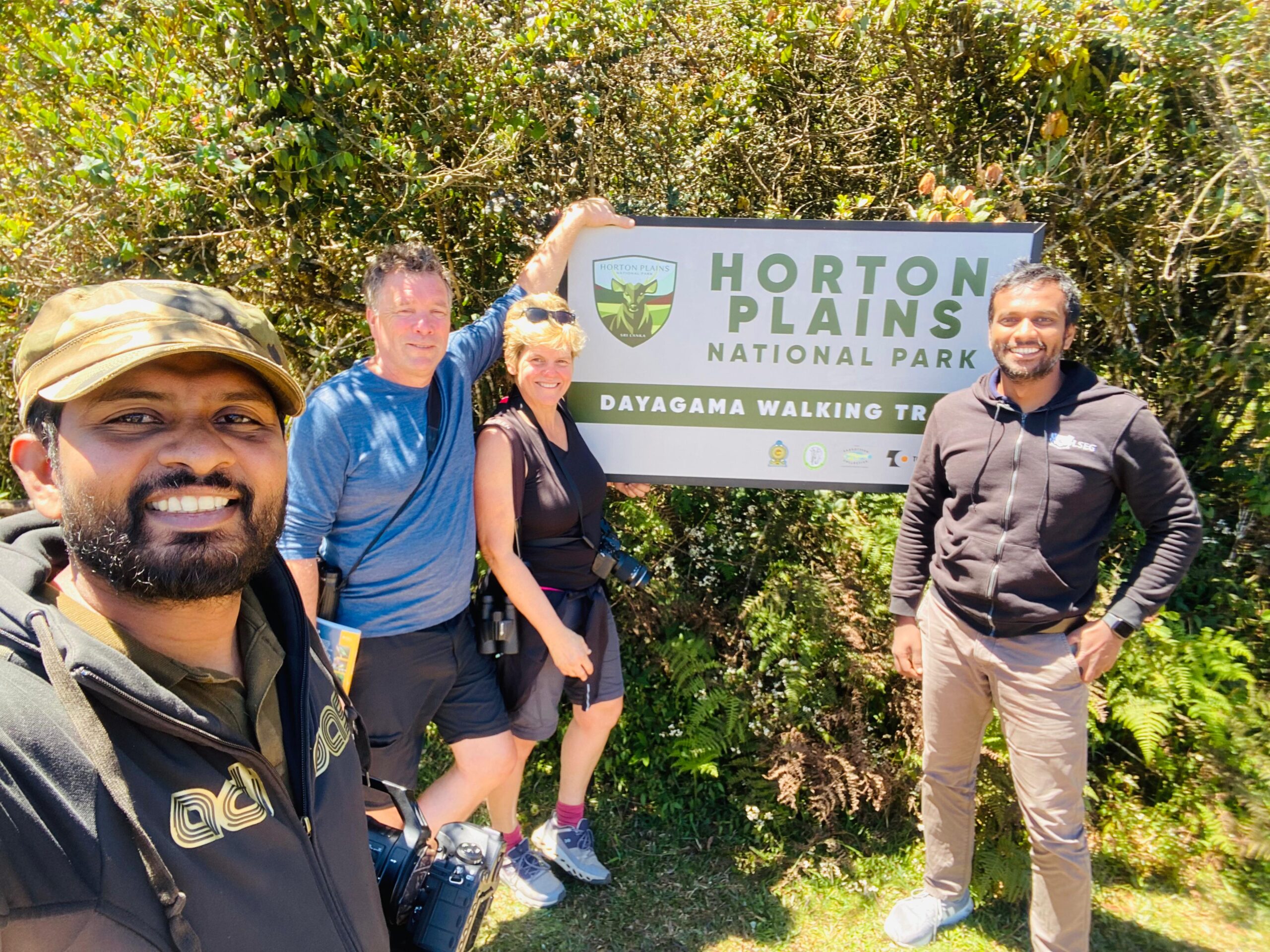
    In contrast, Horton Plains National Park is a high-altitude montane park reached easily via Nuwara Eliya or Ohiya, with good road access to a single main entrance. Visitors explore Horton Plains on self-guided walking trails, with no compulsory guide, and the landscape is open, featuring grasslands, cloud forests, waterfalls, and viewpoints such as World’s End. Wildlife sightings are generally limited to smaller mammals and birds, but the scenic views and cool climate are the main highlights.

    In summary, Sinharaja offers a dense, guided rainforest experience with extreme biodiversity, while Horton Plains provides a scenic, open, self-guided hiking experience at high elevation, making both complementary rather than competing destinations.

    Other Experiences around Sinharaja rain forest

    Experience Important Facts
    Waterfall Visits Explore nearby cascades like Martin’s Falls, Lanka Ella Falls, and tributaries around Bambarakanda; suitable for short treks and photography.
    Tea Plantations Visit Deniyaya and Rakwana estates to learn about tea production and enjoy scenic views of rolling hills.
    Birdwatching Tours Lowland wet-zone forests around Kalawana and Deniyaya offer excellent opportunities to spot endemic and migratory birds.
    Hiking & Nature Trails Trails along Kukuleganga River, Mederipitiya village, and surrounding hills; mild treks with rich biodiversity.
    Village Visits Experience traditional rural life in Kudawa, Pitadeniya, and Deniyaya villages; meet locals and learn about culture.
    Local Handicrafts & Food Sample traditional Sri Lankan cuisine and purchase handicrafts made from bamboo, wood, and other forest resources.
    Tea Factory Tours Participate in guided tours of small tea factories in Rakwana and Deniyaya to understand local production.
    Photography & Nature Study Dense canopy, endemic birds, insects, and plant diversity make it ideal for photography and ecological research.
    Educational Tours Guided learning walks focusing on medicinal plants, forest ecology, and conservation awareness.
    Forest Bathing / Meditation Tranquil forest environment perfect for mindful walks, meditation, and eco-retreat-style relaxation.
    Relaxation at Lodges Eco-lodges near entrances offer peaceful forest views, proximity to streams and waterfalls, and natural forest sounds.

    Our Blog

    Be a Part of Our Exclusive Memories

    What Our Customers Say

    Ceylon Transit