
Your Gateway to the Nature's Finest Moments...

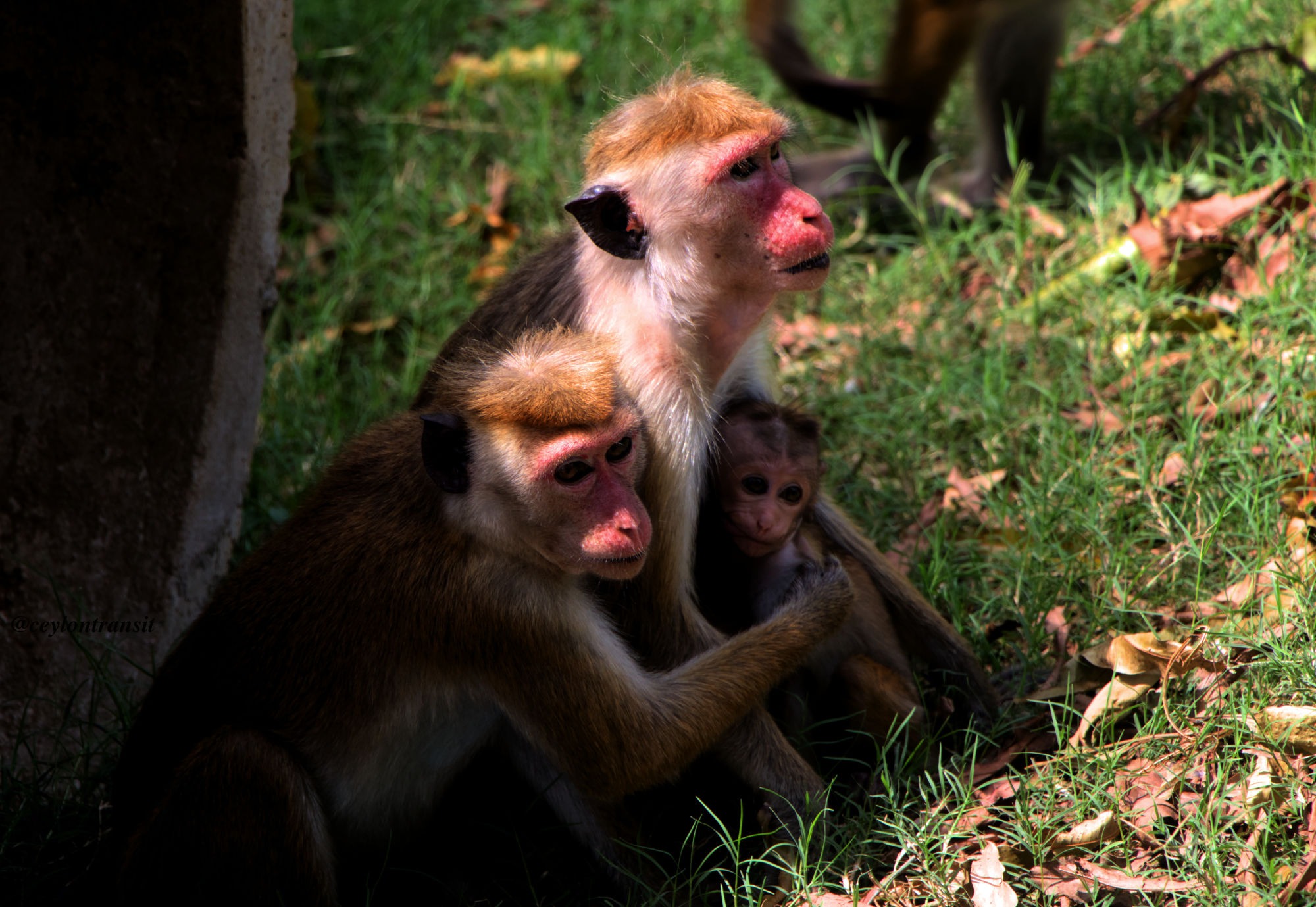
Family of monkeys in Yala National Park, Sri Lanka
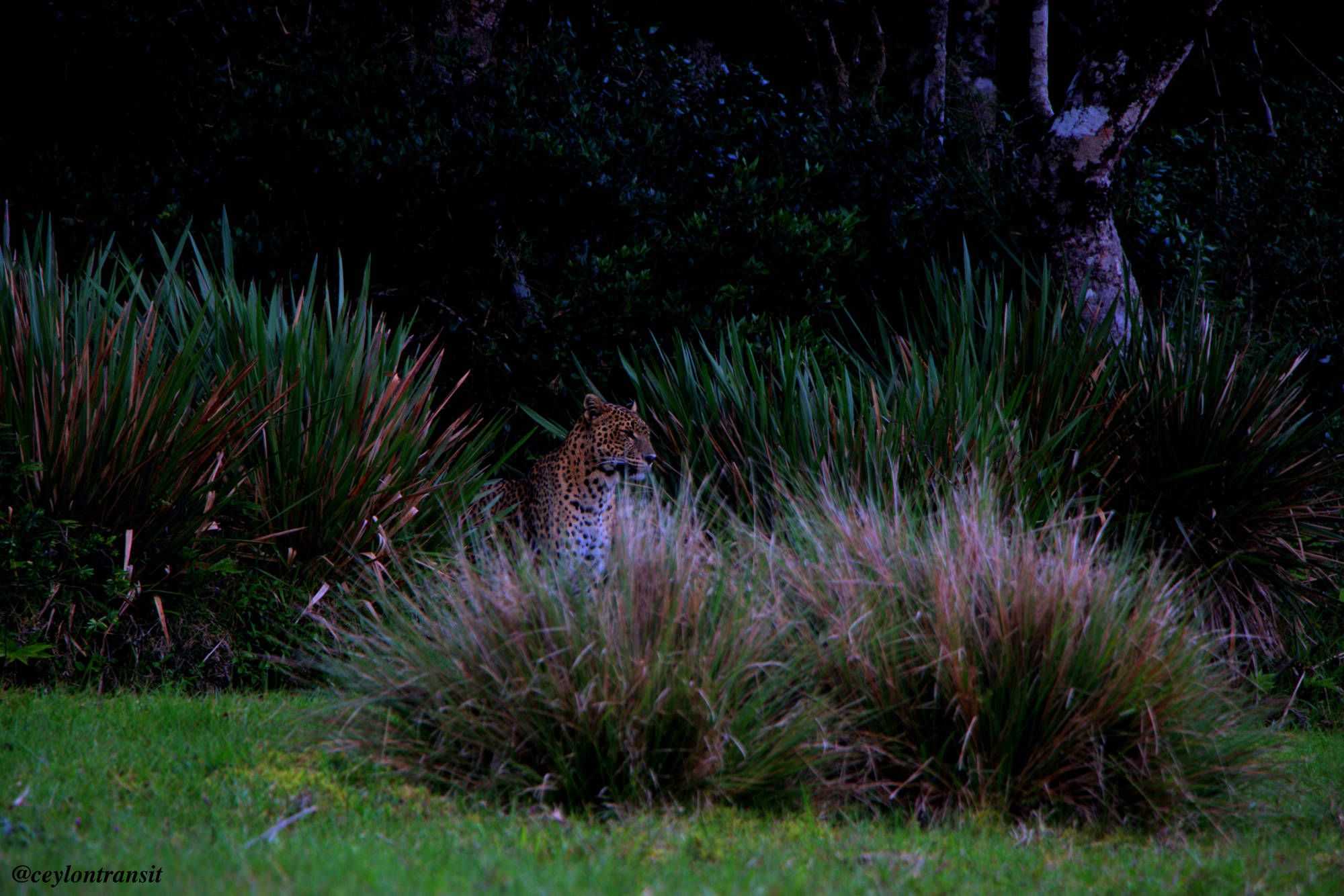
Famous mother leopard HPF04 in Horton Plains, Sri Lanka
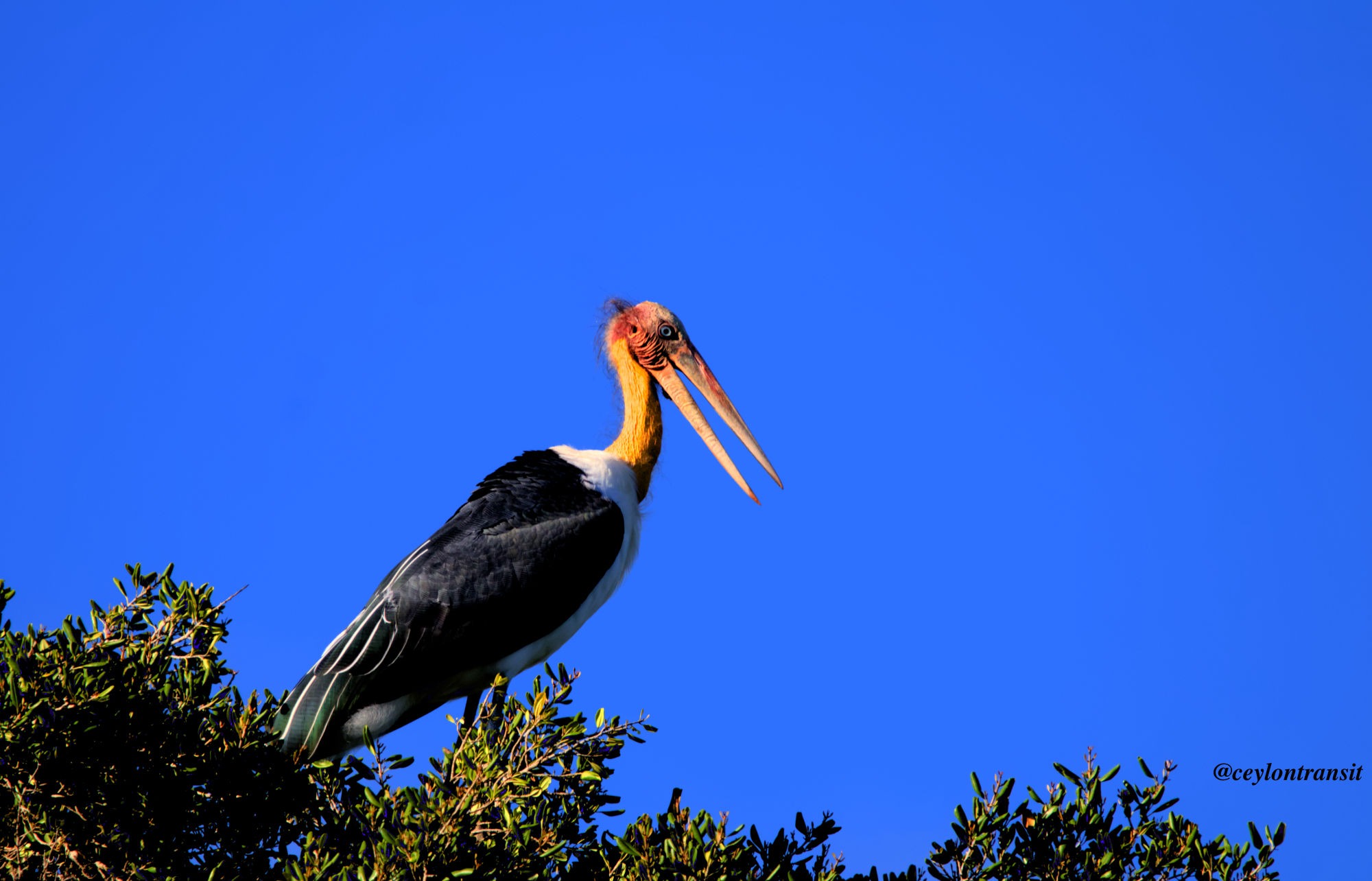
Large Lesser Adjutant Stork, Yala National Park, Sri Lanka
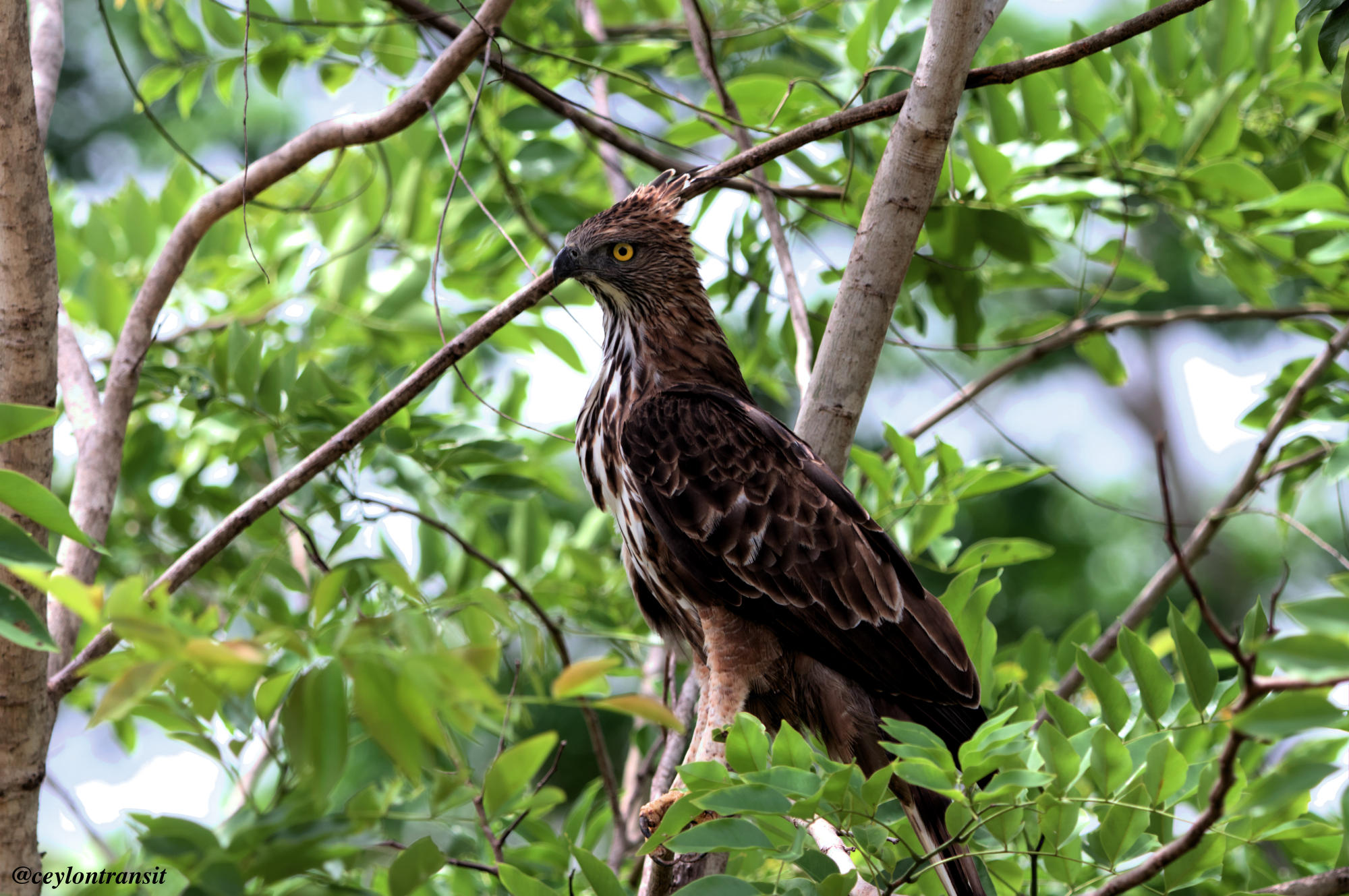
Changeable hawk-eagle in Yala National Park, Sri Lanka
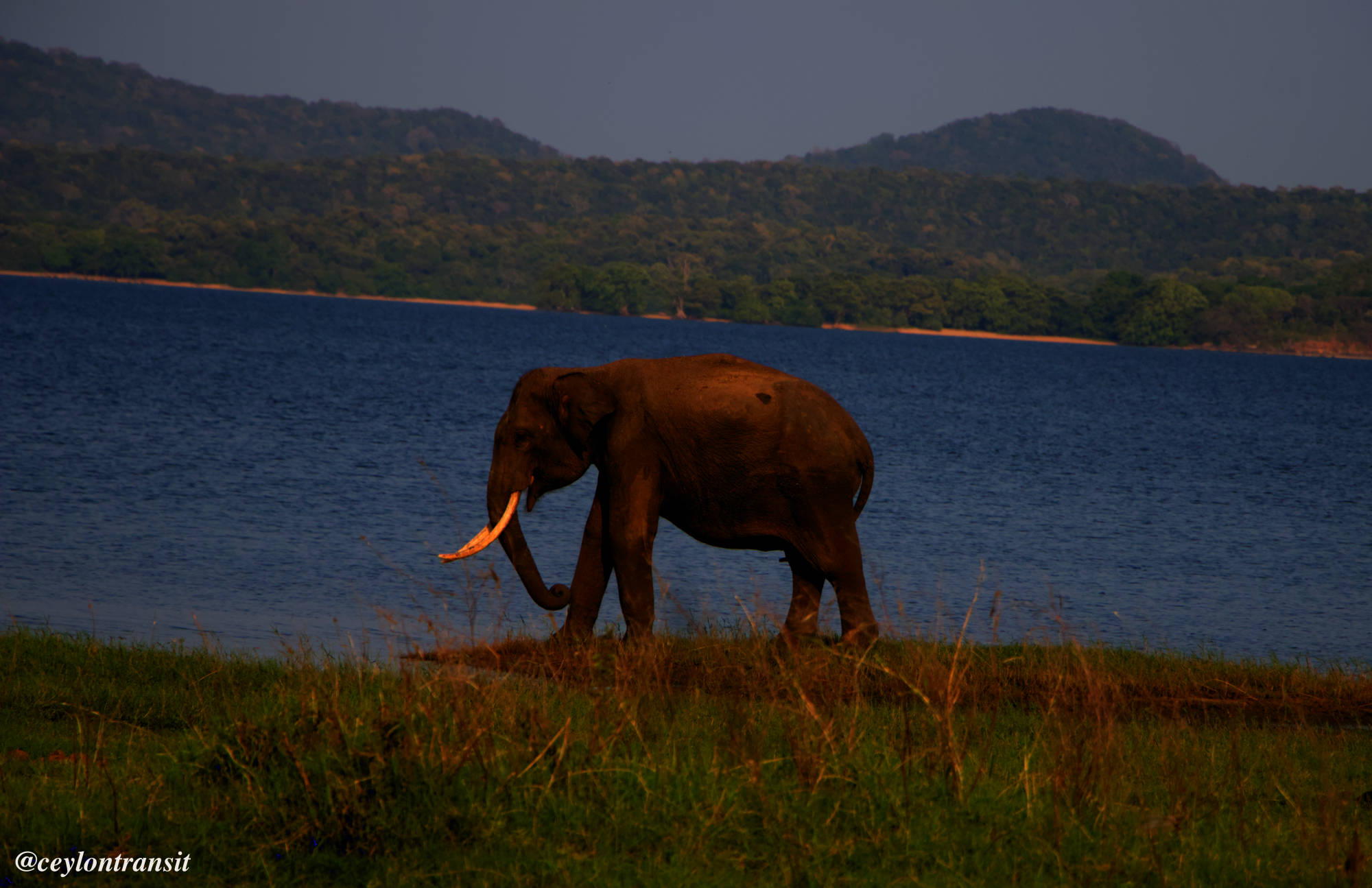
Young tusker near Minneriya National Park, Sri Lanka
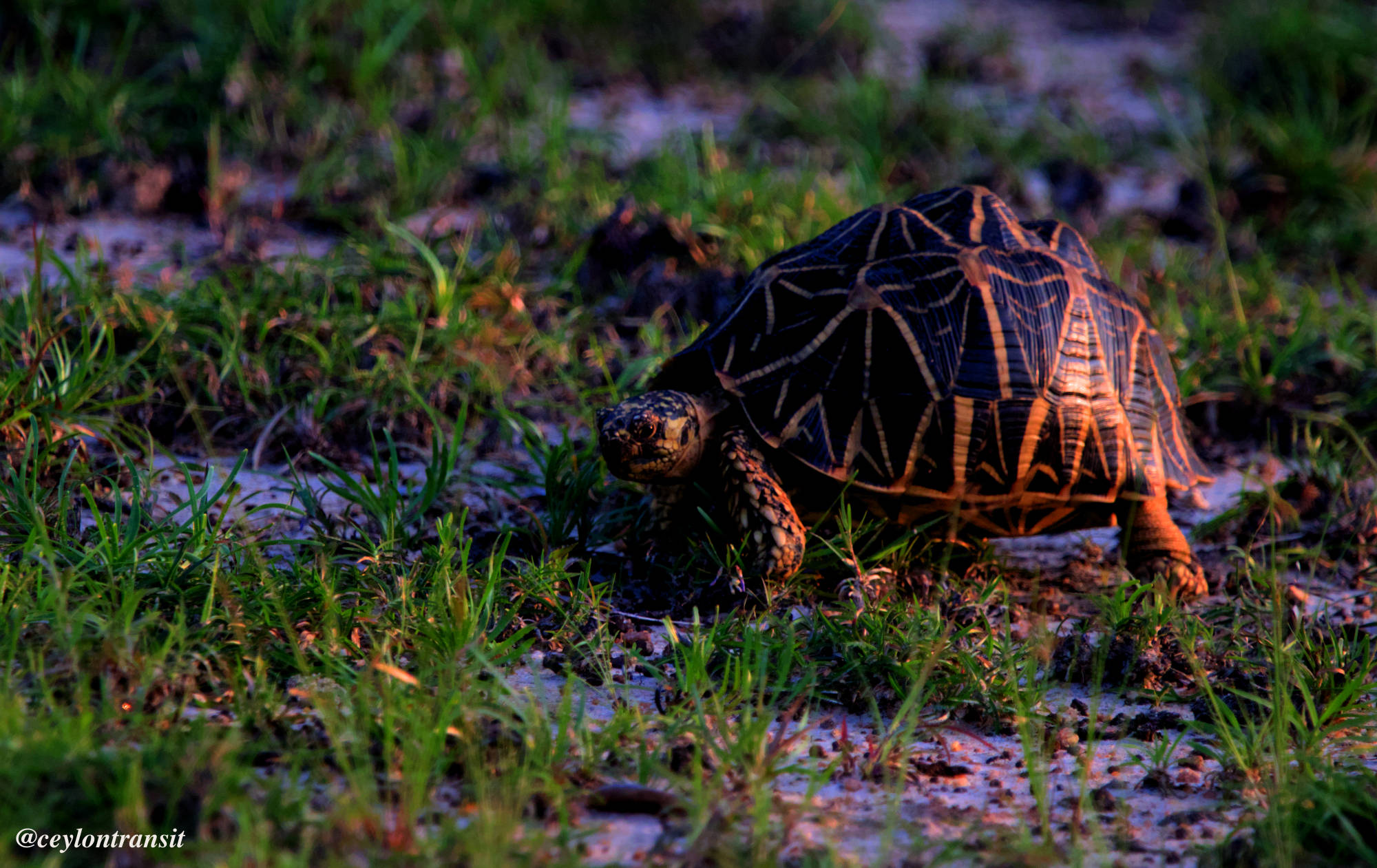
A star tortoise is walking in Wilpattu National Park, Sri Lanka
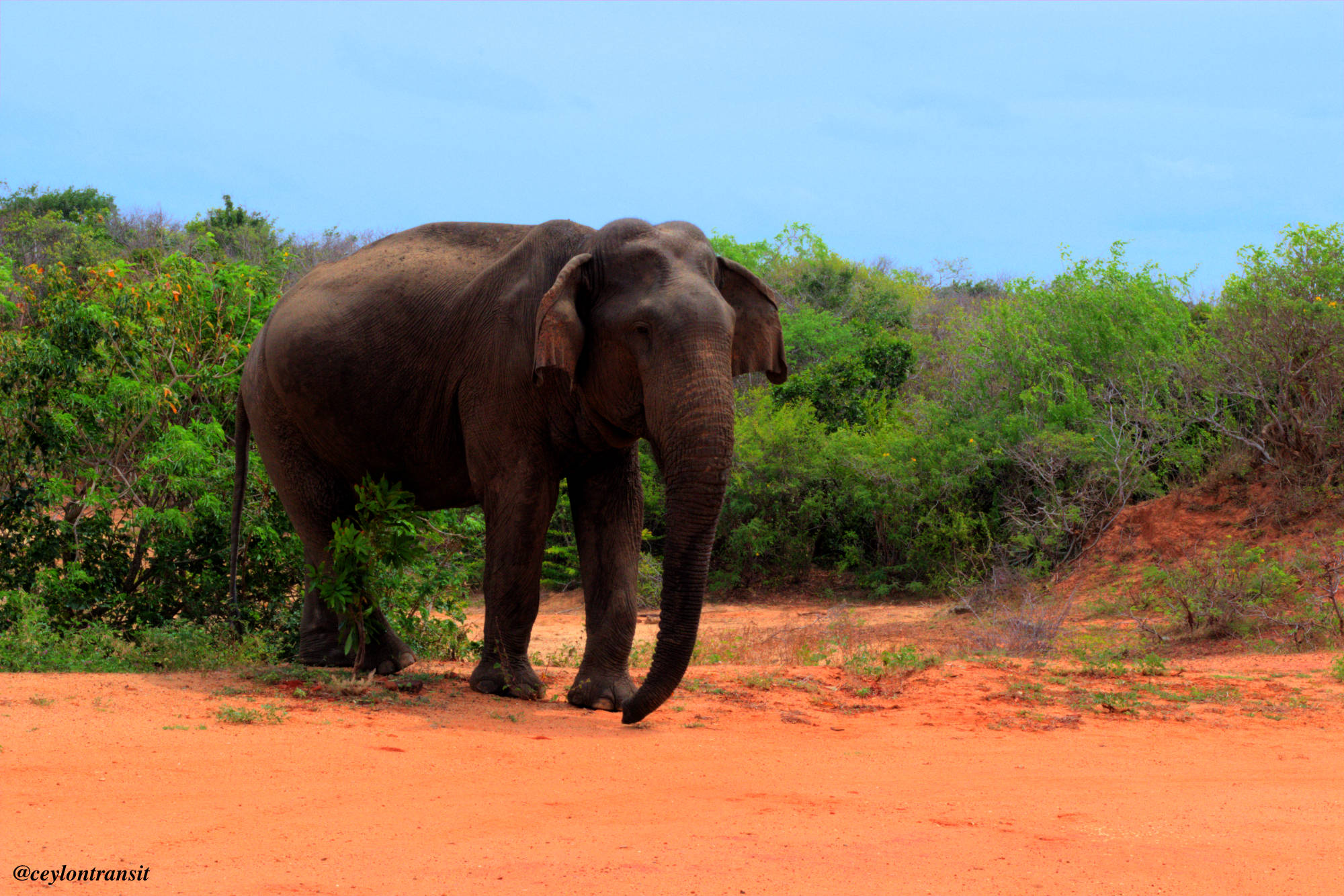
Elephant in front of New Buthawa wildlife bangalow, Yala, Sri Lanka
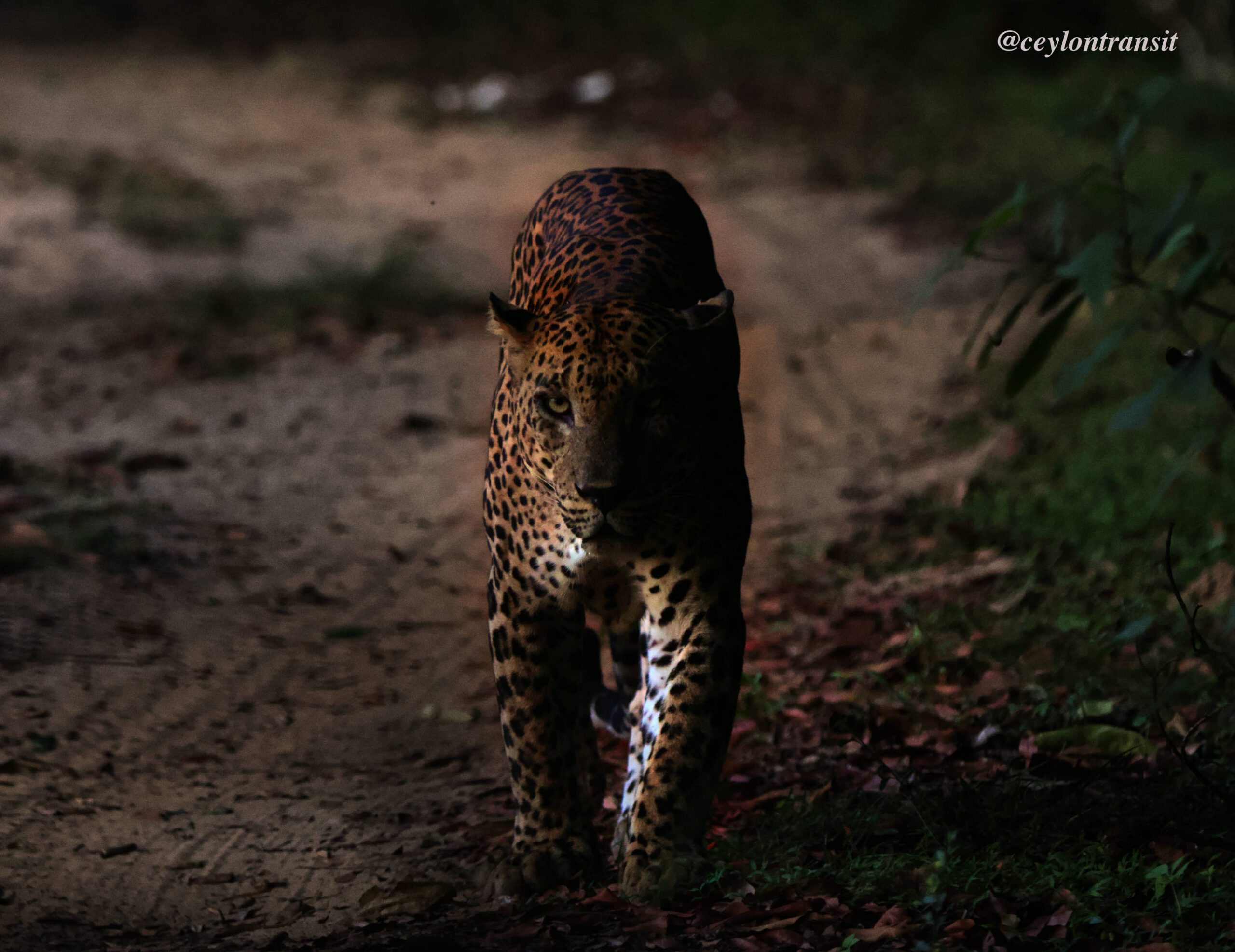
Neluma, the Big Boy of Wilpattu National Park
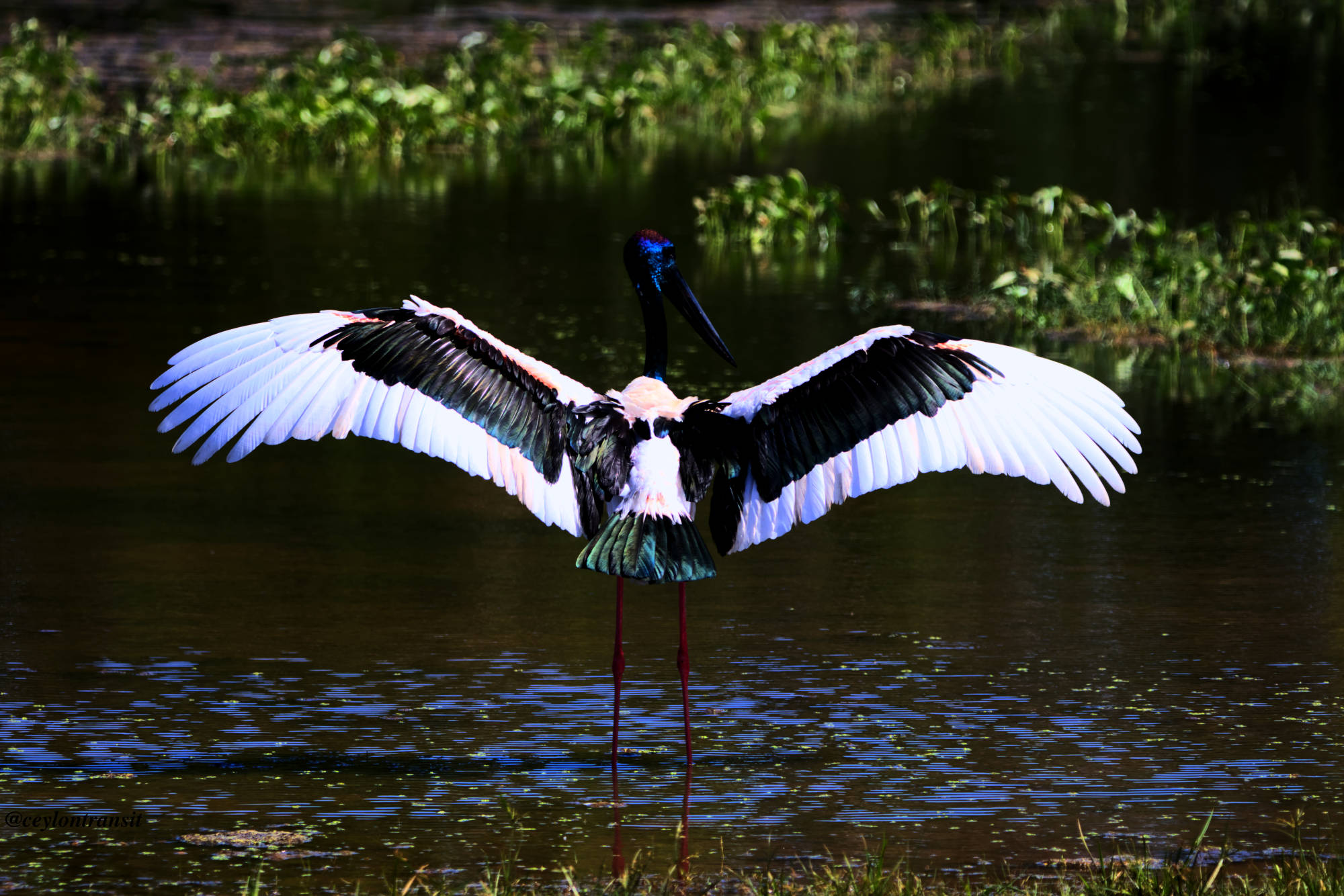
Rare black necked stork in Yala National Park, Sri Lanka
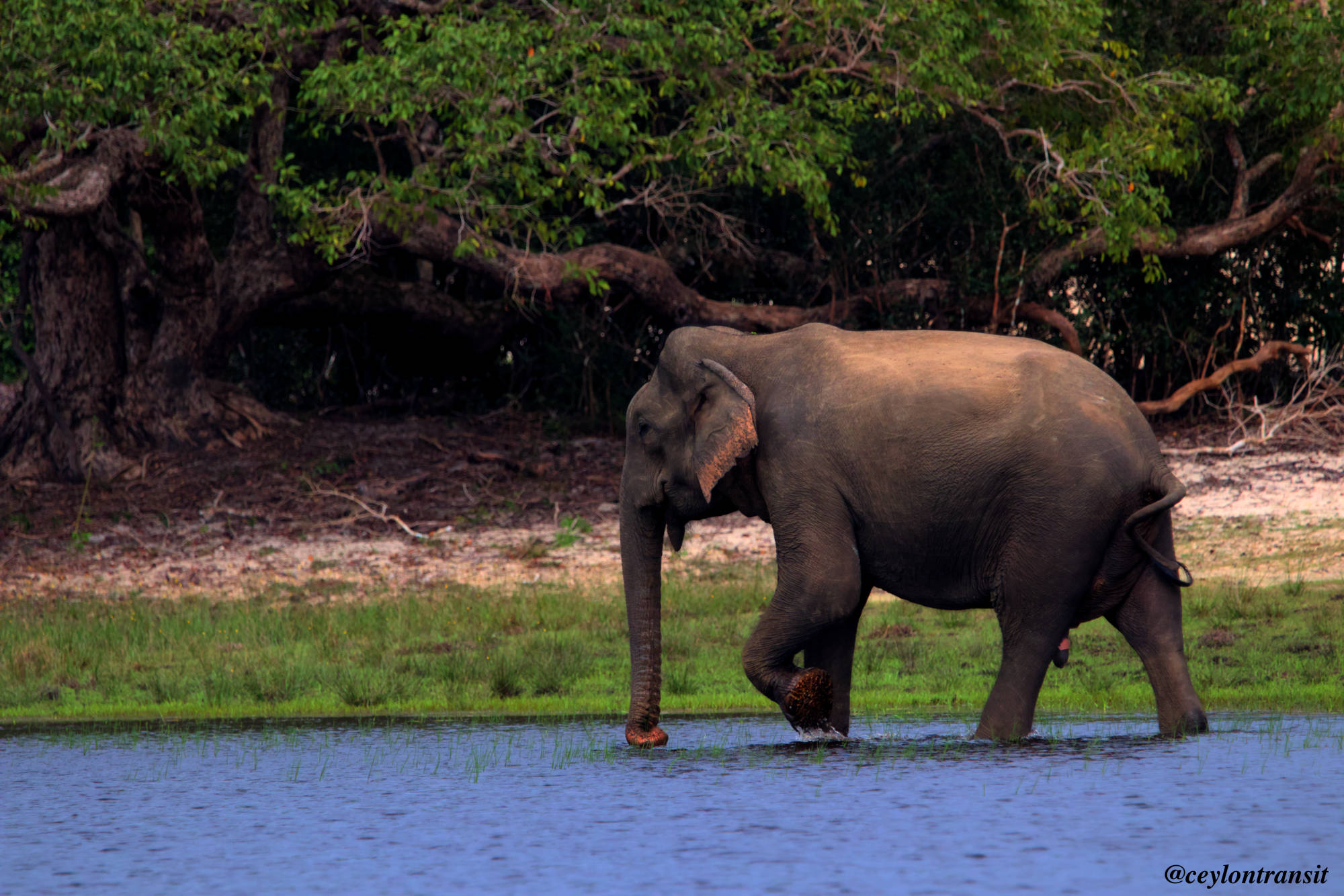
Lone male elephant crossing the lake, Wilpattu National Park, Sri Lanka
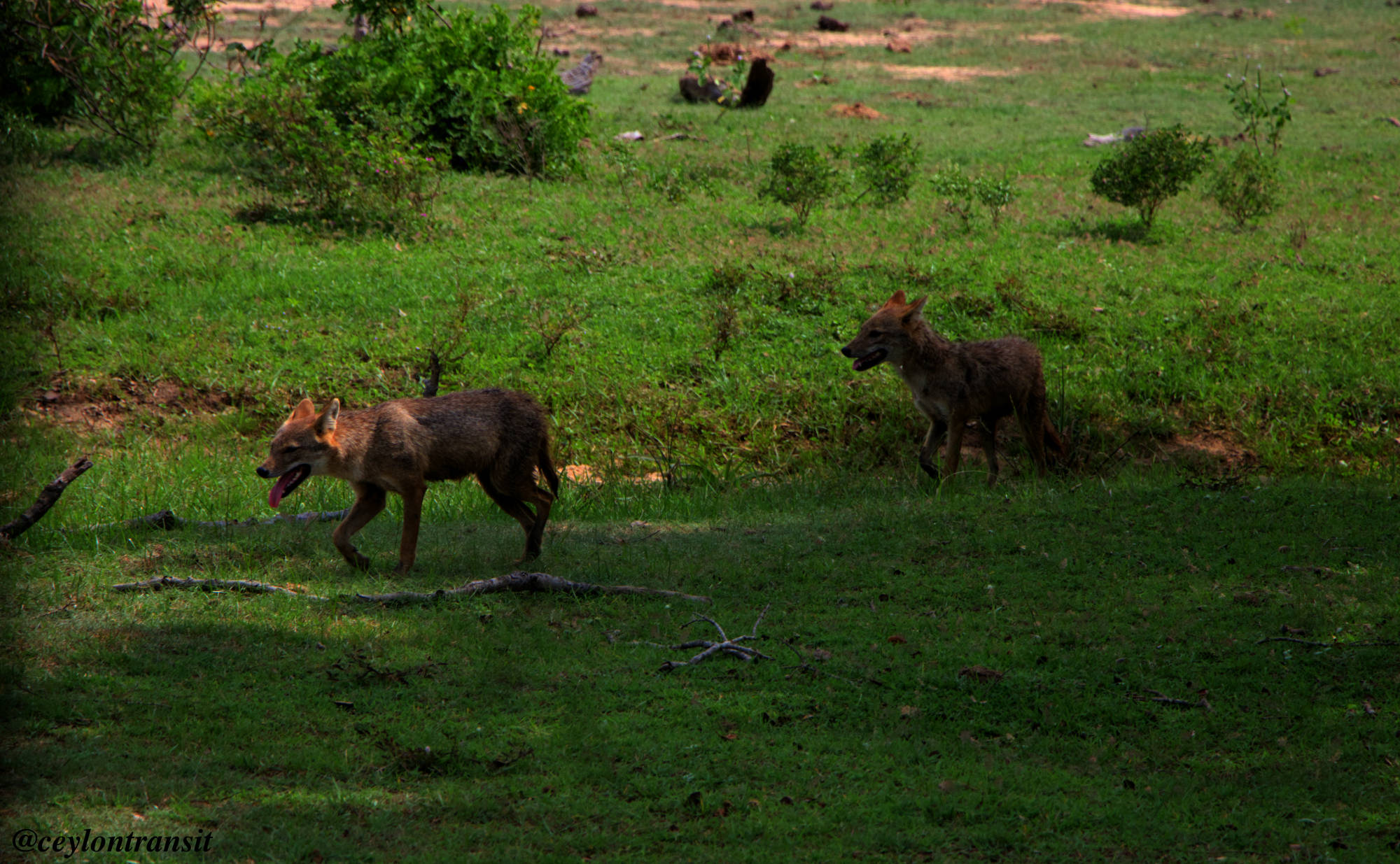
Pack of Sri Lankan jackals in Yala National Park, Sri Lanka
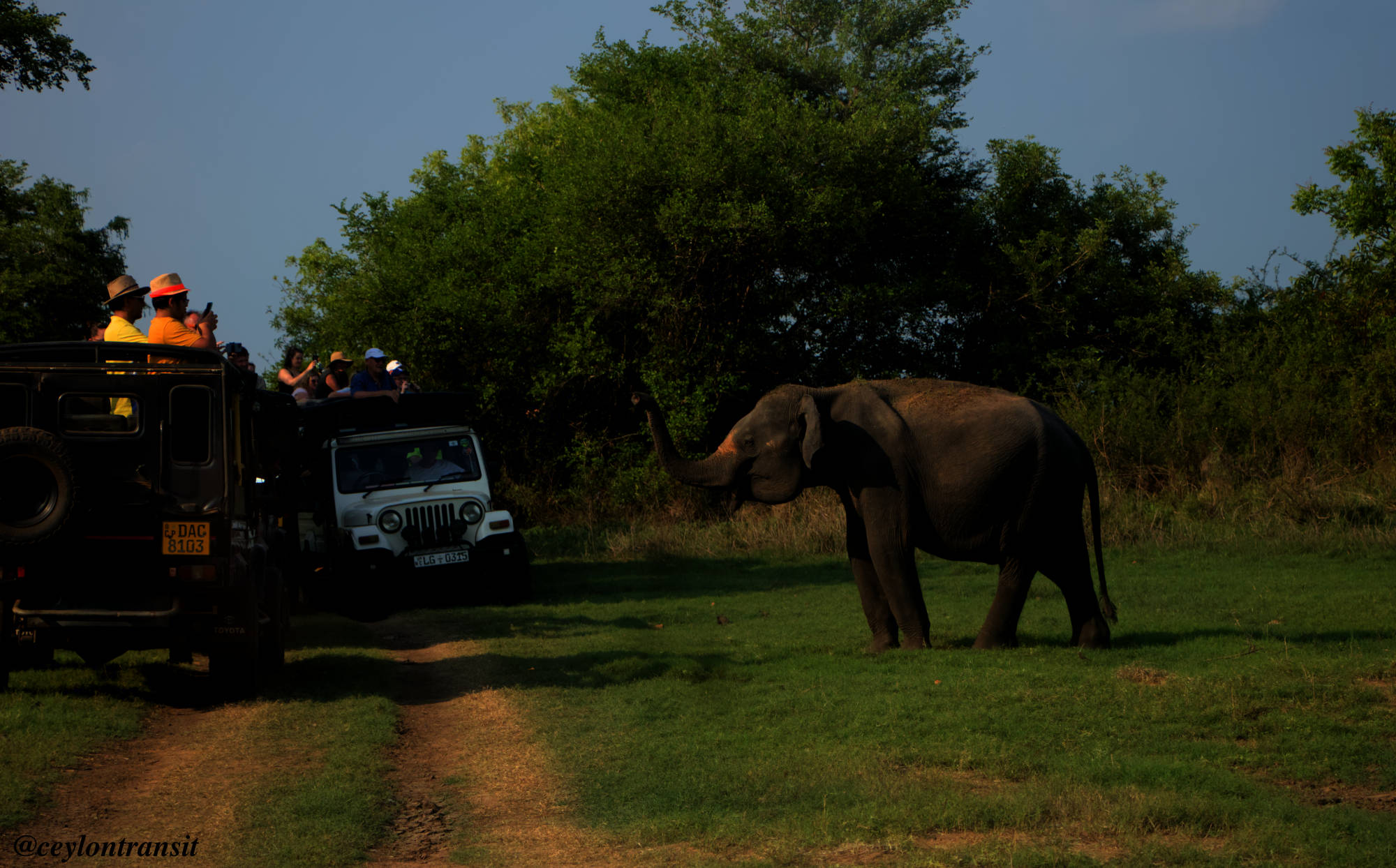
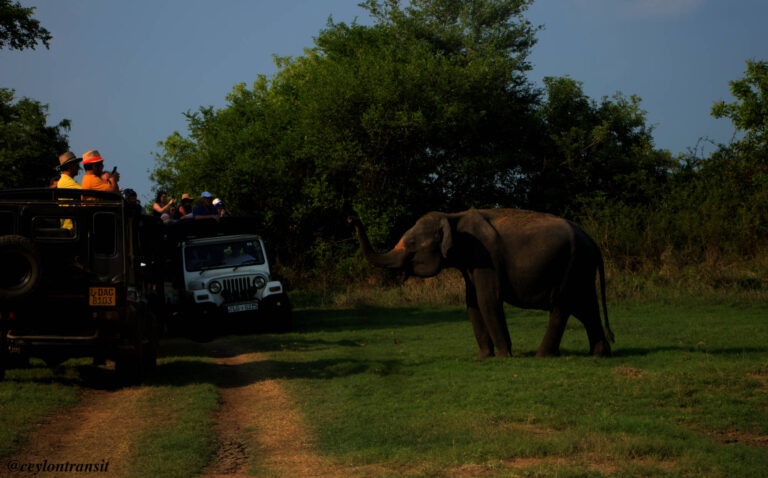
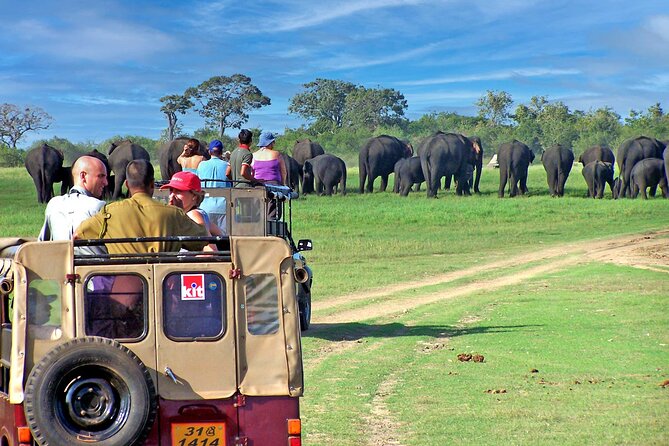
Elephant welcomes a group of tourists at Minneriya National Park, Sri Lanka
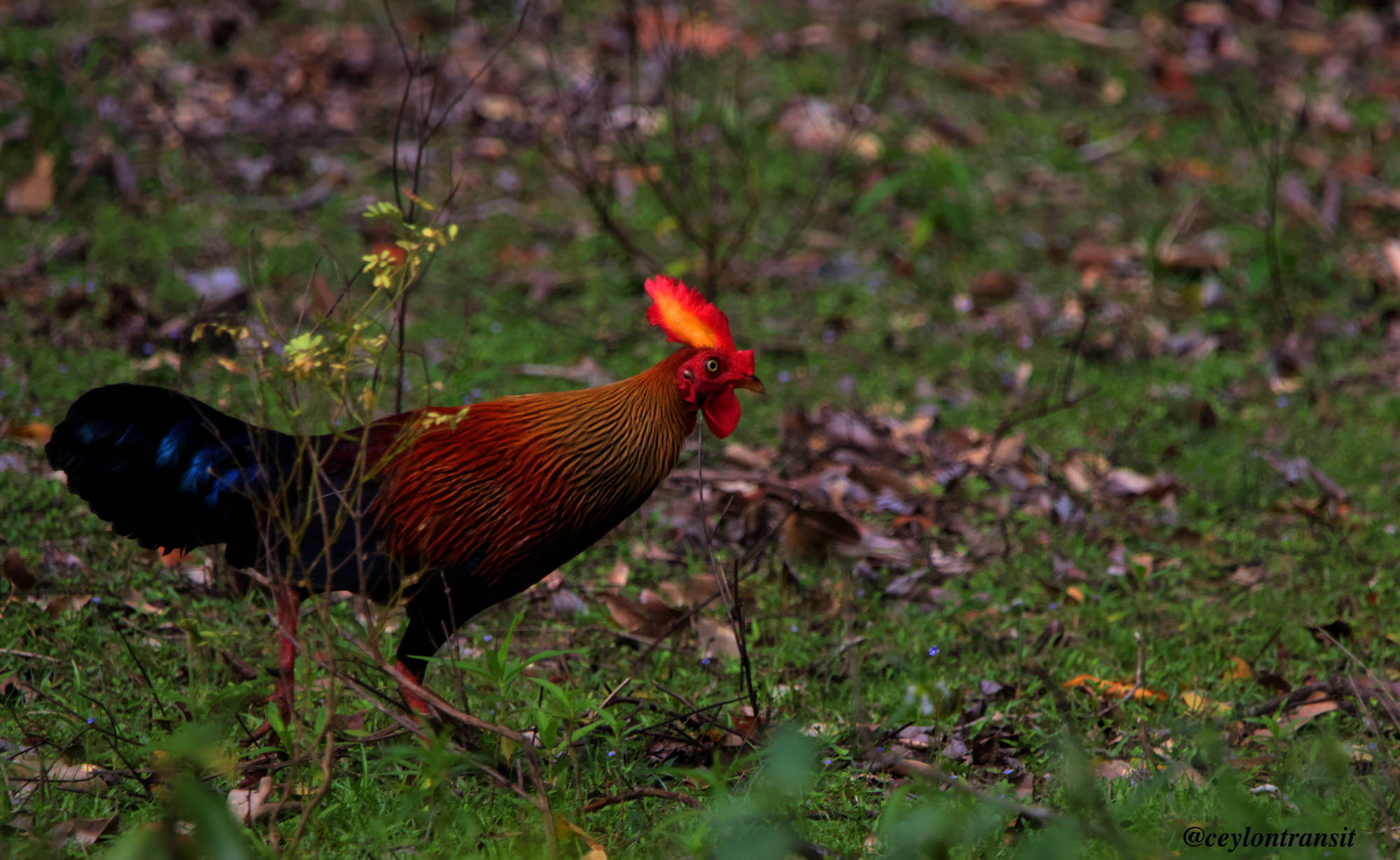
Sri Lankan junglefowl is the national bird in Sri Lanka
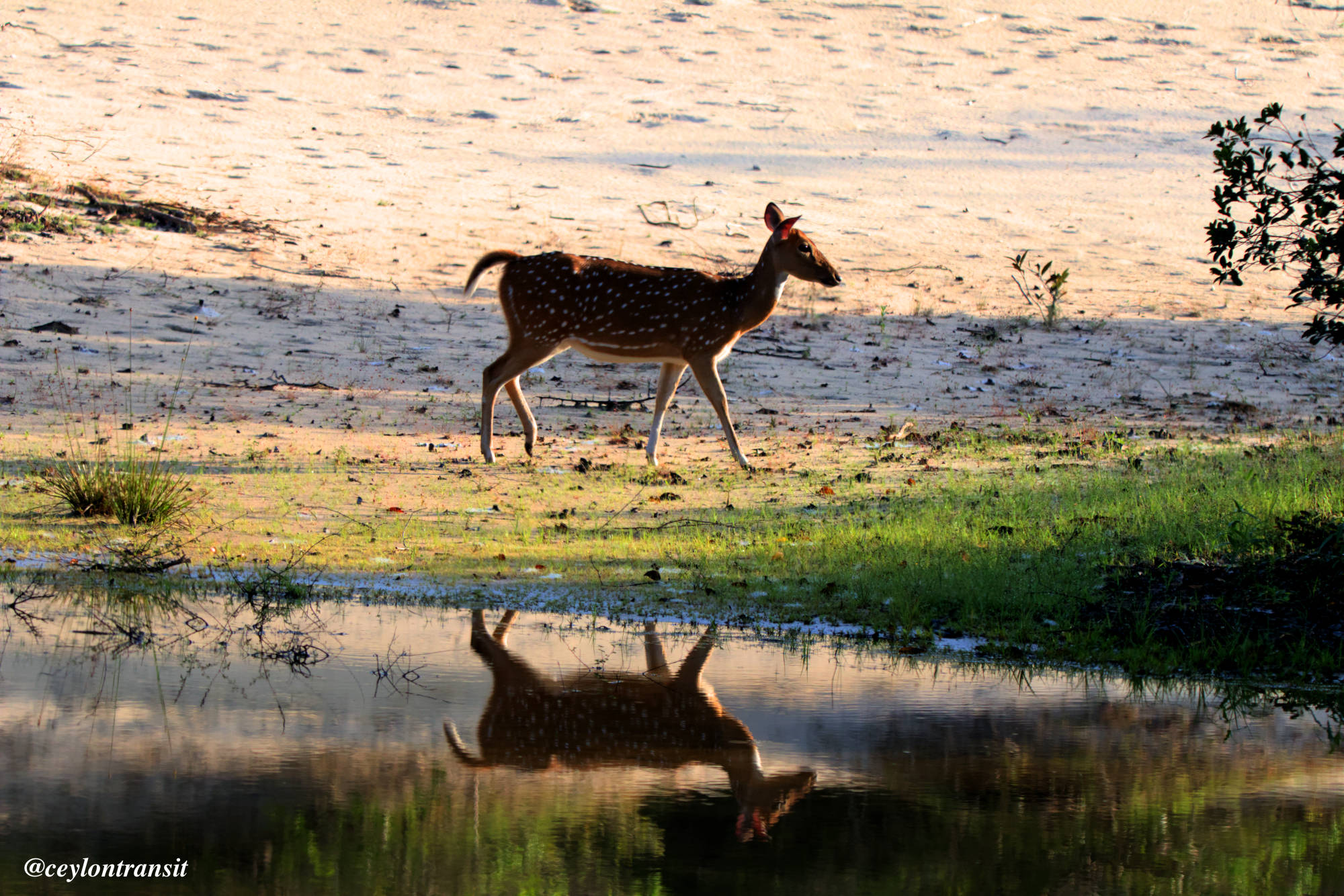
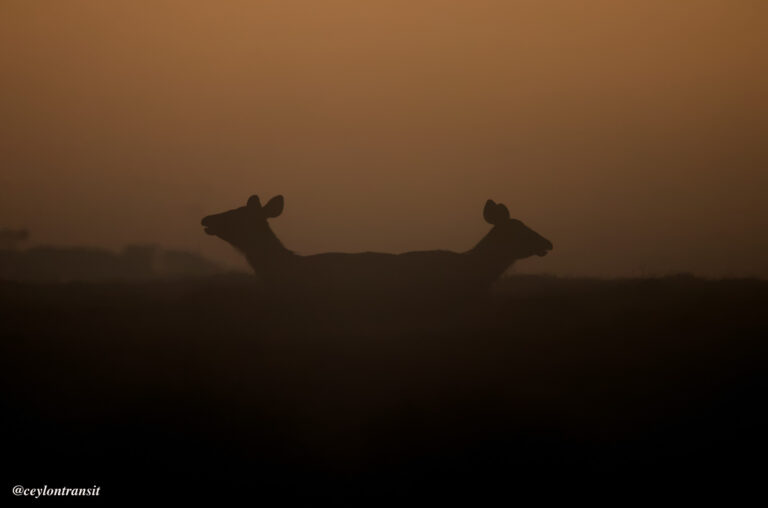
Spotted dears are common around lakes in Wilpattu NP, Sri Lanka
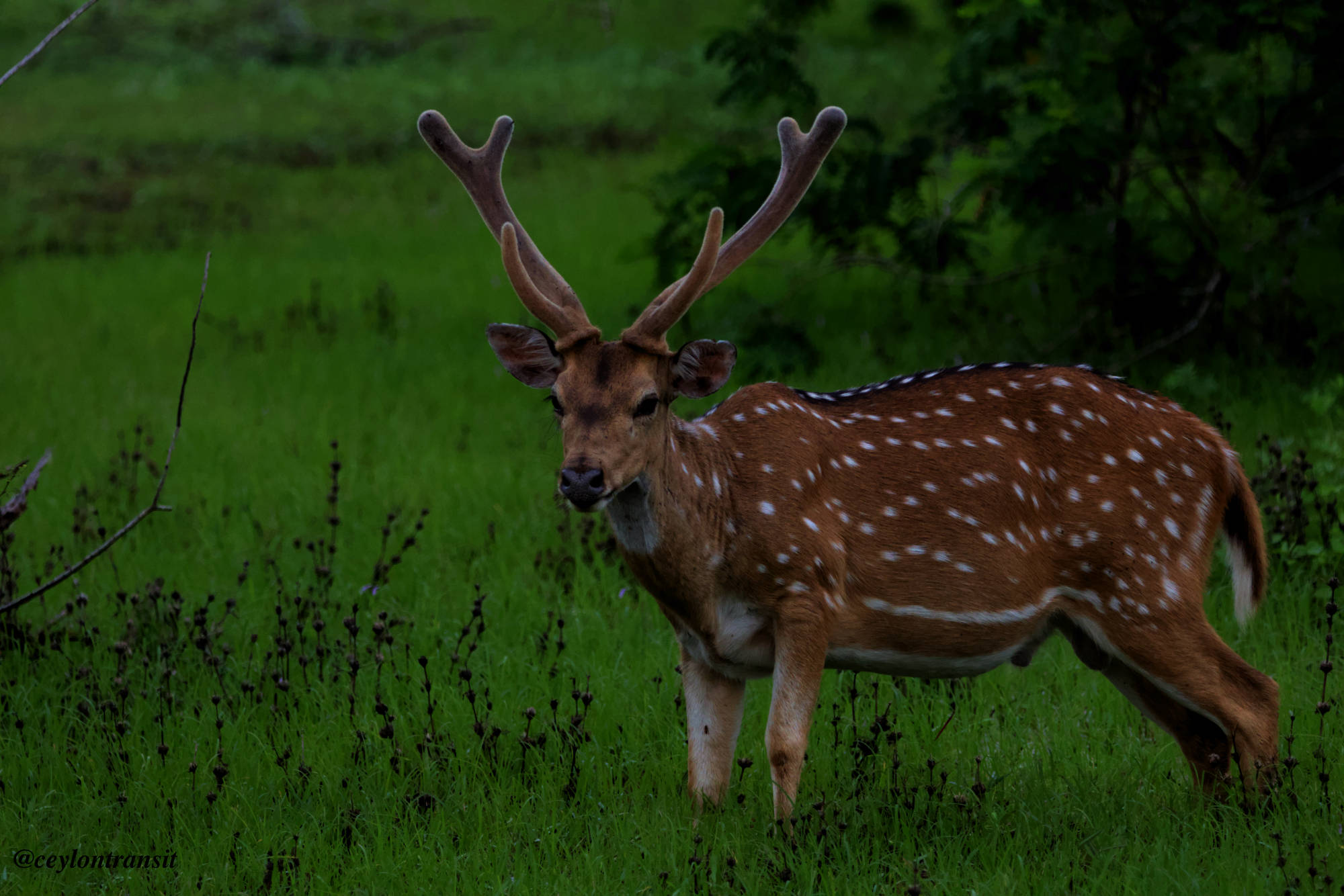
Spotted deers are abundant in Sri Lankan National Parks
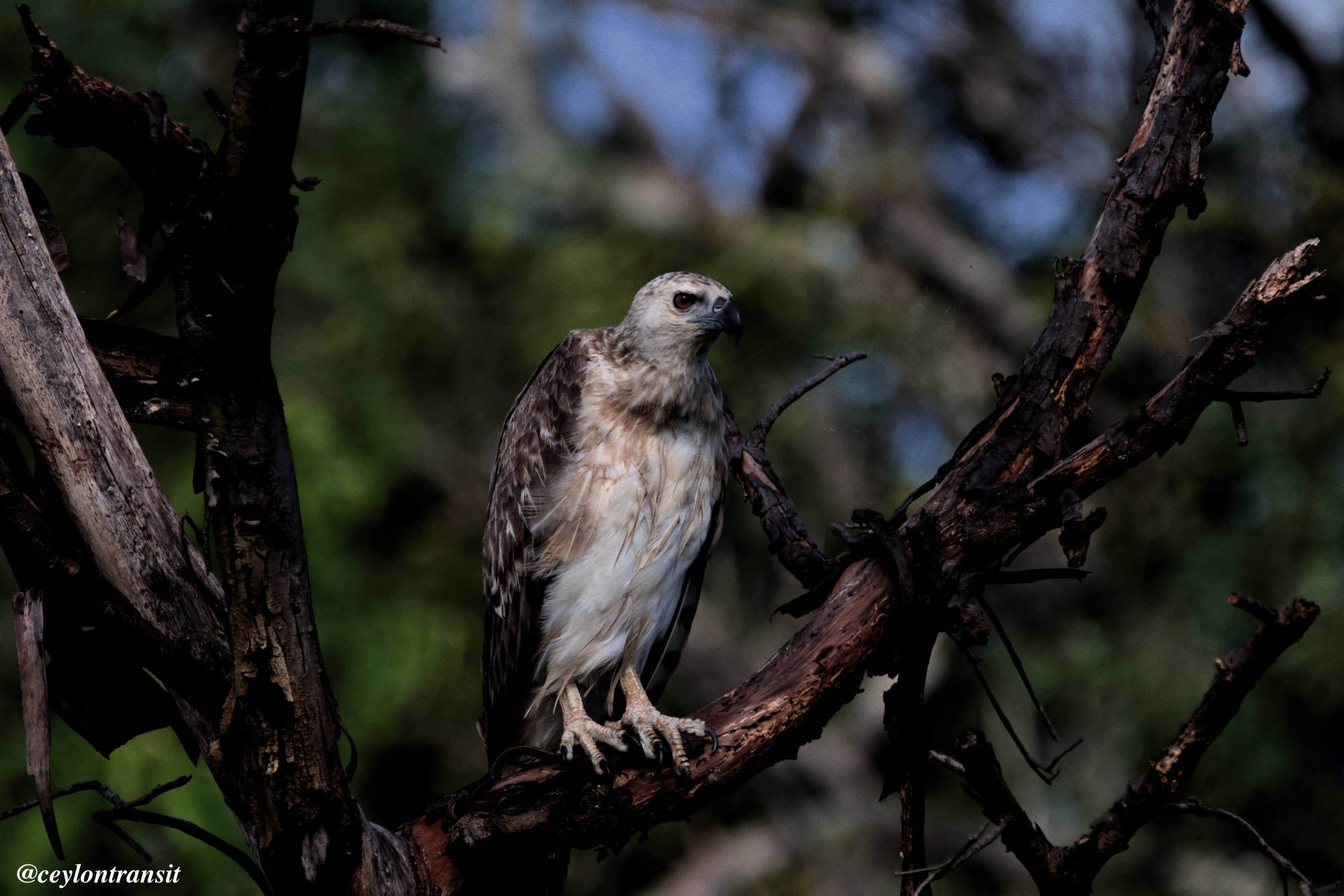
Changeable hawk-eagle in Yala NP, Block V, Sri Lanka
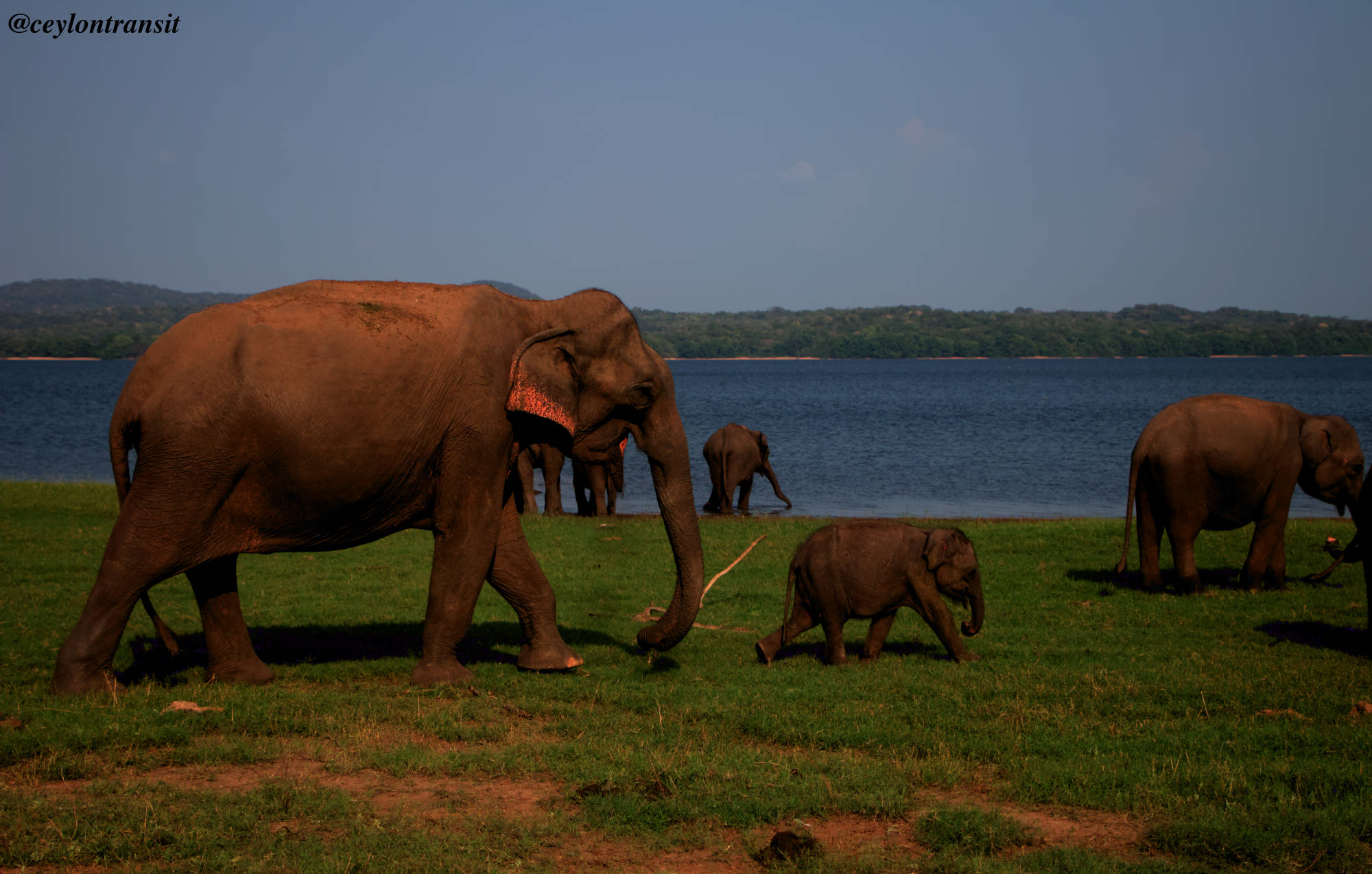
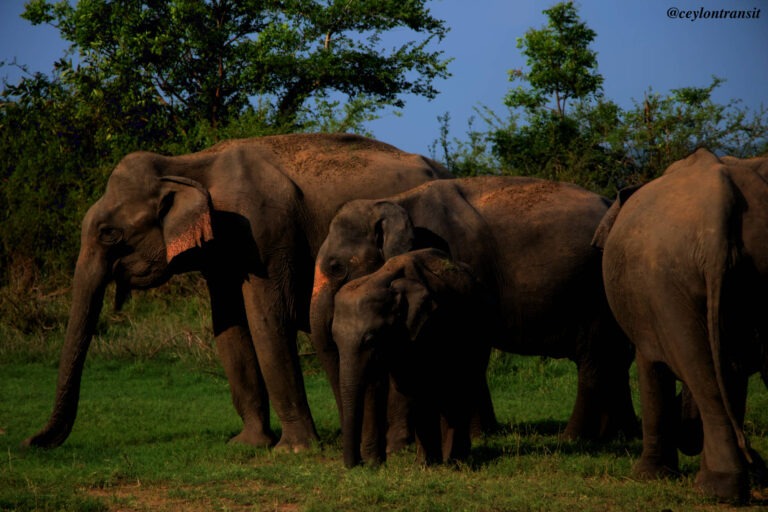
Baby elephant marching forward with family in Minneriya, Sri Lanka
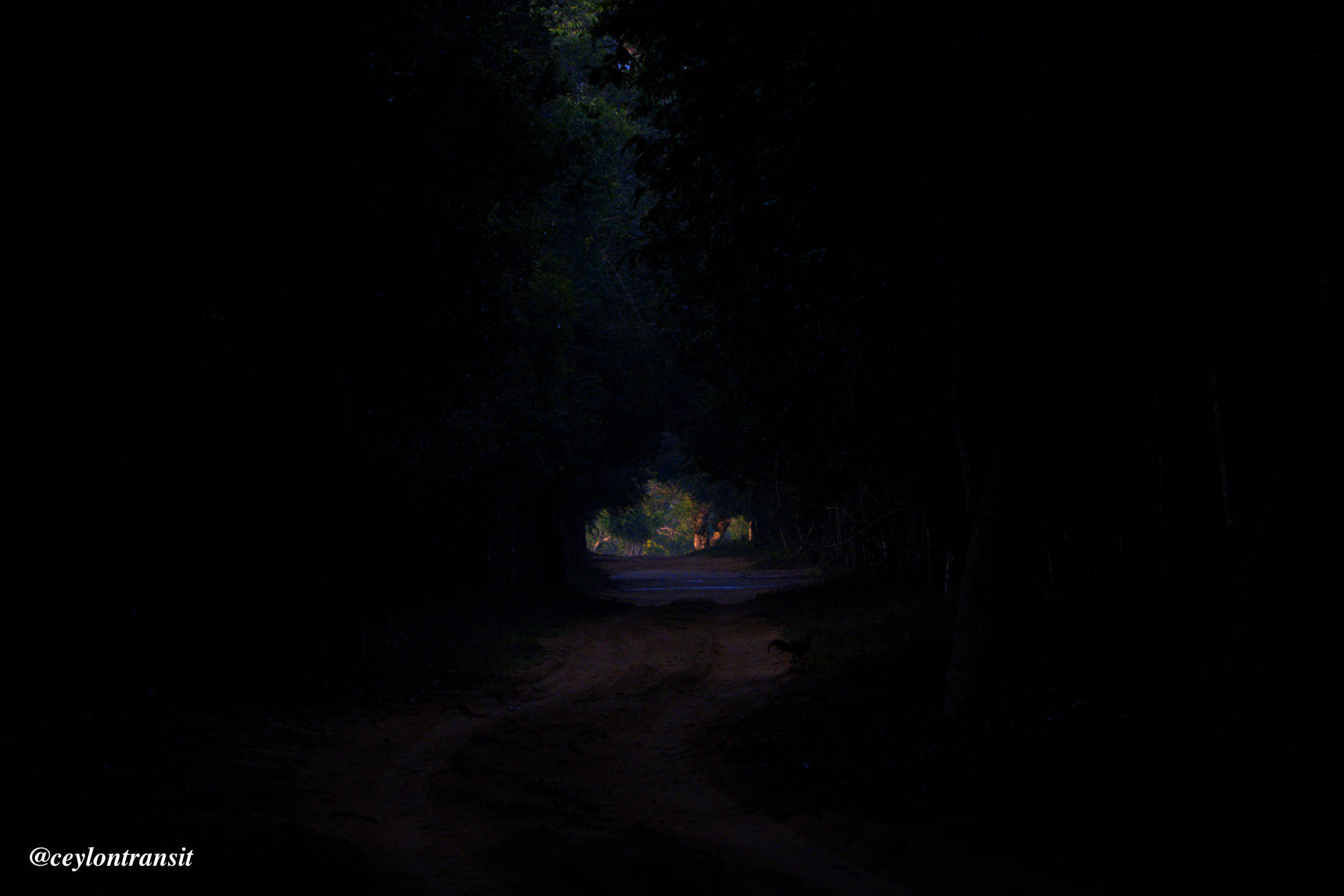
Morning vibe in the heaven, Wilpattu National Park, Sri Lanka
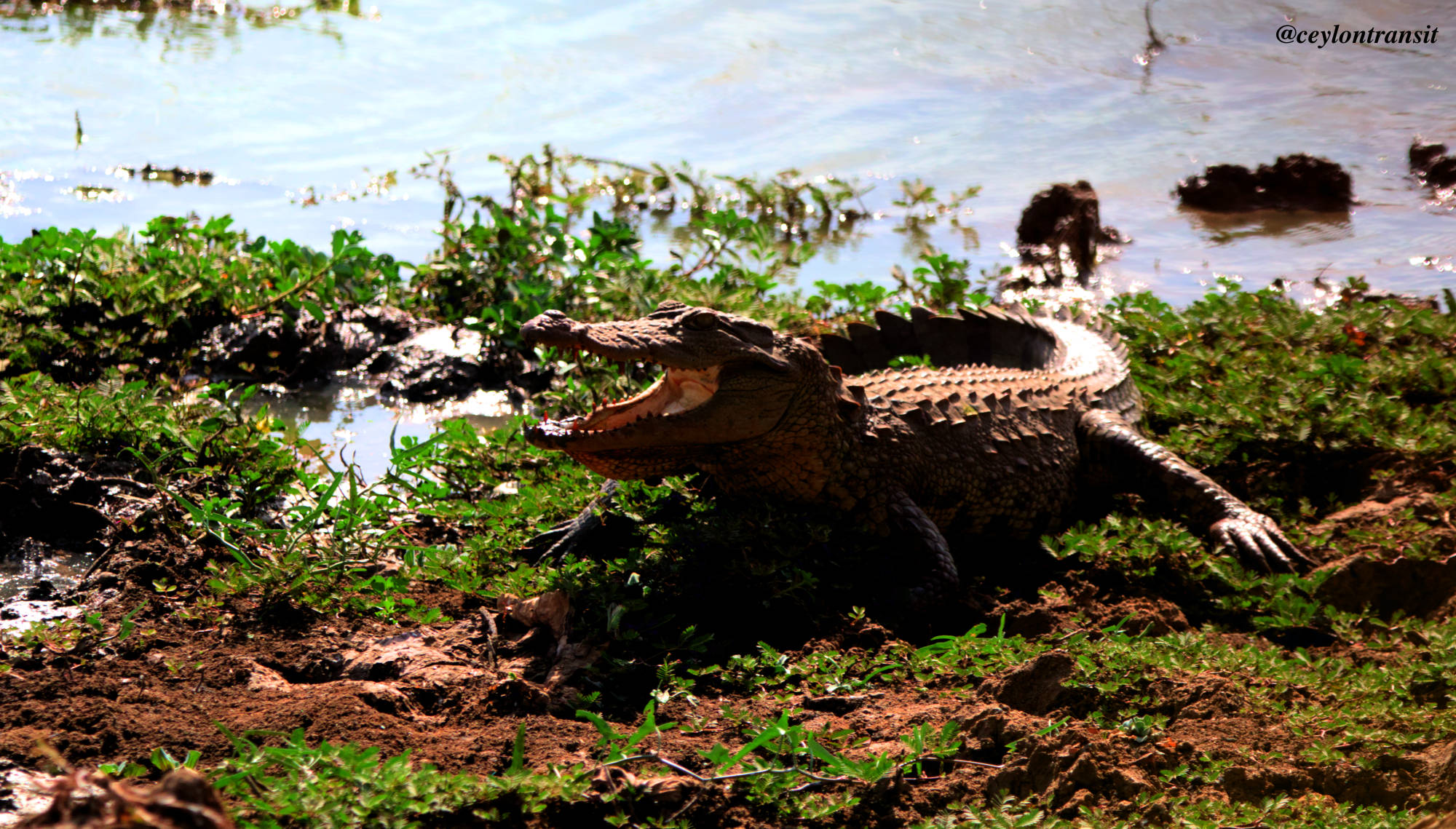
Crocodiles can be seen in many national parks in Sri Lanka
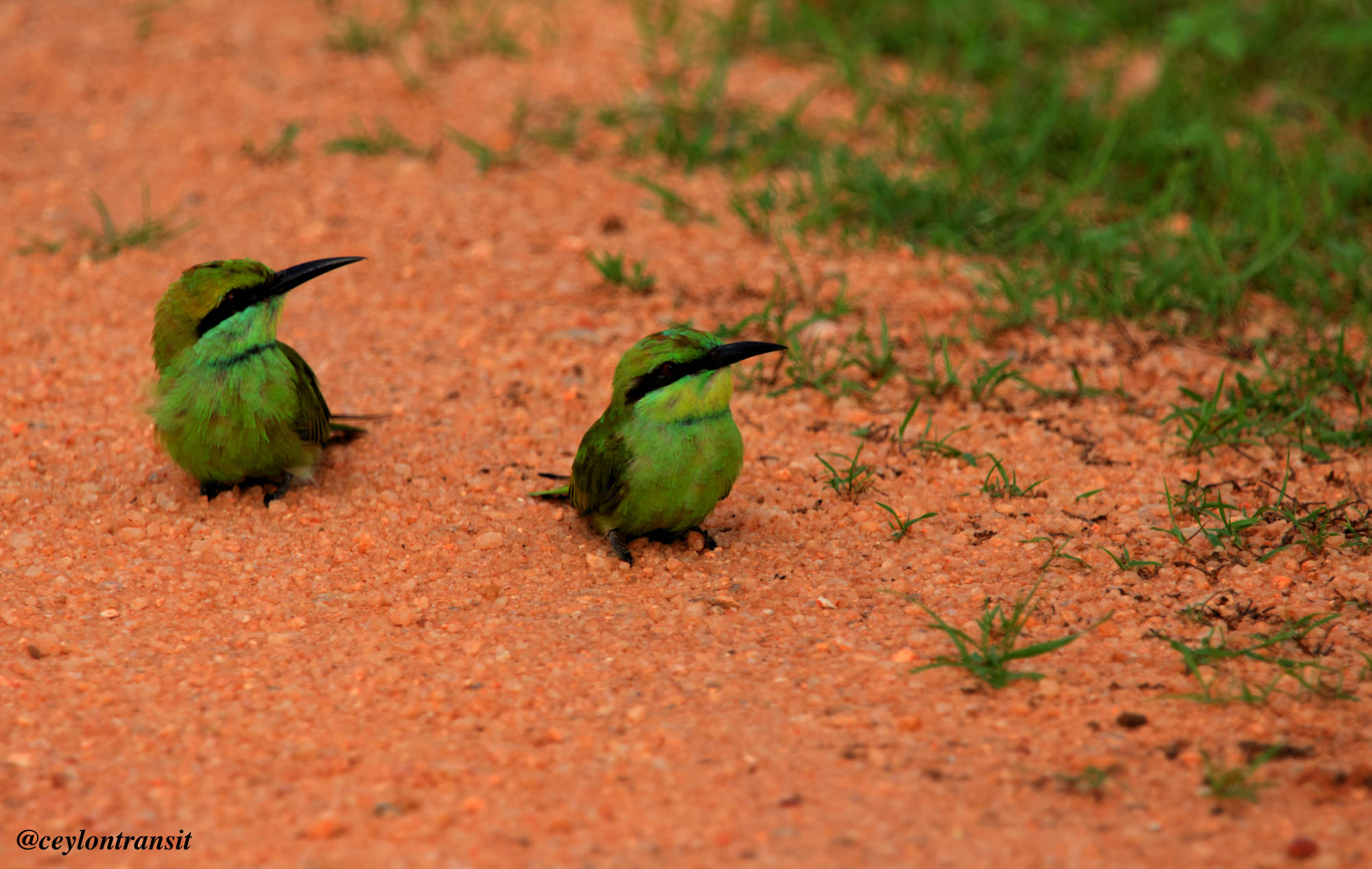
Asian green bee-eater in Yala National Park, Sri Lanka
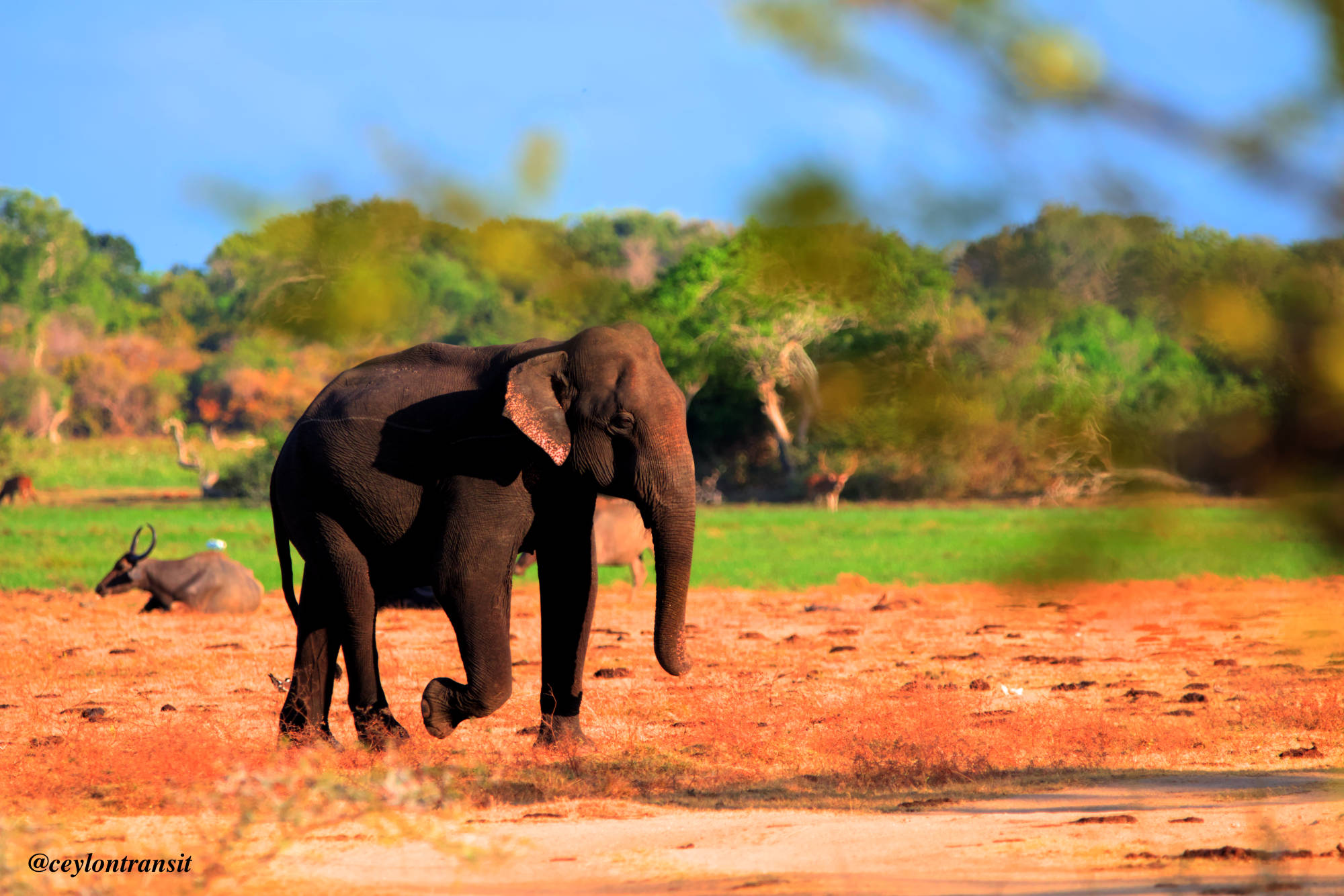
Lone elephant marching forward, Kumana National Park, Sri Lanka
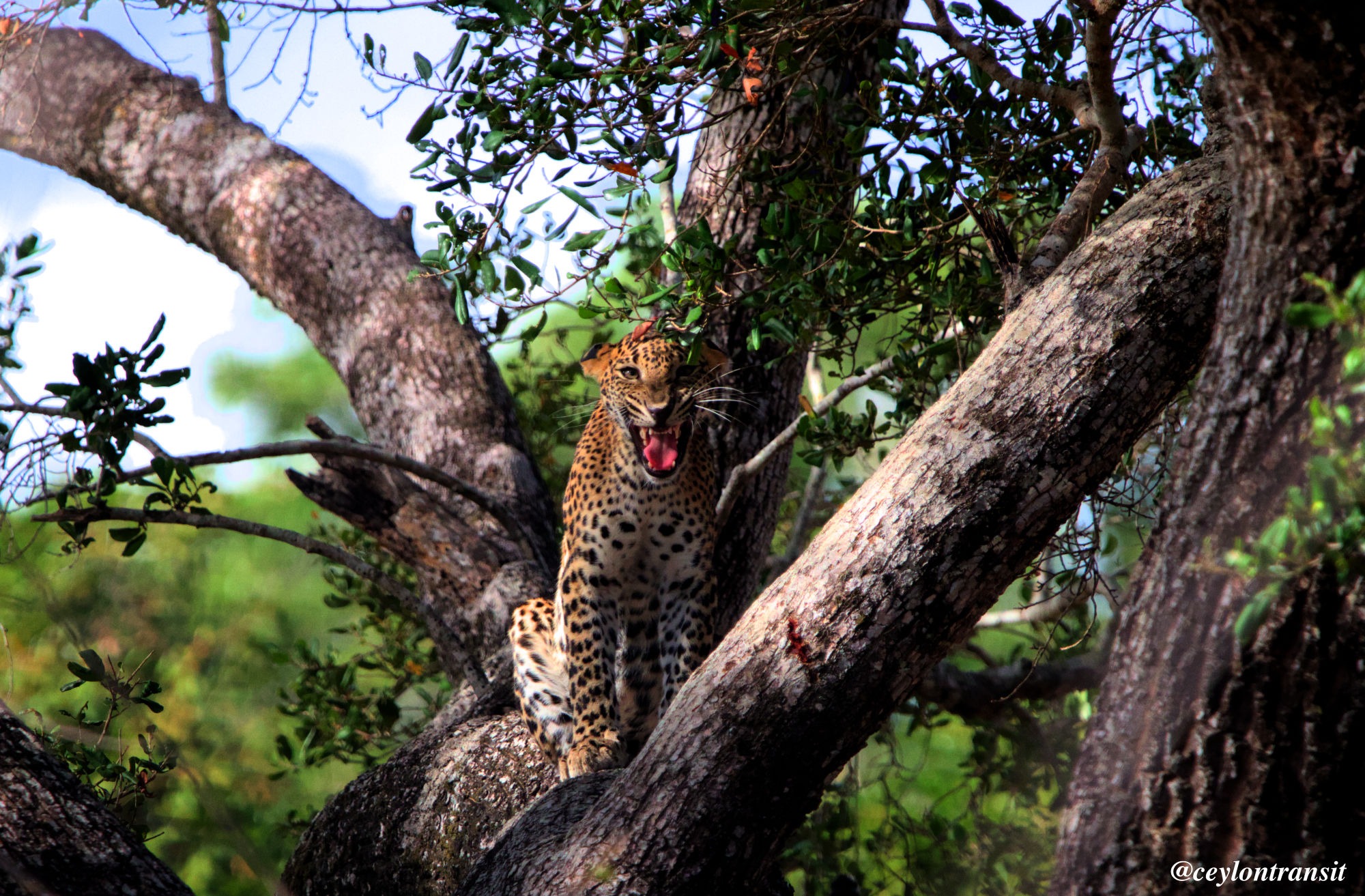
Leopard cub growling on a tree, Yala National Park, Block V, Sri Lanka
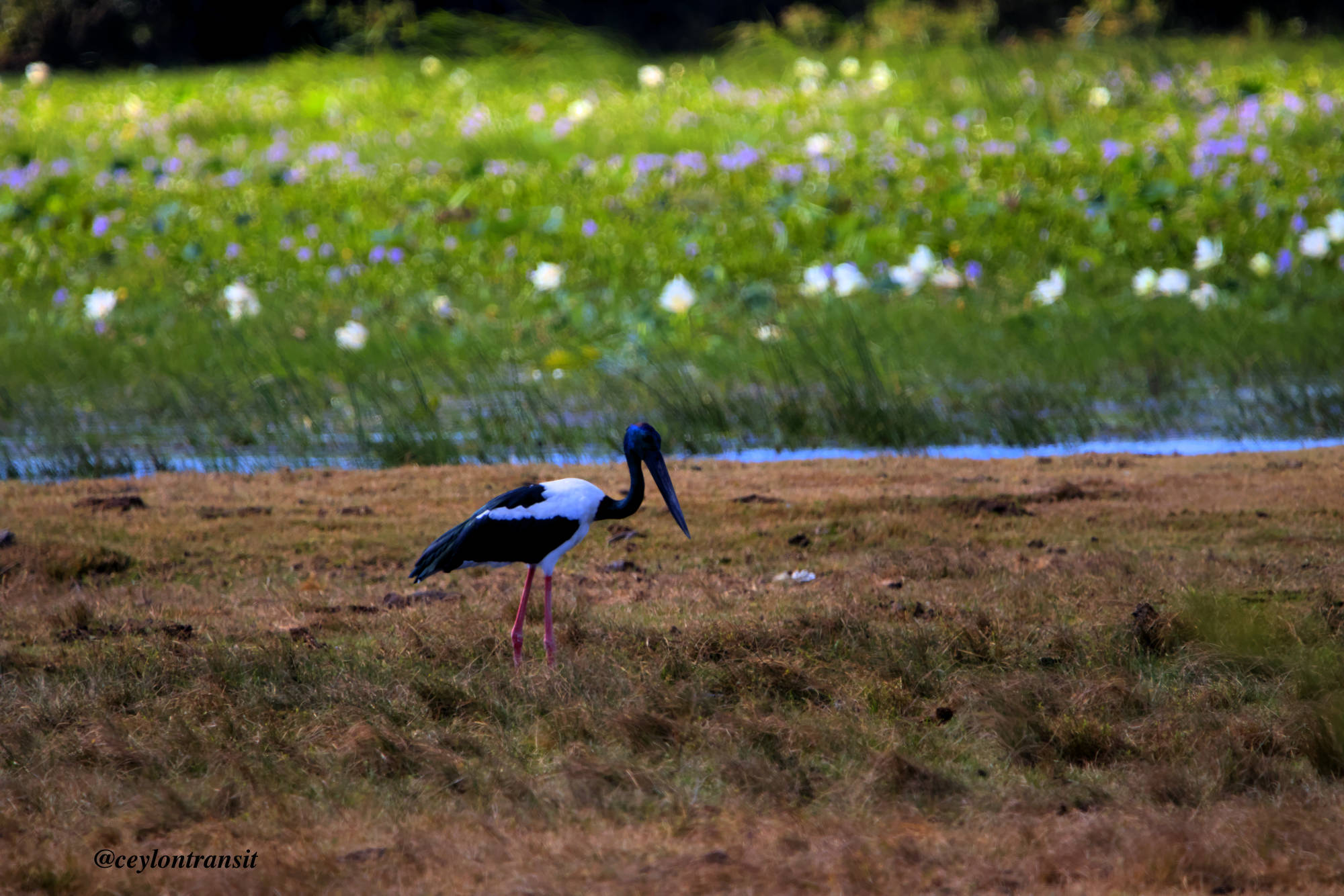
Rare black necked stork in Kumana National Park, Sri Lanka
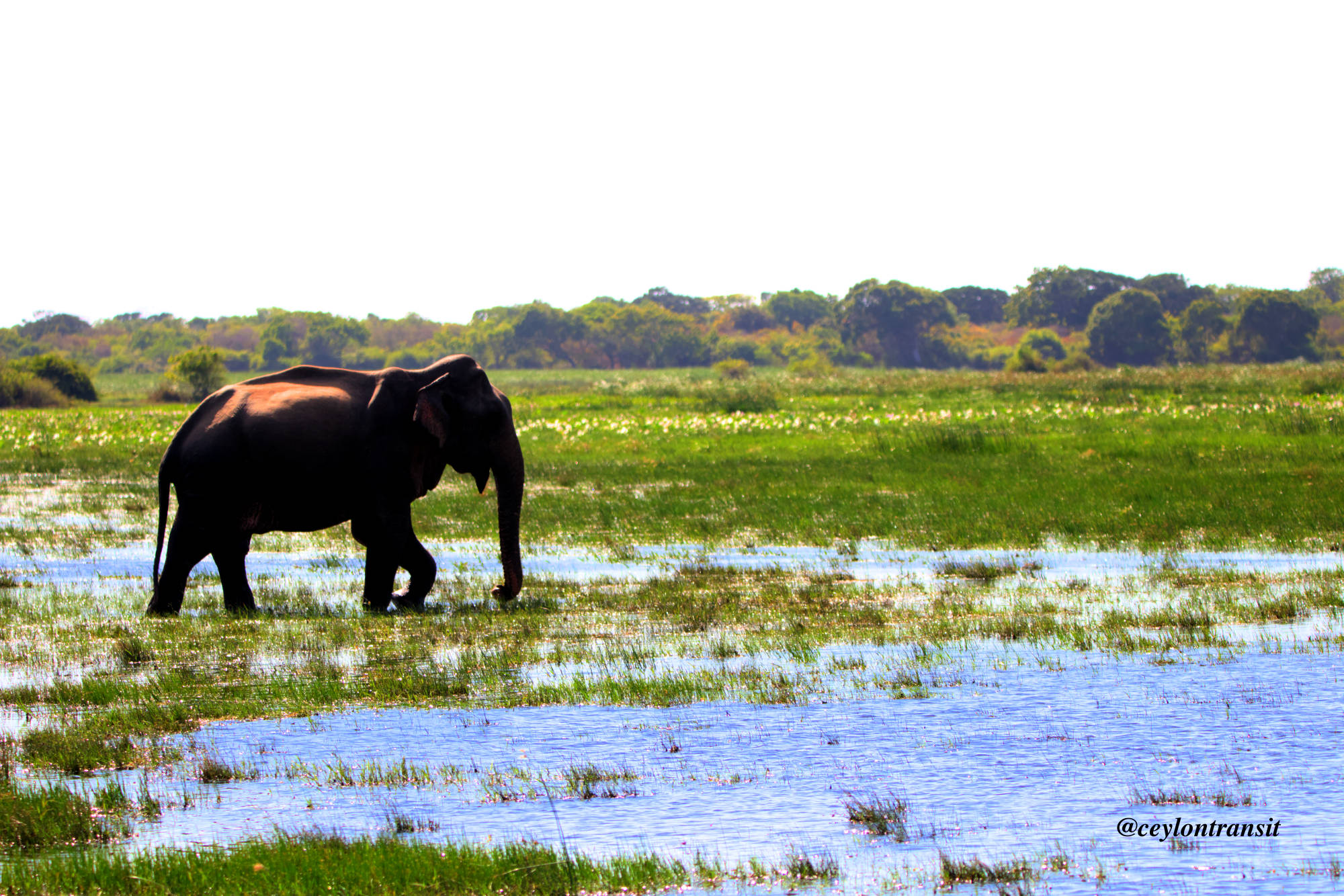
Majestic walk of a giant, Kumana National Park, Sri Lanka
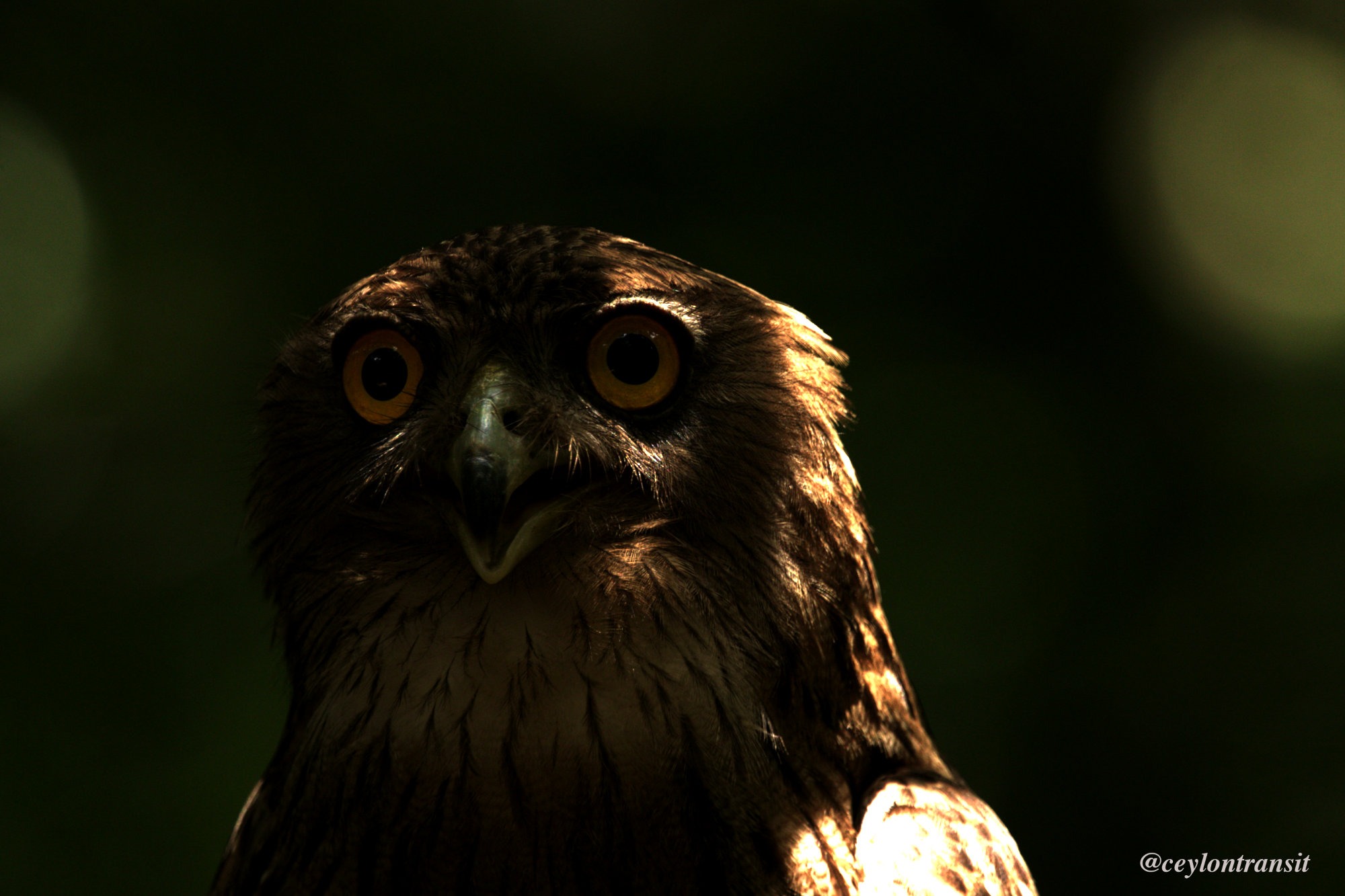
Close up look of a Brown Fish Owl, Wilpattu NP
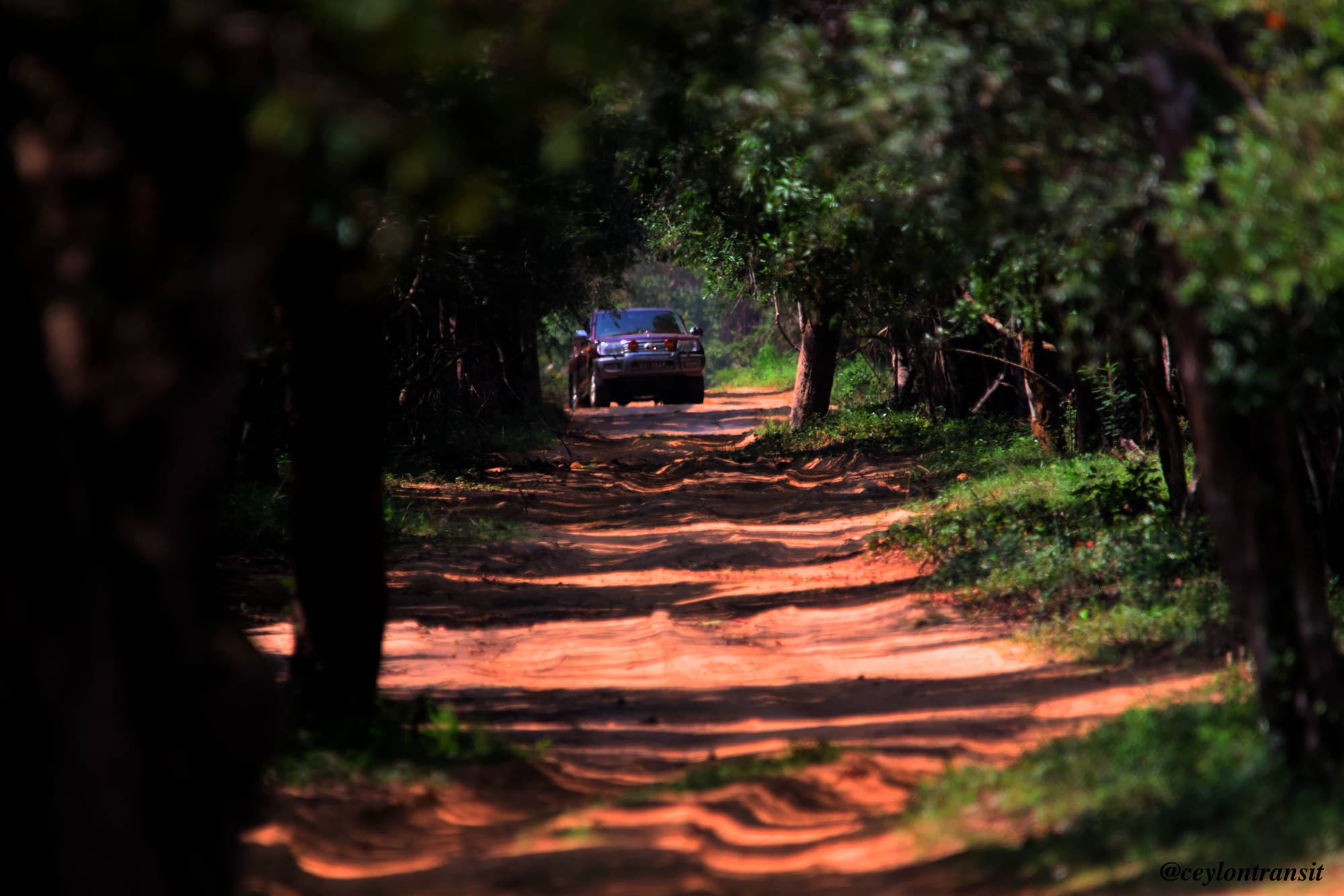
Jeep appearing under the tree cover, Wilpattu NP, Sri Lanka
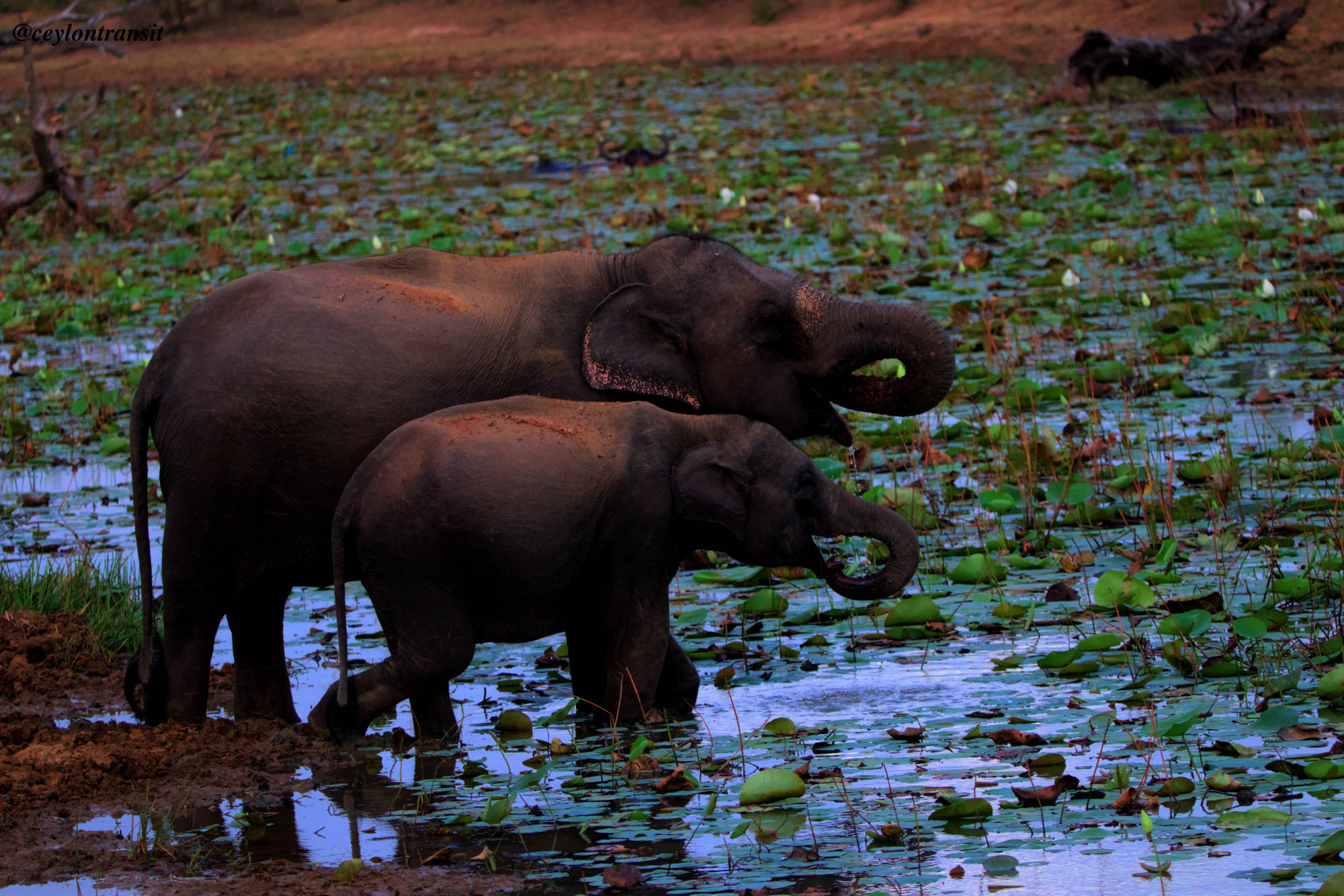
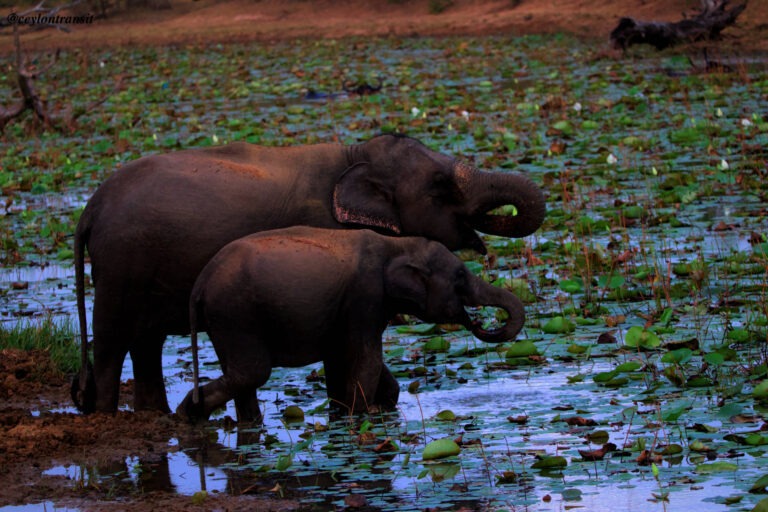
Elephants drinking water, Yala National Park, Sri Lanka
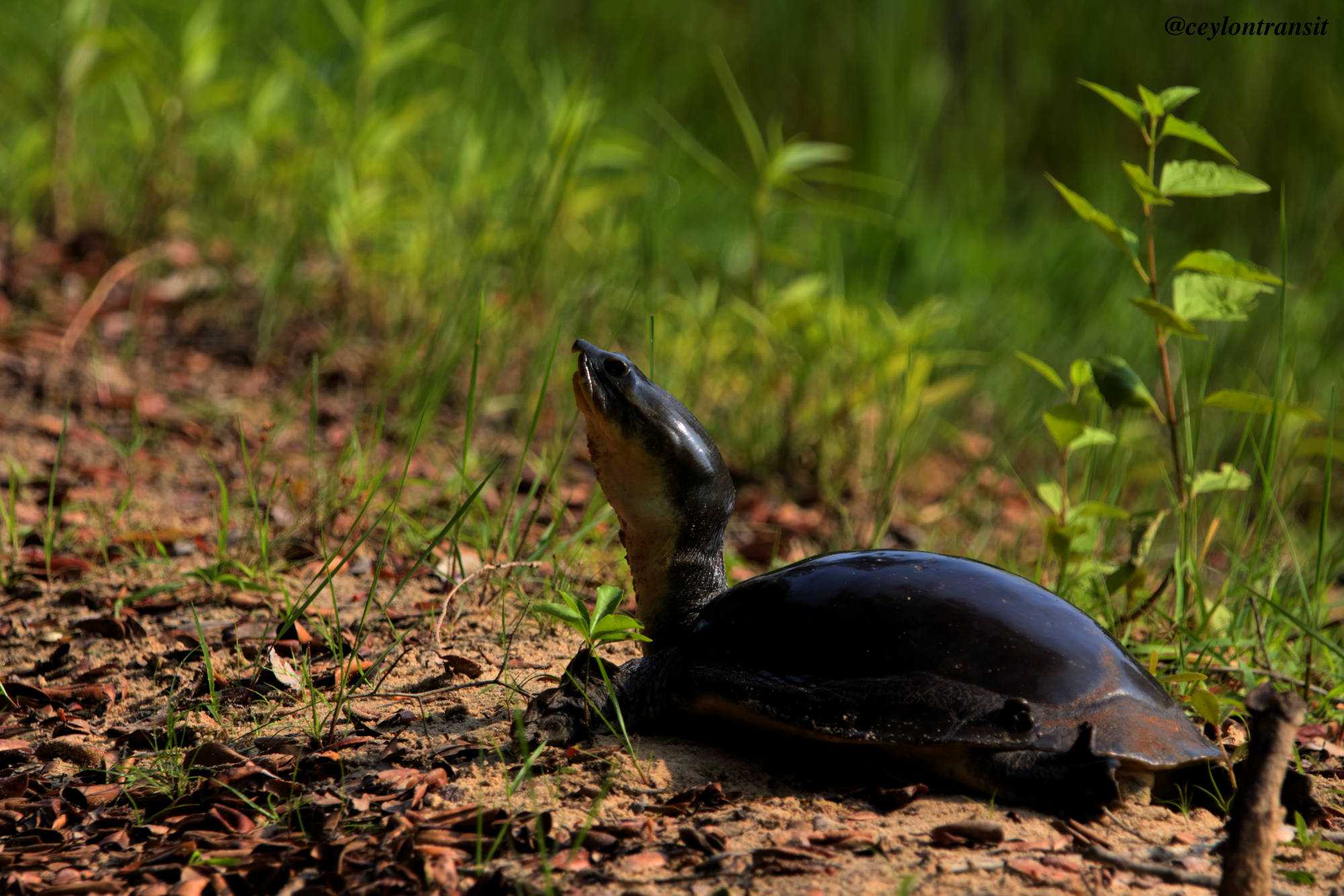
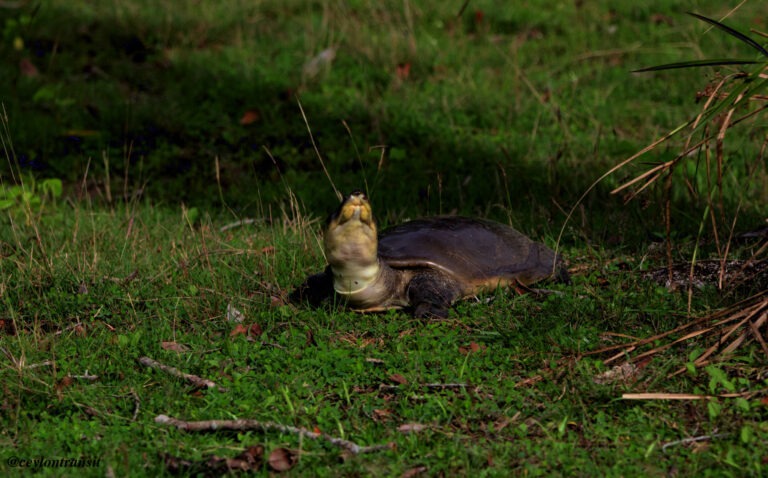
Indian Flapshell turtle in Wilpattu National Park, Sri Lanka
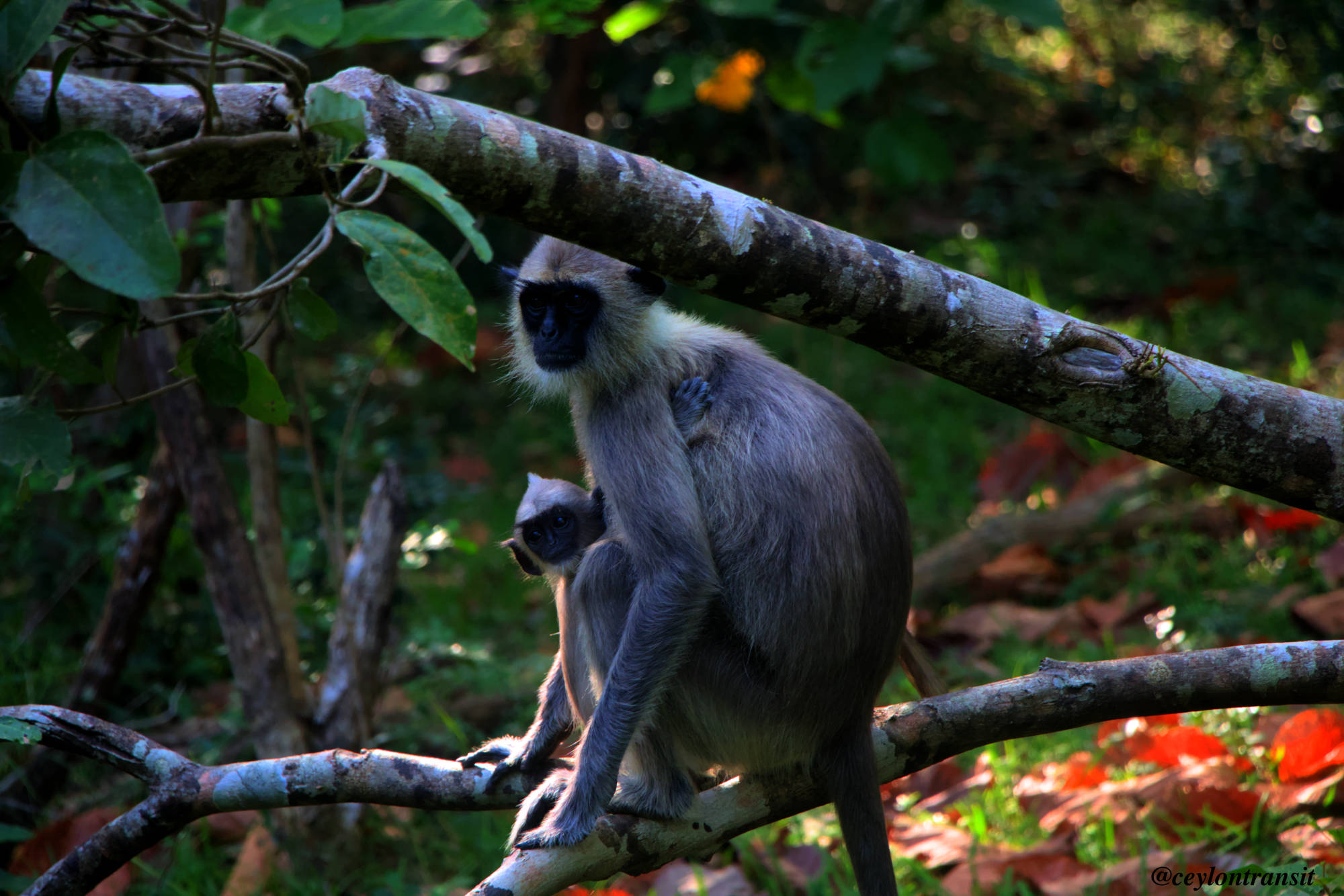
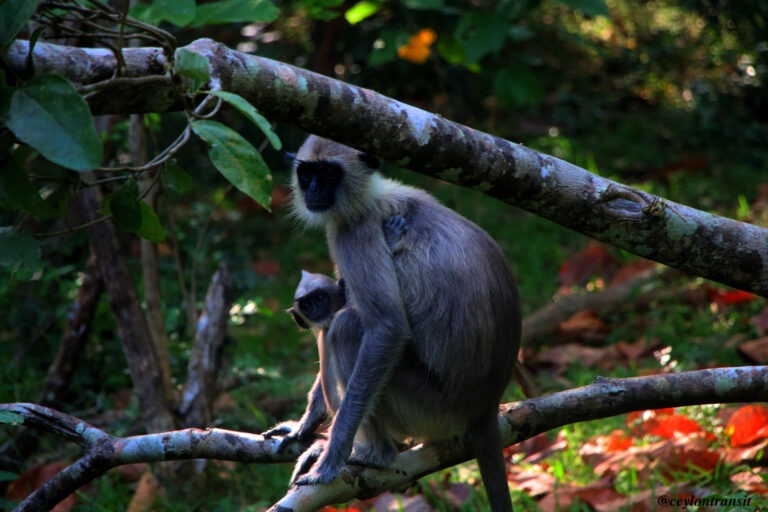
Tufted gray langur (Hanuman money) in Minneriya National Park, Sri Lanka
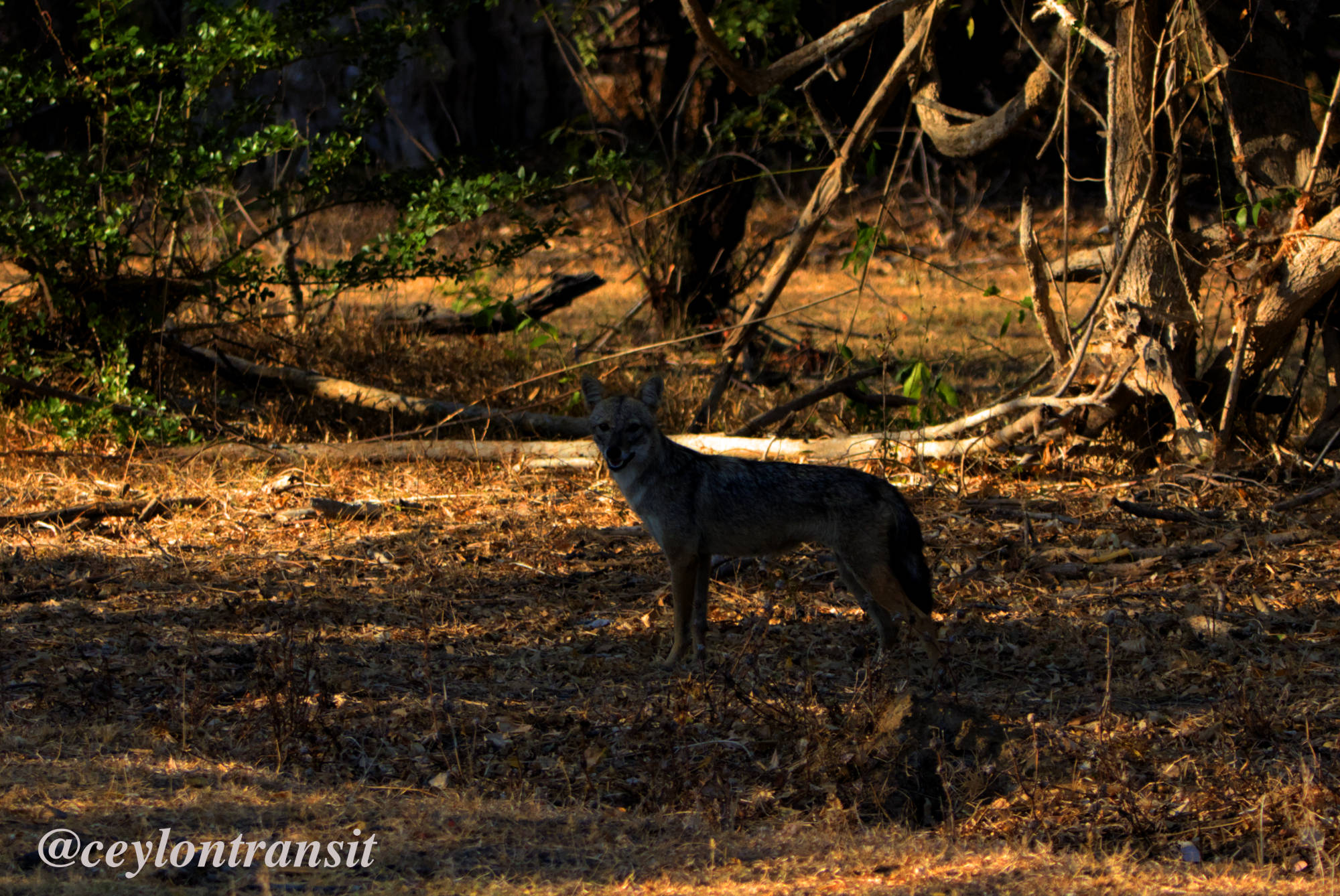
Sri Lankan jackal is watching us, Kumana National Park, Sri Lanka
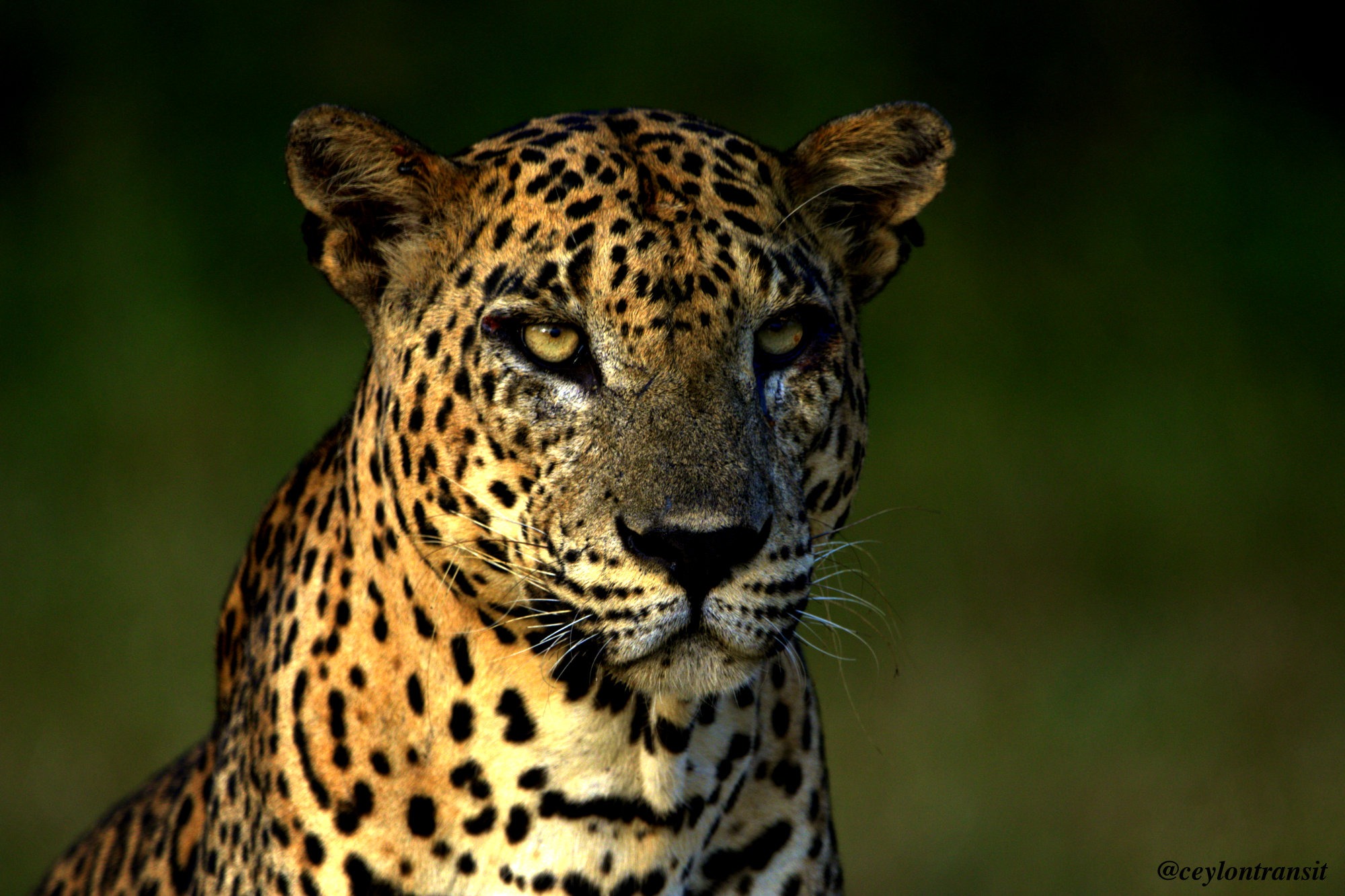
Portrait of a Big Male Leopard, Wilpattu NP
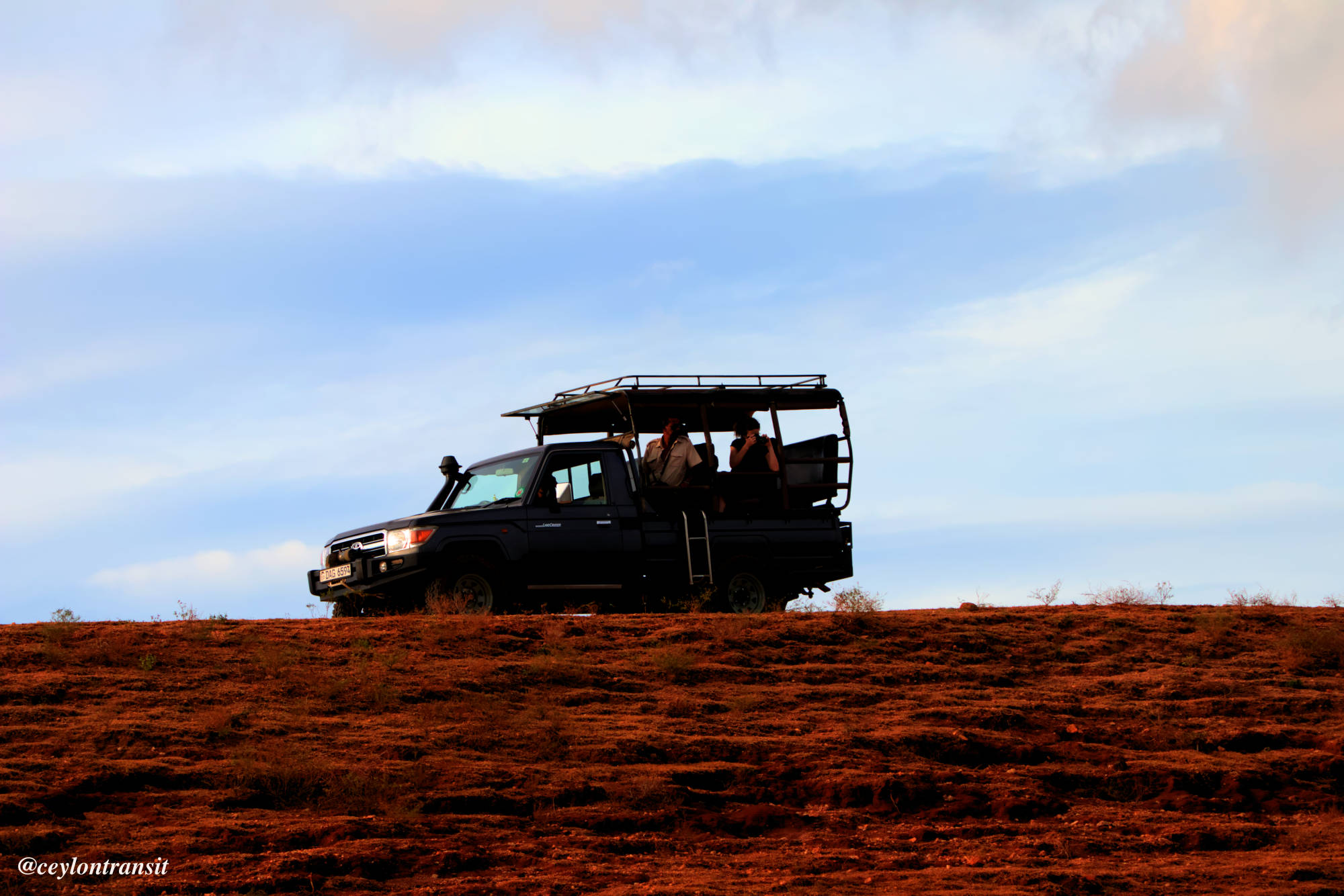
Safari jeep on Weheragala dam, Yala Block V, Sri Lanka
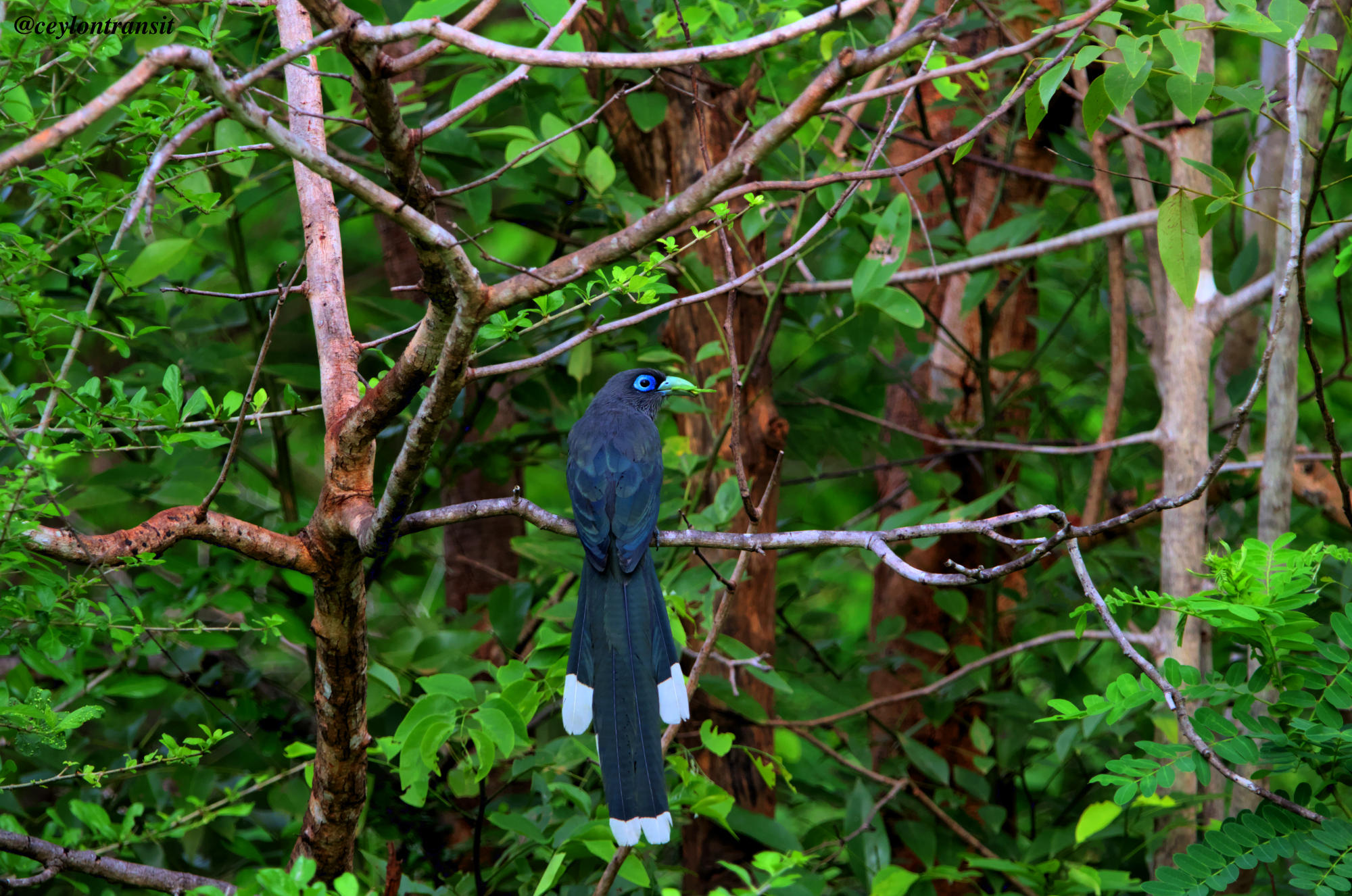
Blue faced malkoha, Yala Block V, Sri Lanka
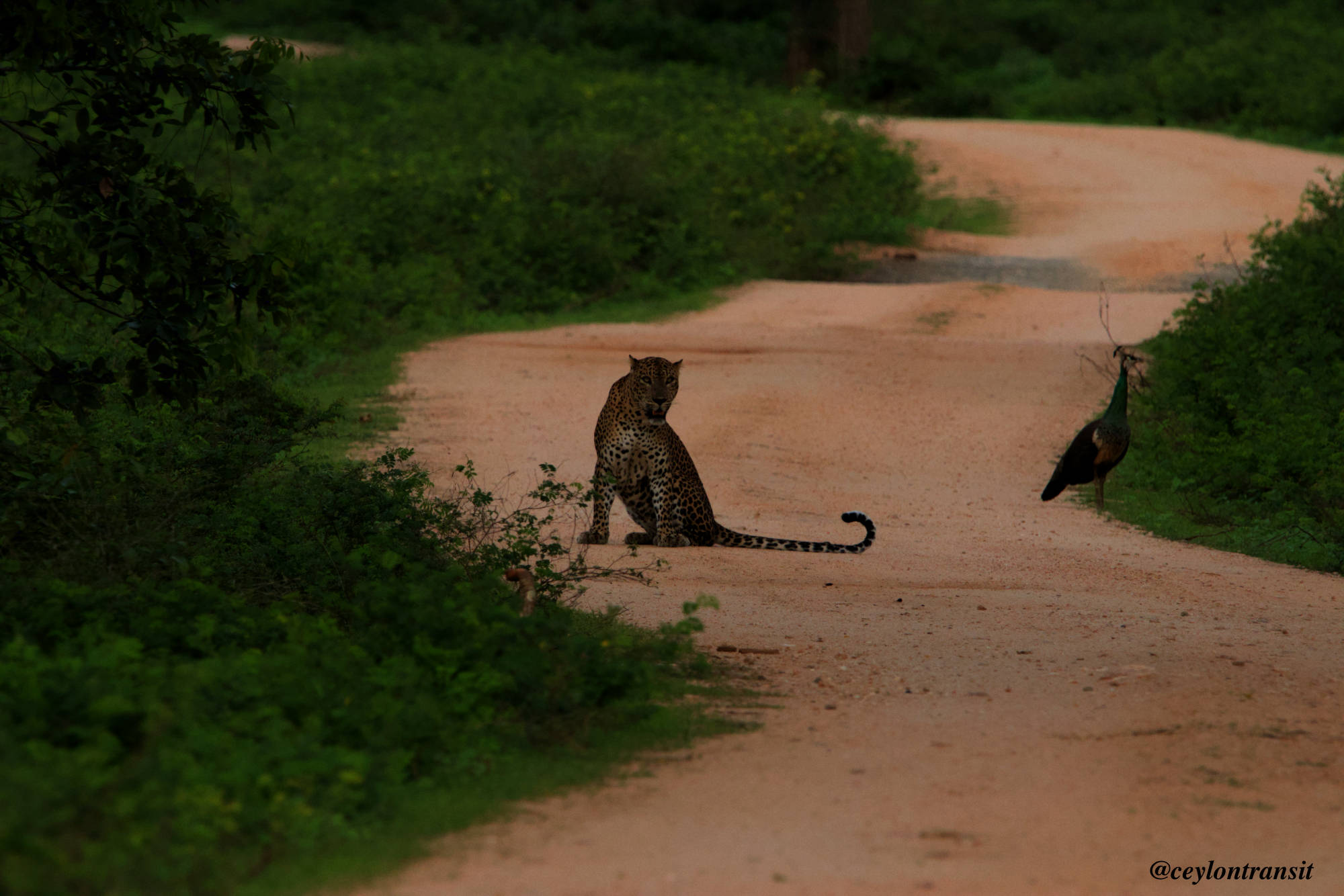
Indran, the big male leopard (YB5M10), Yala Block V, Sri Lanka
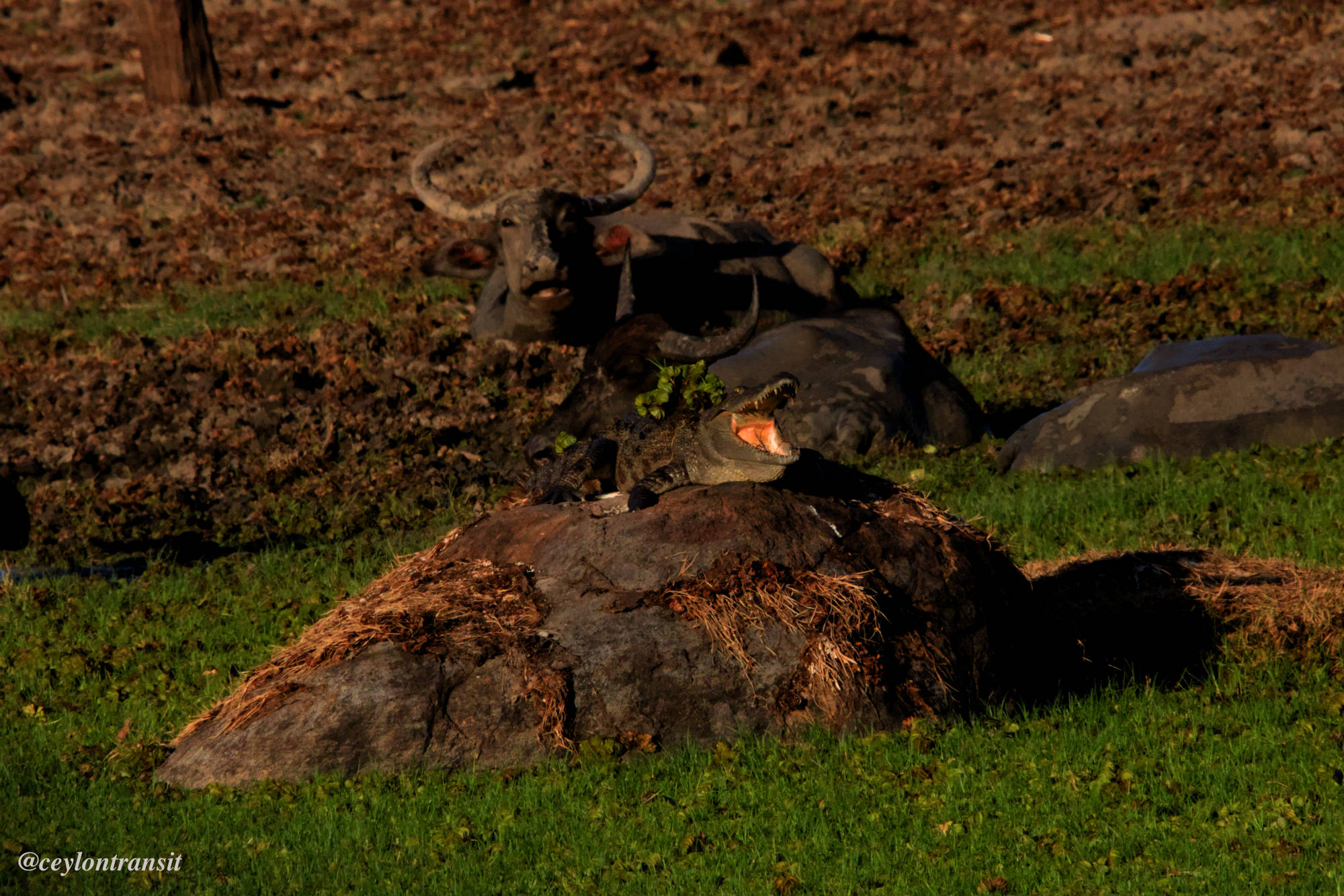
Crocodile sub bathing with water buffalos, Kumana NP, Sri Lanka
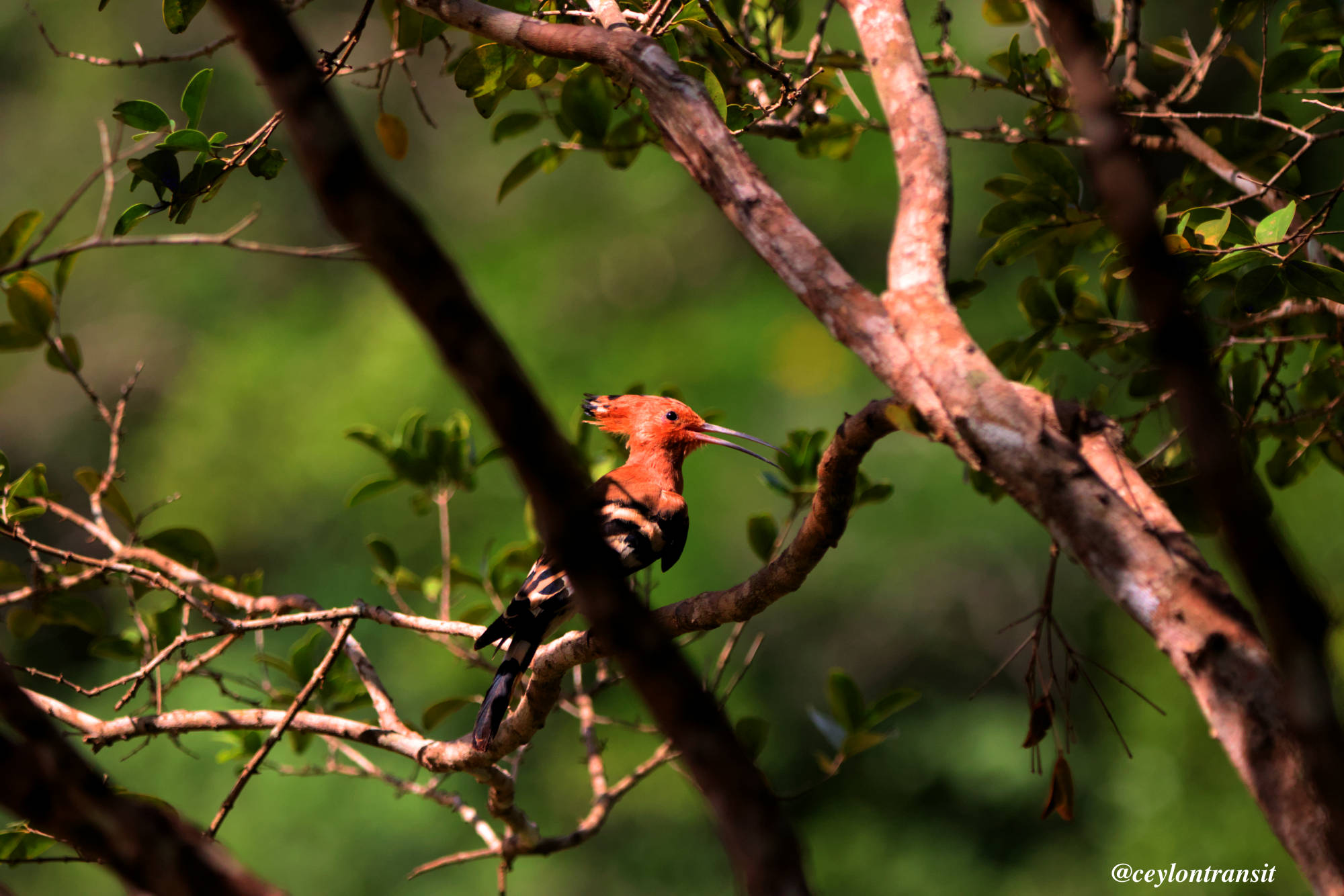
Colourful Hoopoe in Wilpattu National Park, Sri Lanka
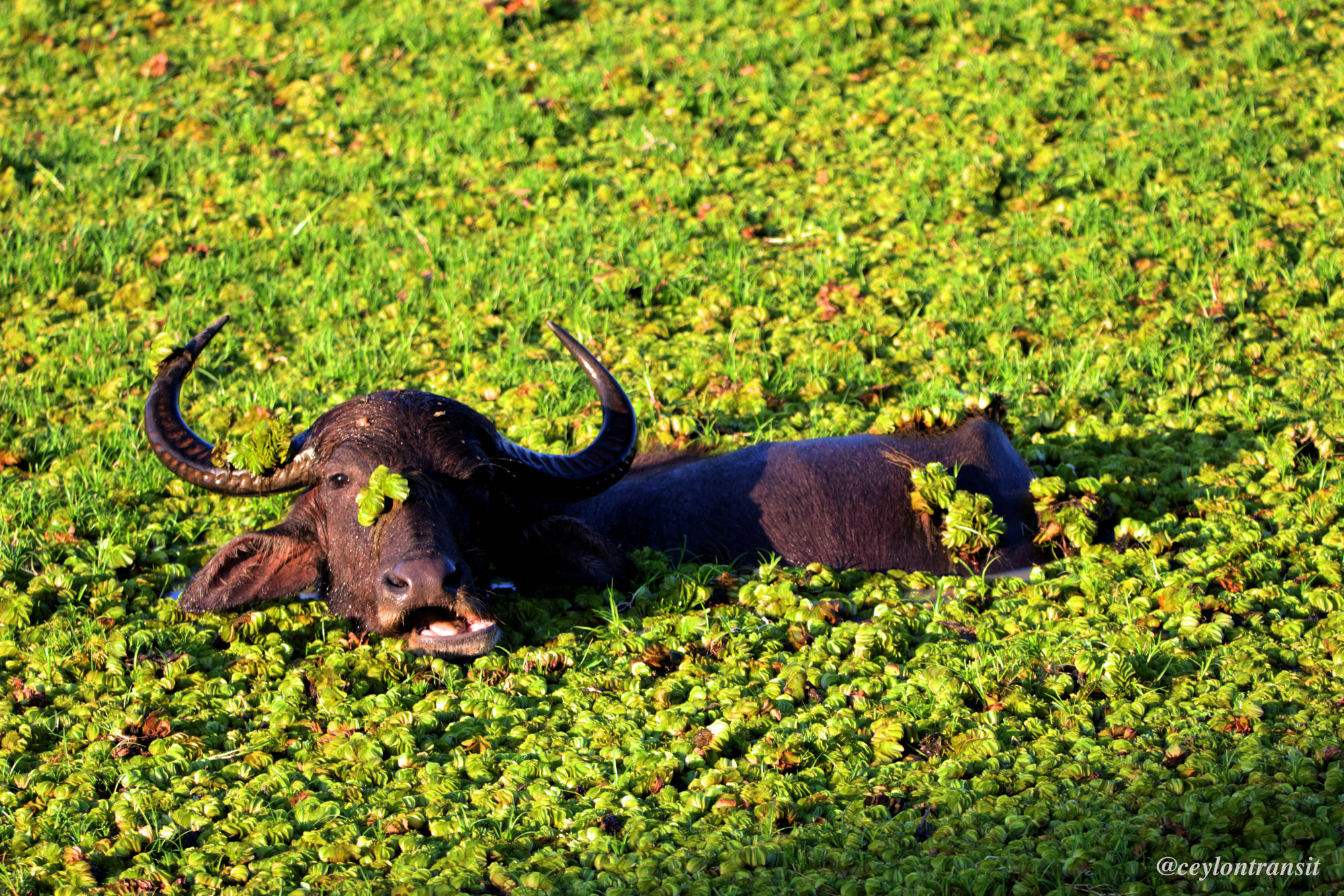
Water buffalo in the lake, Kumana National Park, Sri Lanka
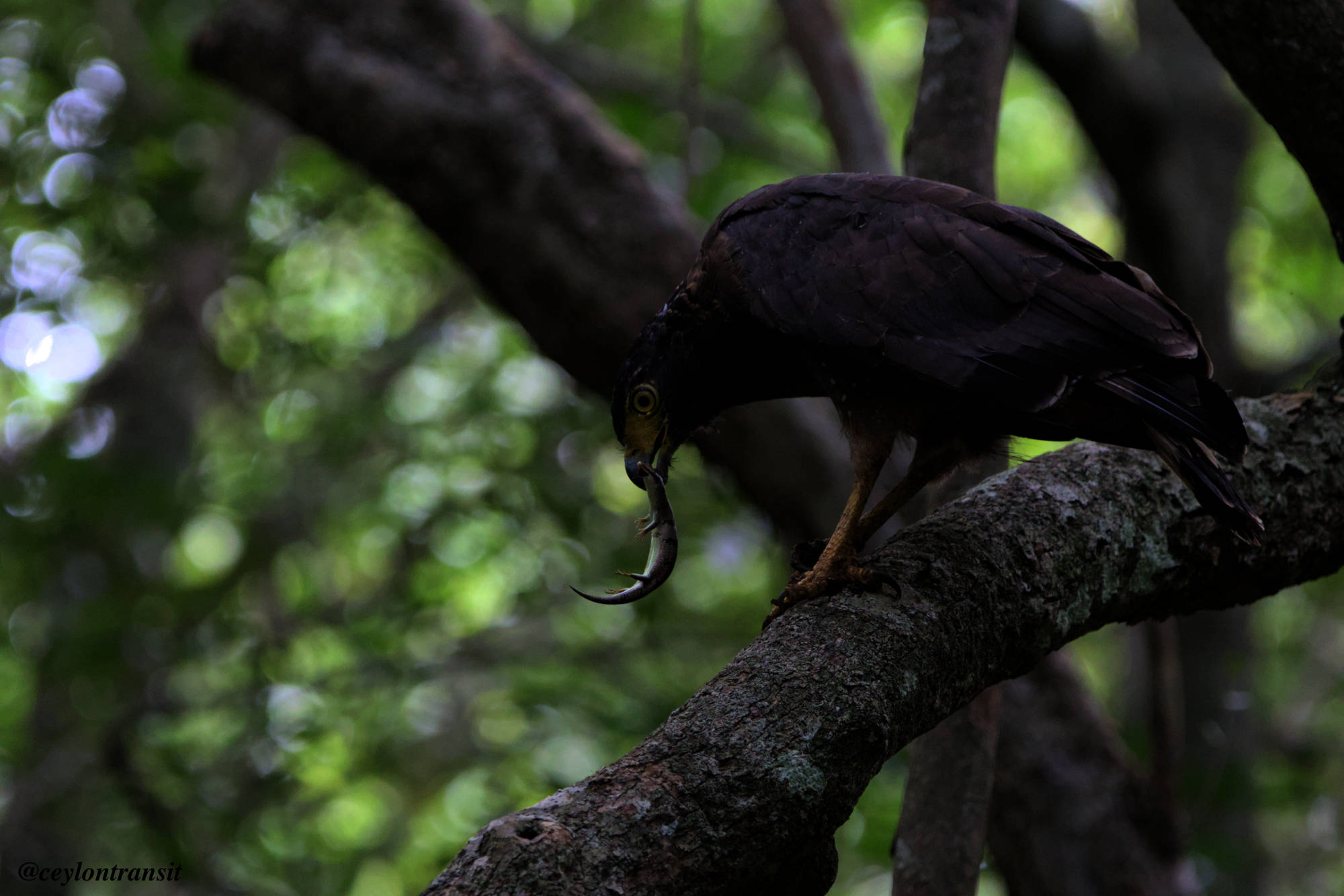
Crested Serpent Eagle having breakfast, Wilpattu NP, Sri Lanka
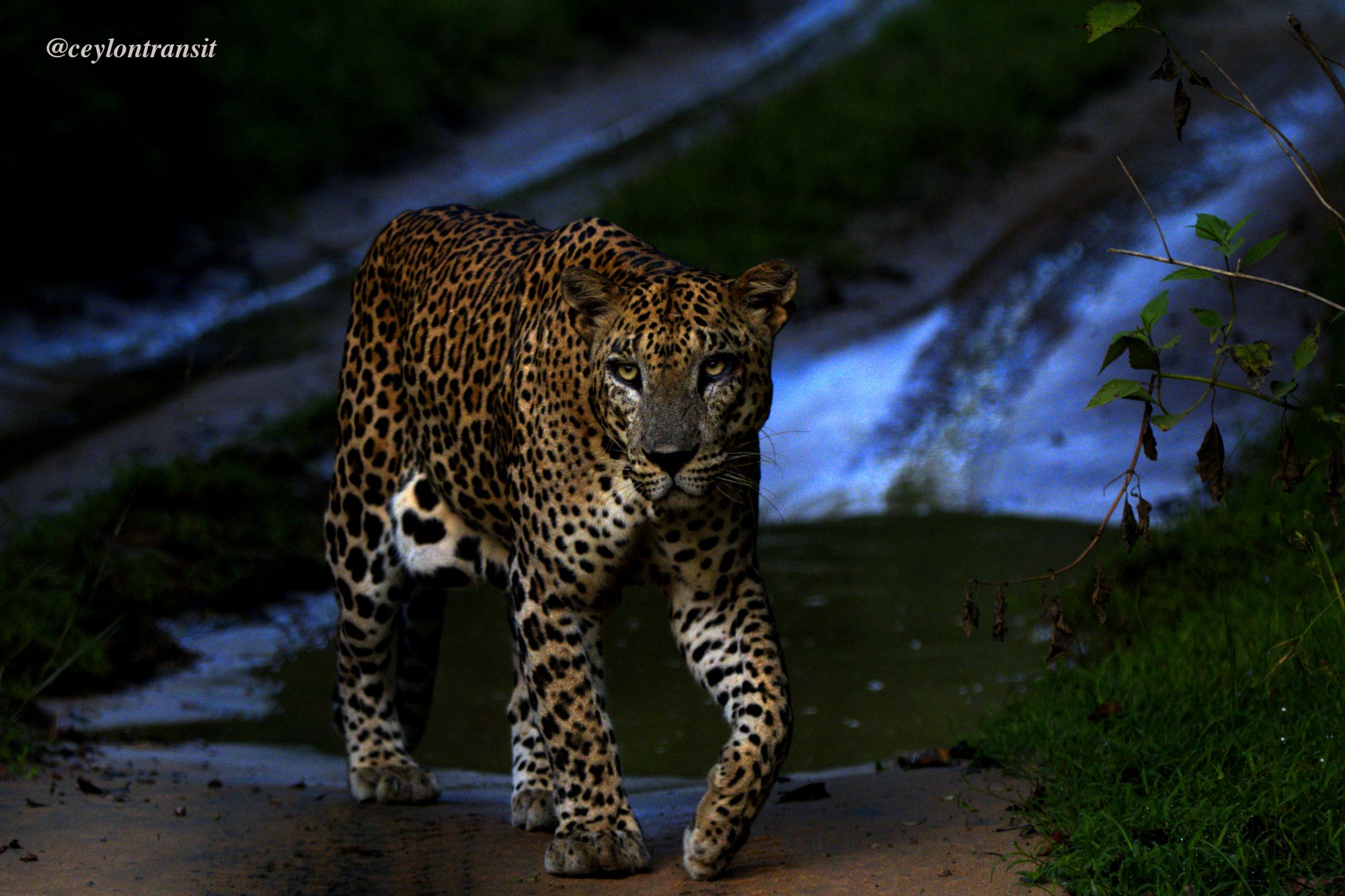
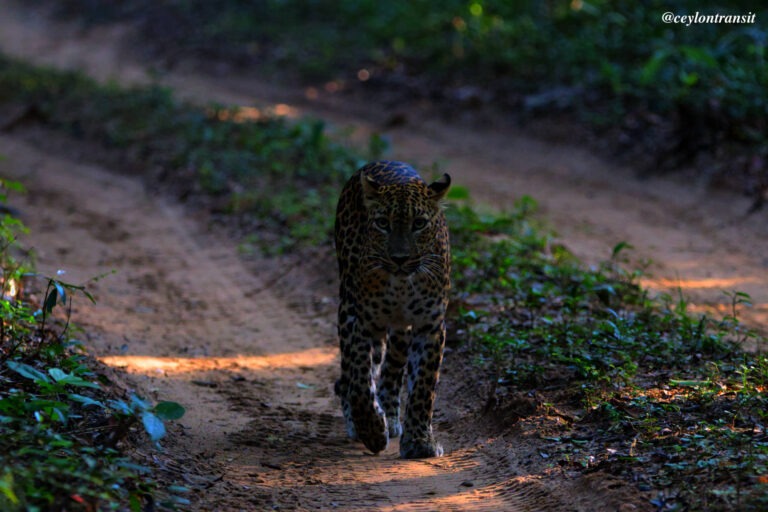
Leopard Roams Early Morning, Wilpattu NP
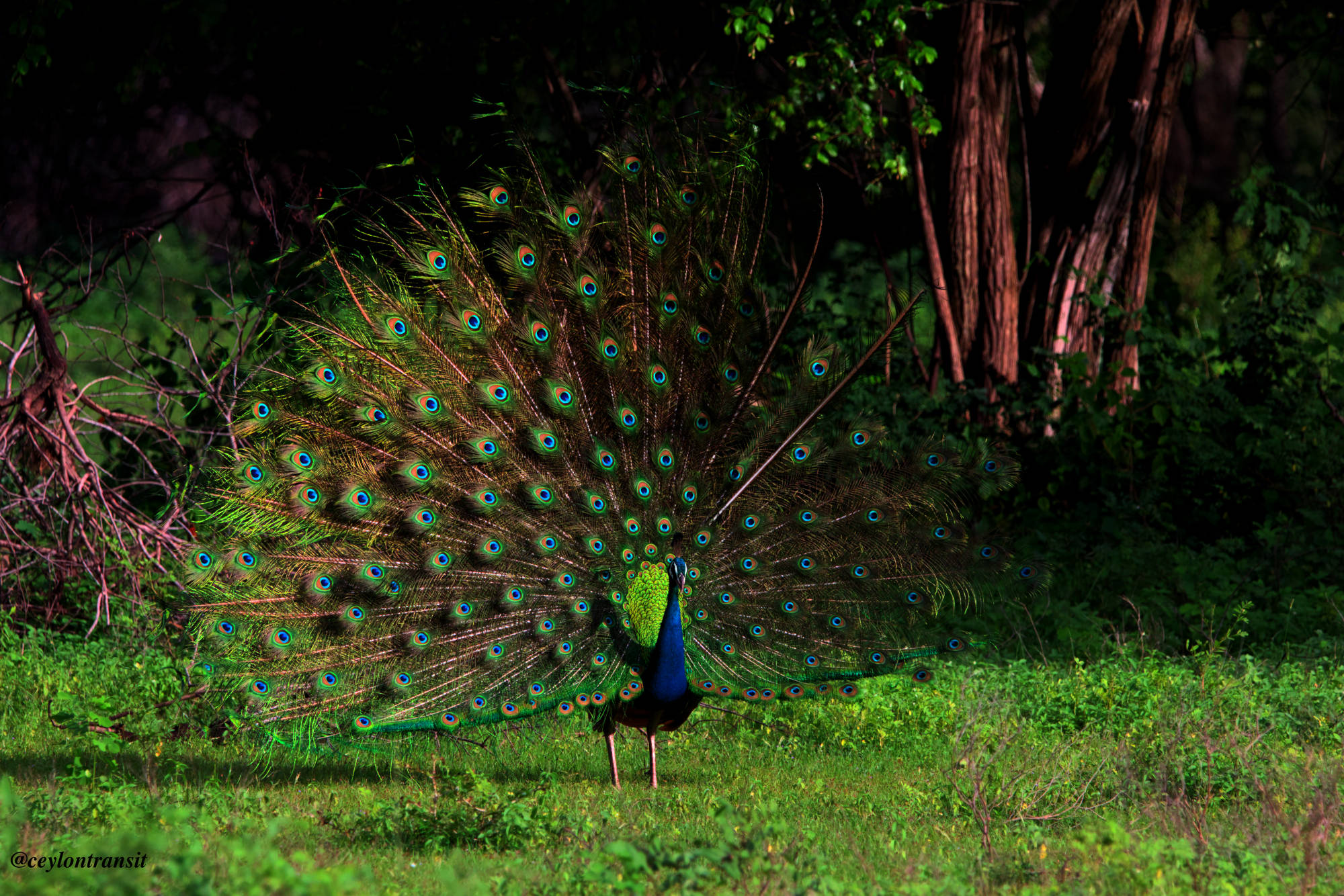
Beautiful peacocks are very common in Sri Lanka
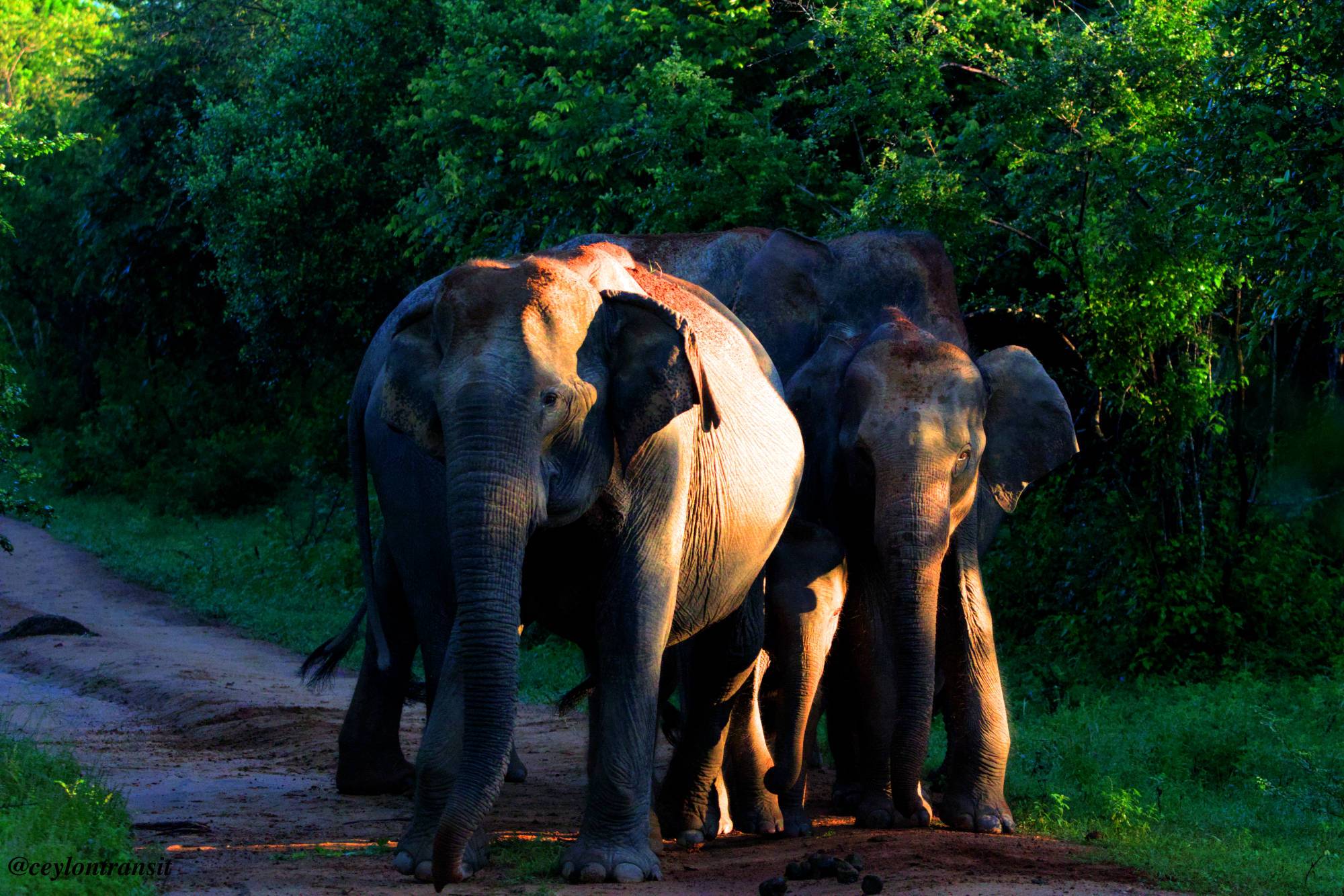
Herd of elephants blocking the road, Yala, Sri Lanka
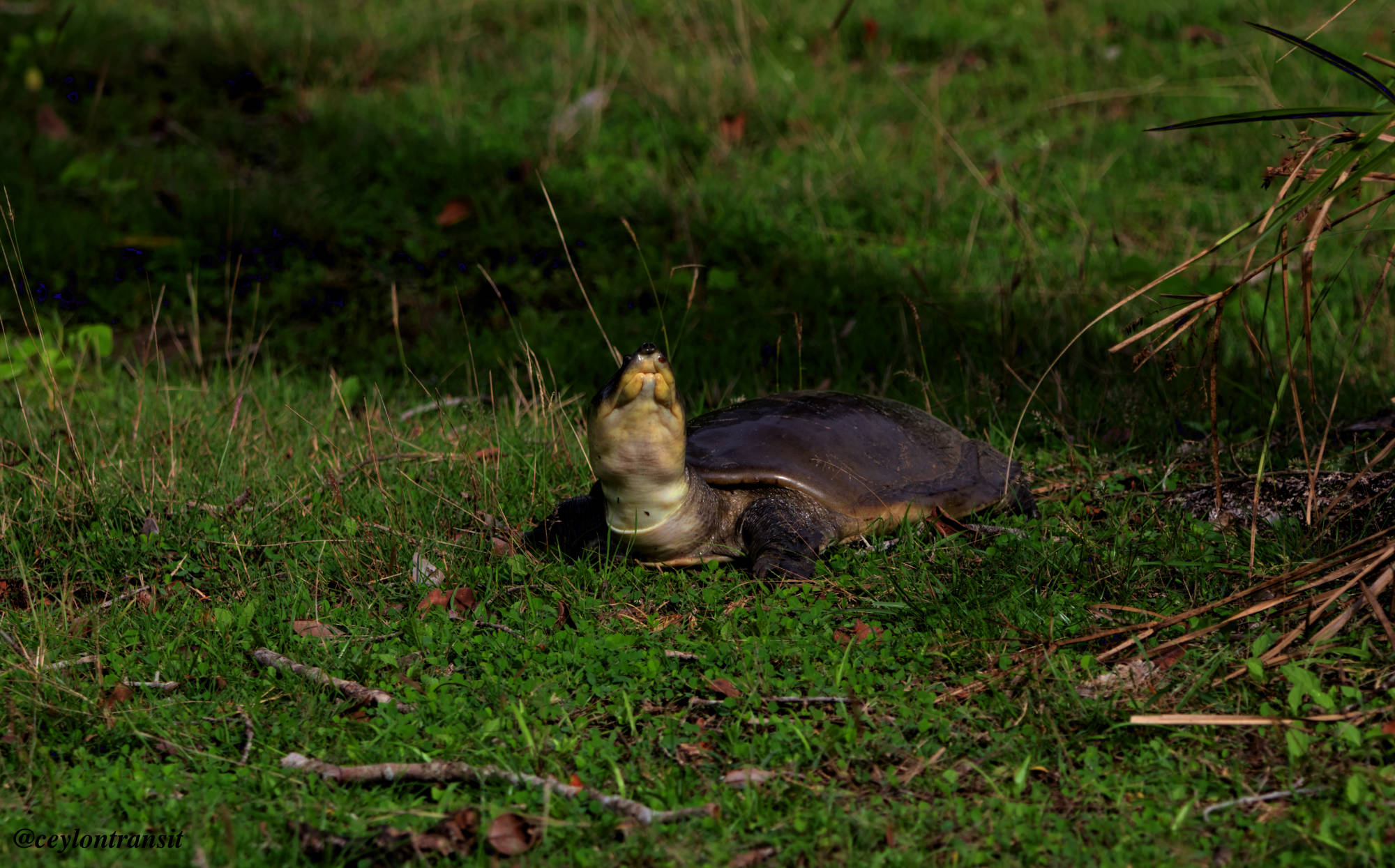
Indian Flapshell turtle in Yala National Park, Sri Lanka
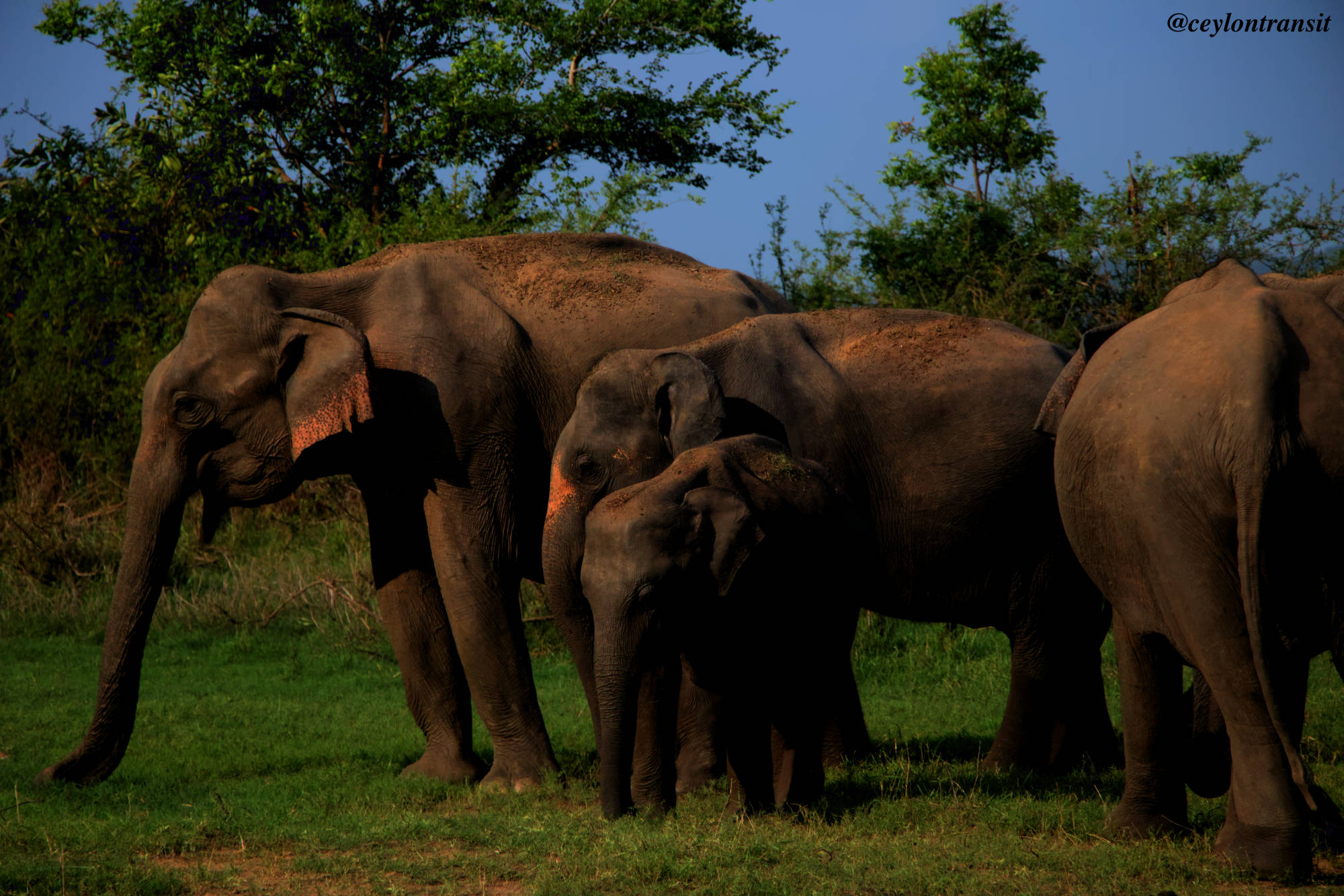
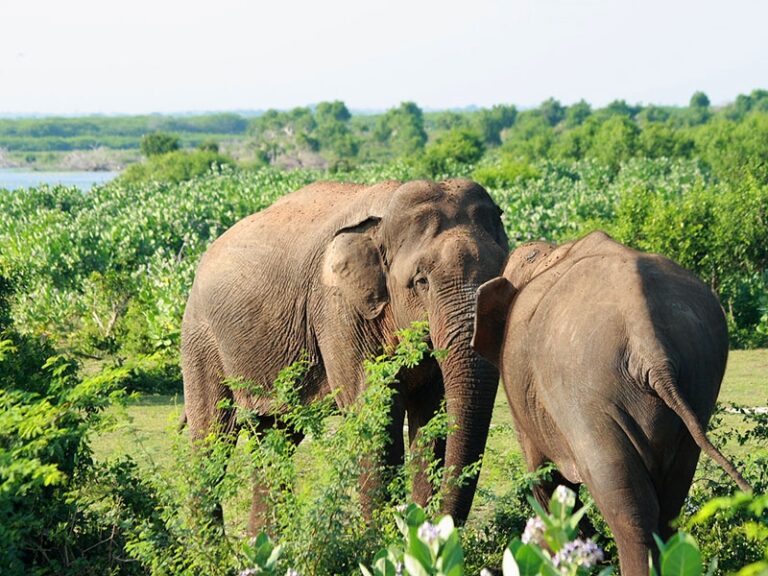
Large herds of elephants can be seen at Minneriya NP, Sri Lanka
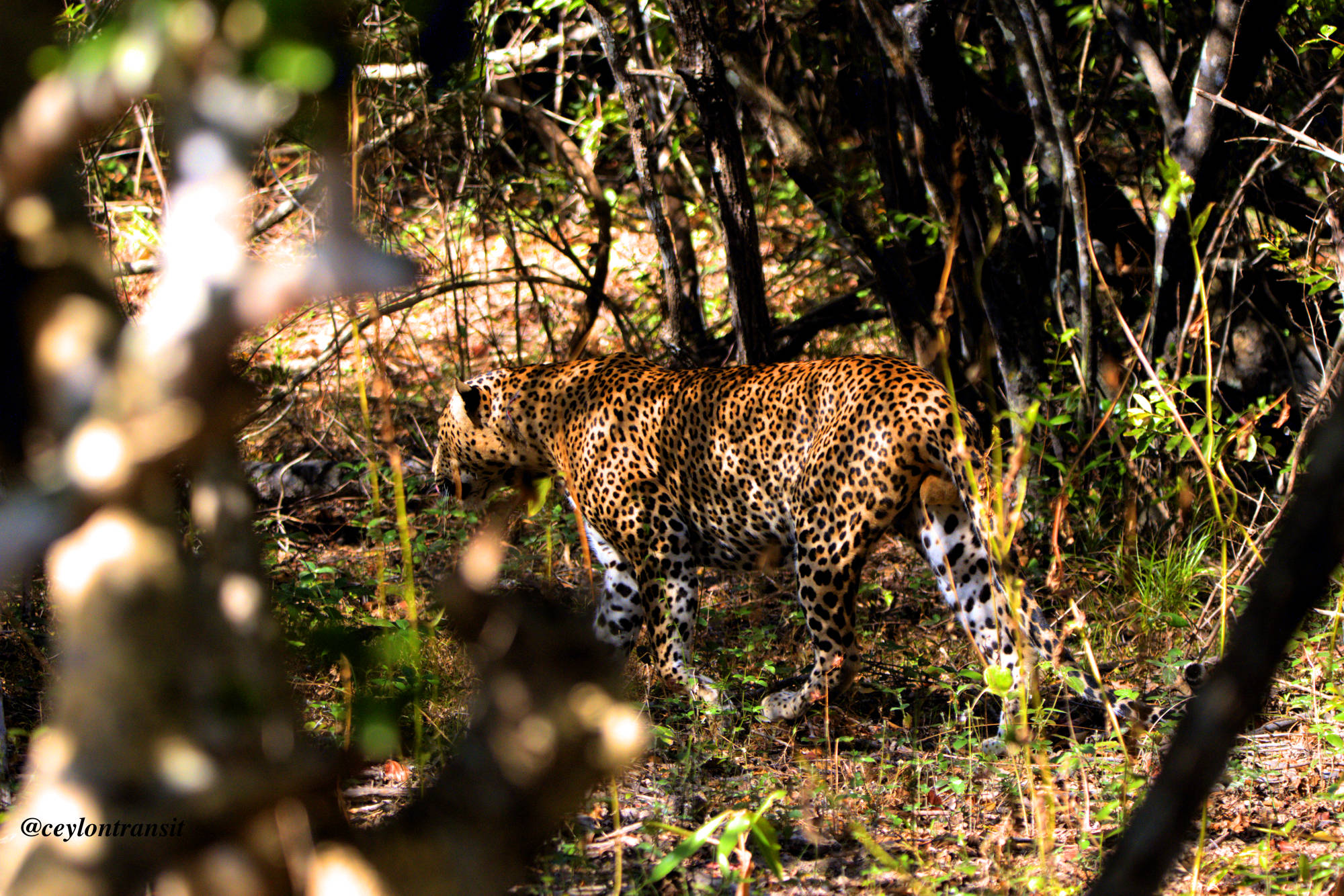
Big male leopard named Baagu (KLM2) walking slowly, Kumana NP, Sri Lanka
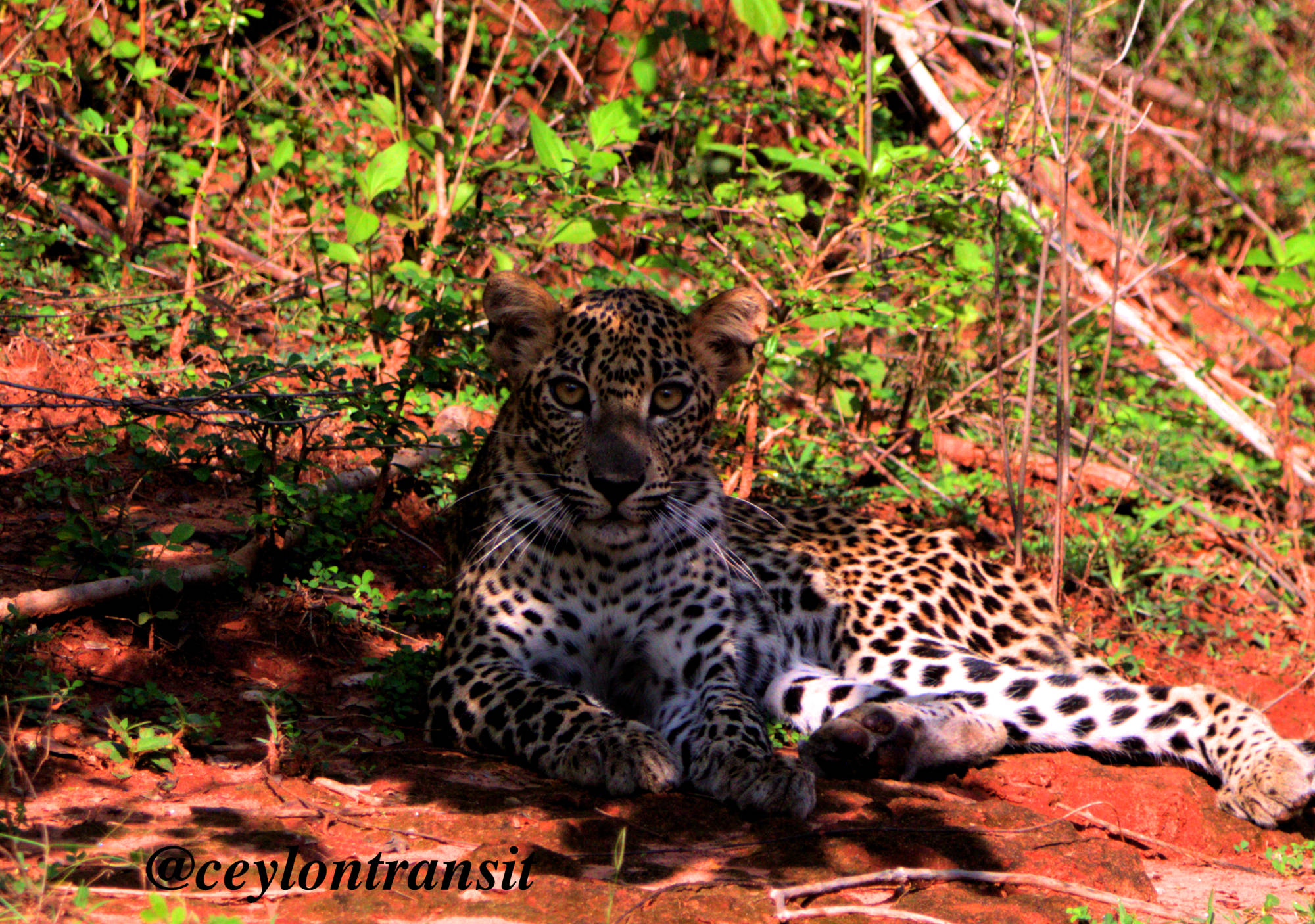
Adorable leopard cub gazing at us, Yala Block V, Sri Lanka
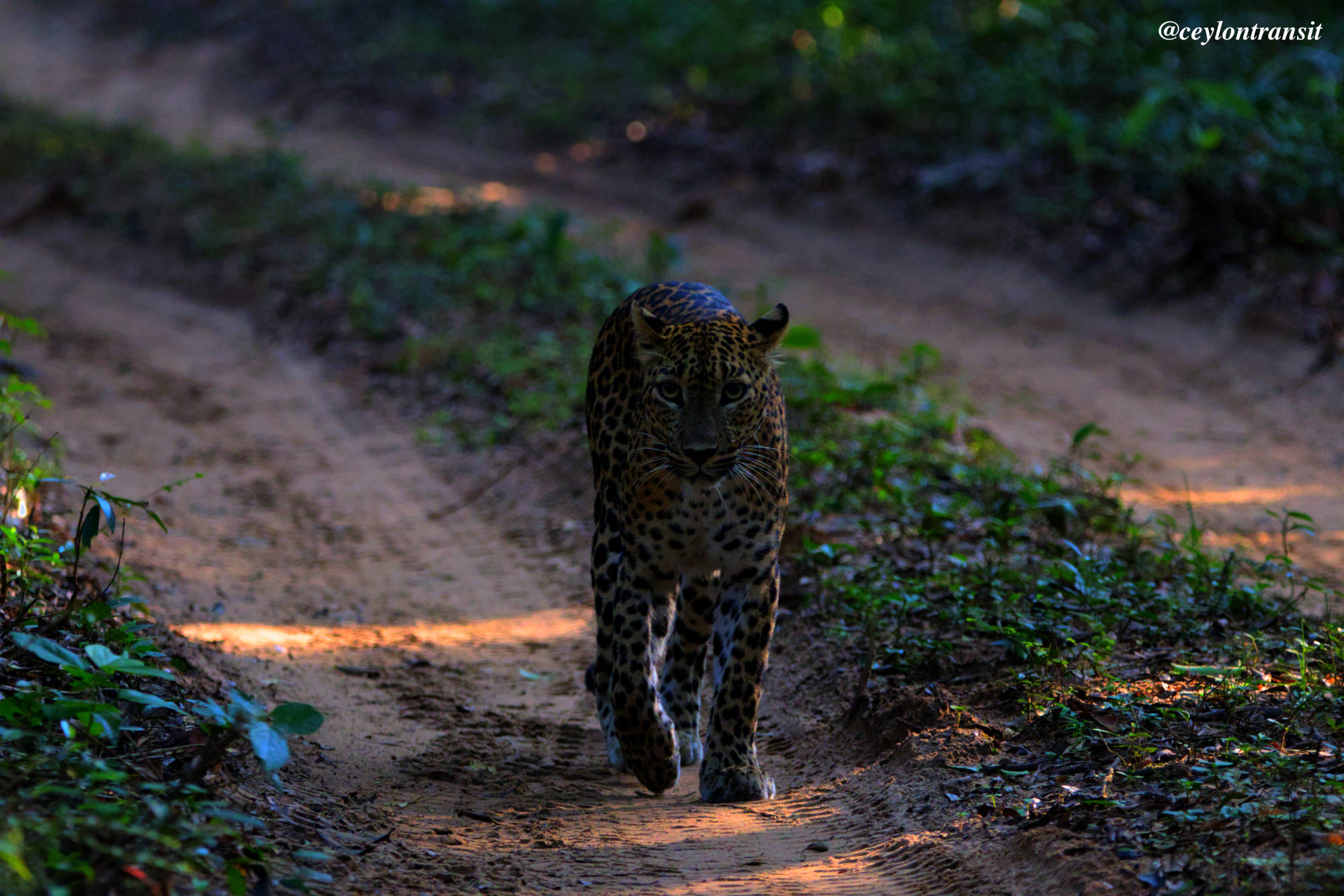
Leopardess at Kuruttupandi marching forward, Wilpattu NP, Sri Lanka
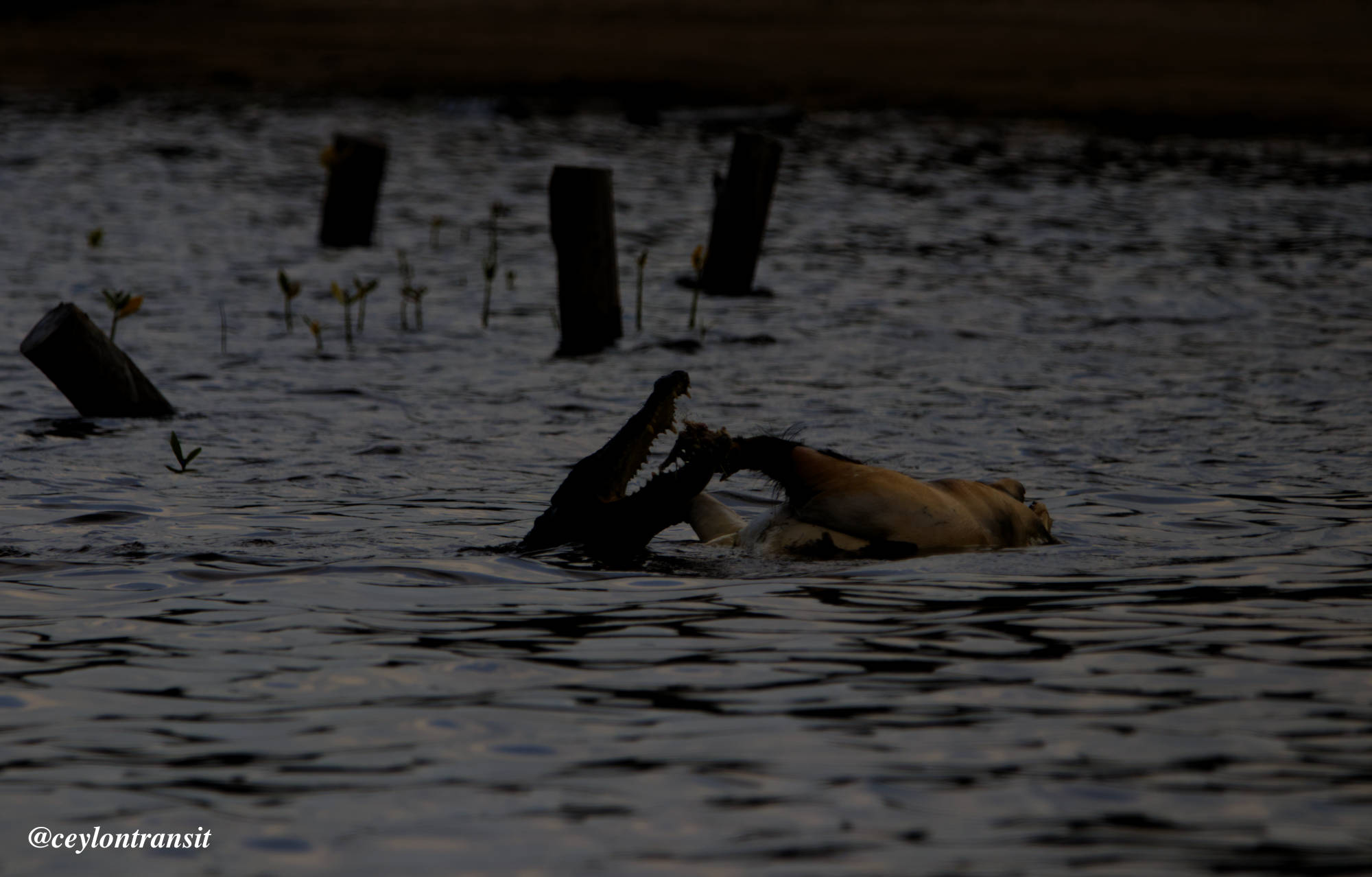
Crocodile eating a wild boar carcass, Wilpattu National Park, Sri Lanka
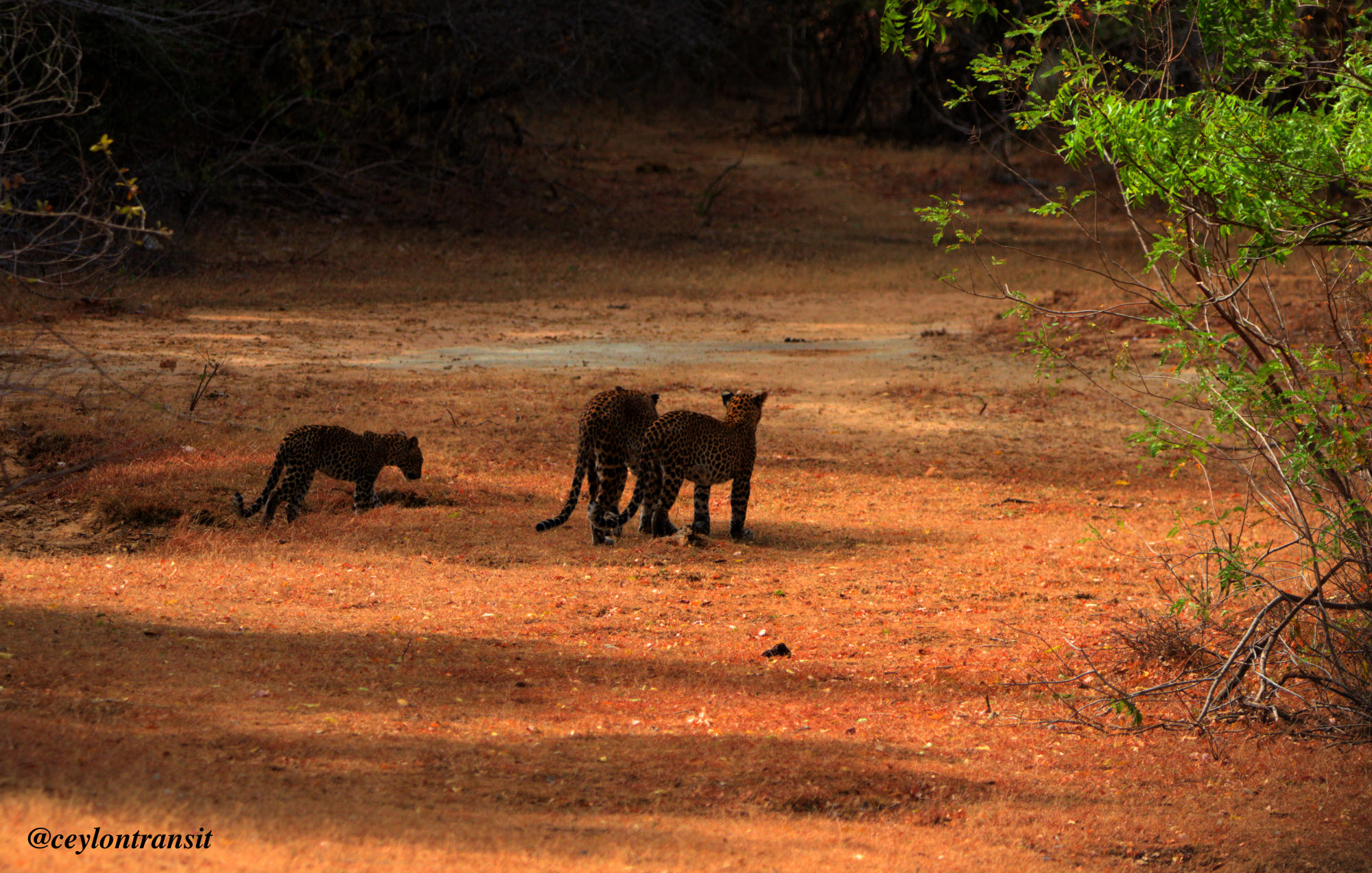
Mother and 2 cubs roaming in the wild, Yala NP, Block V, Sri Lanka
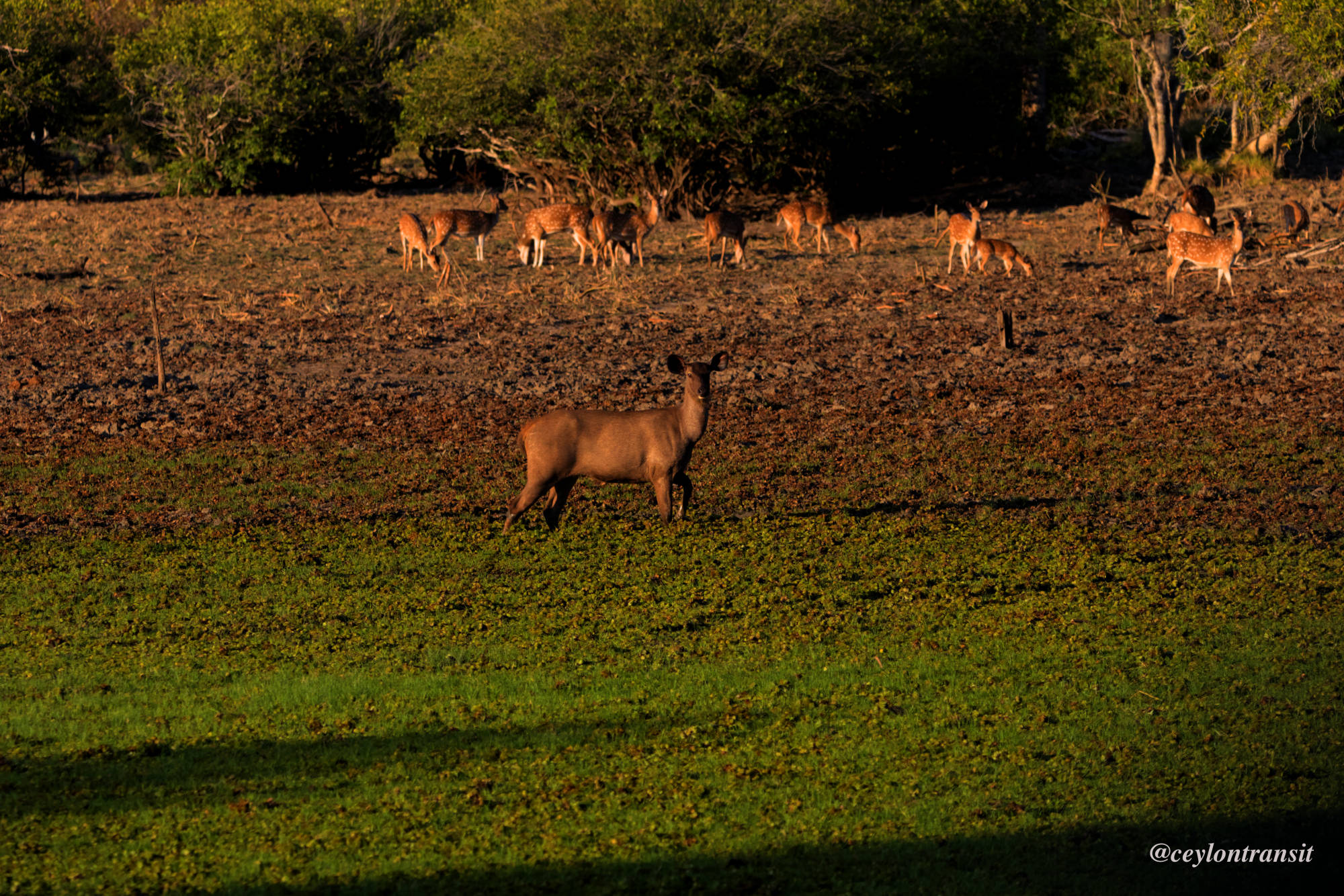
A young sambar deer on alert, Kumana National Park, Sri Lanka
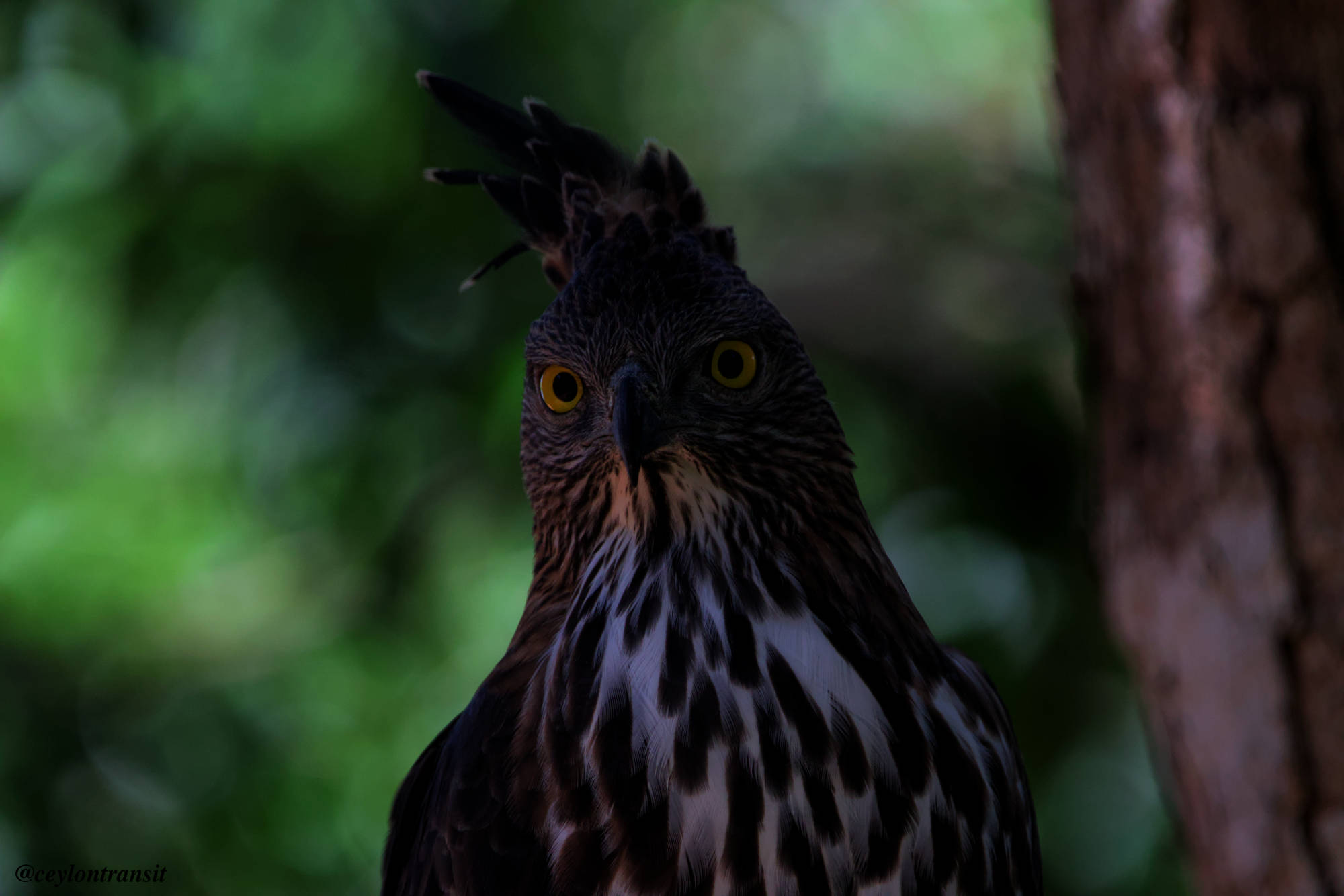
Crested hawk-eagle in Wilpattu National Park, Sri Lanka
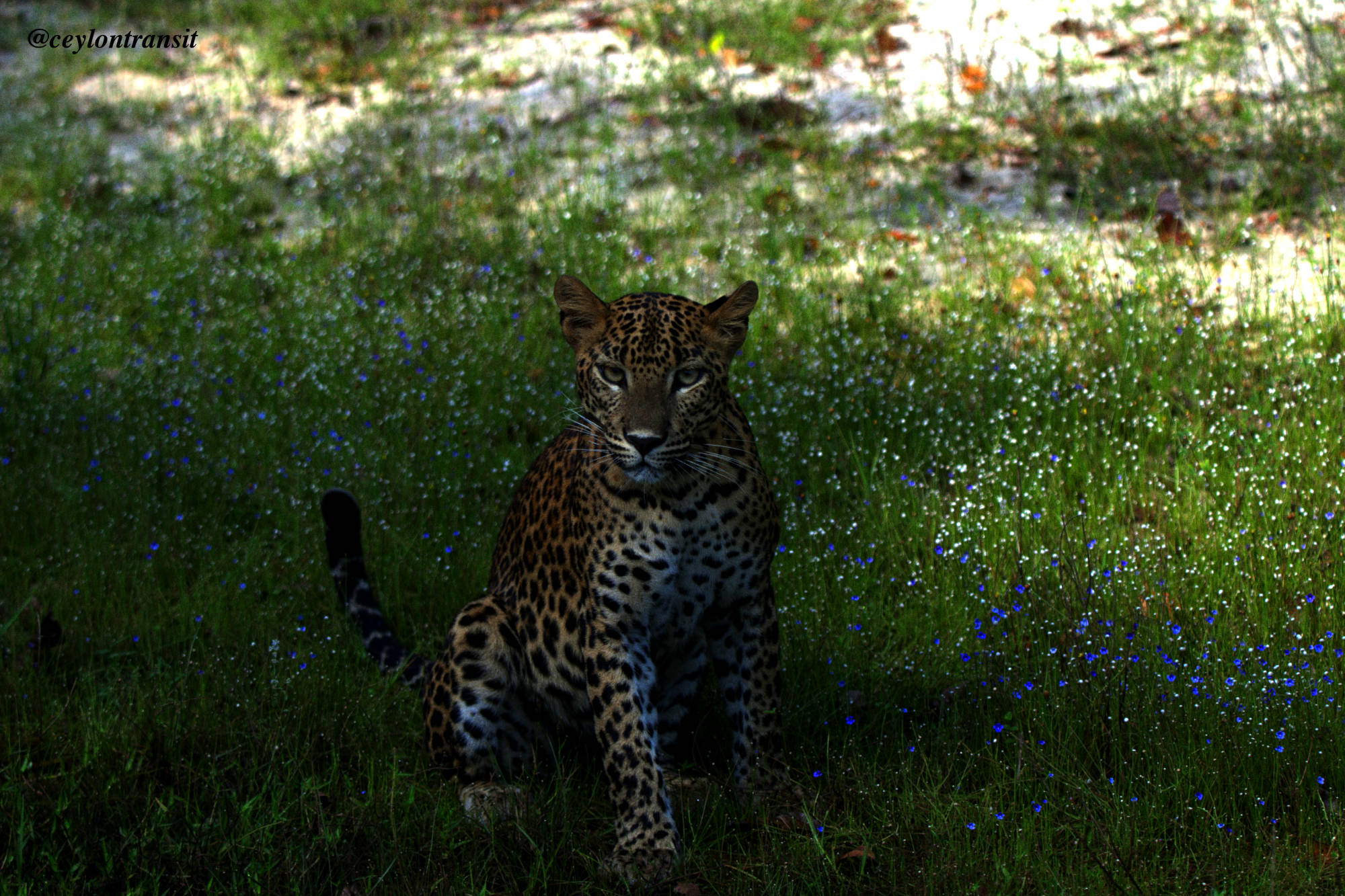
Female Cub with the Morning Flowers, Wilpattu NP
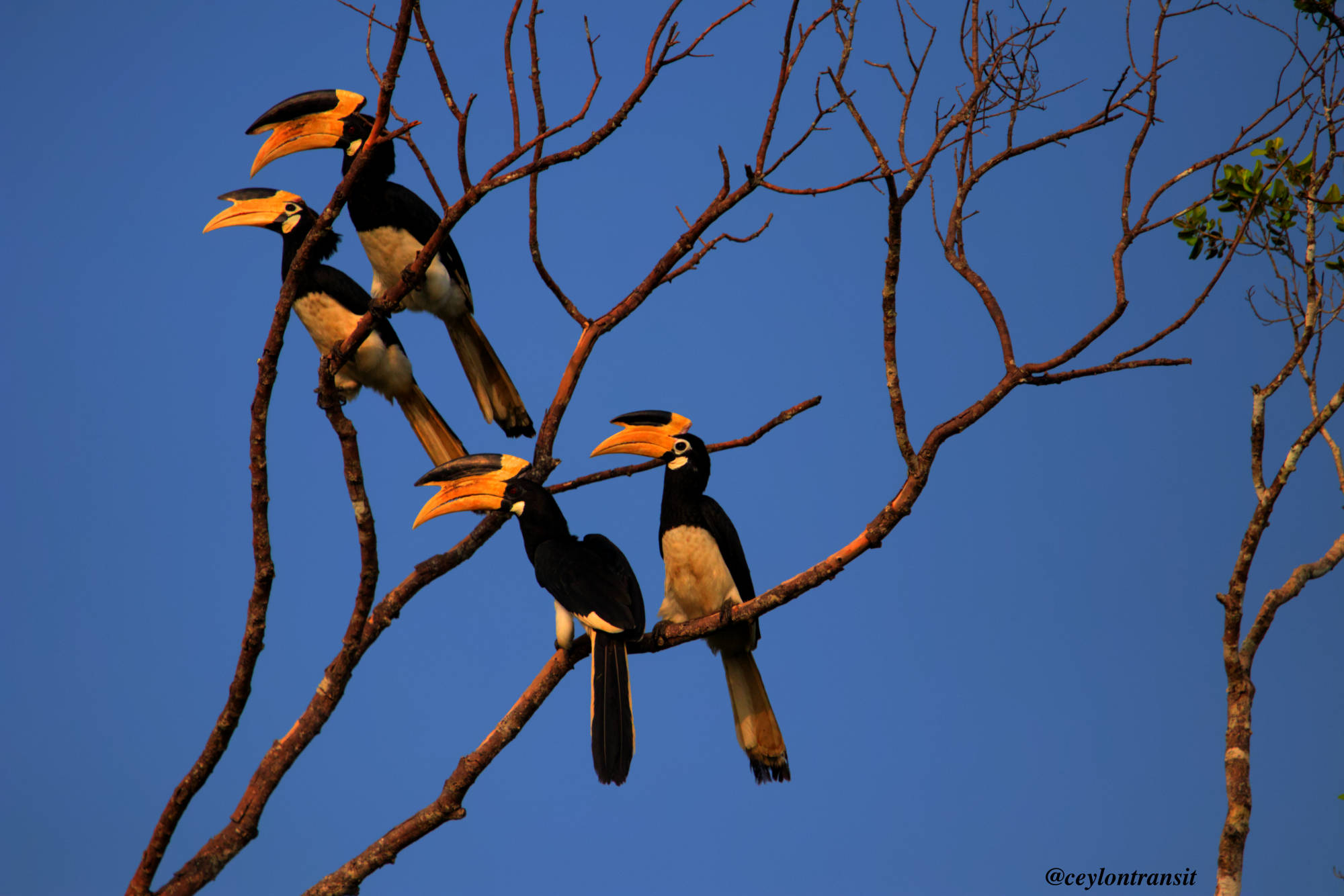
Malabar Pied-Hornbill, Wilpattu National Park, Sri Lanka
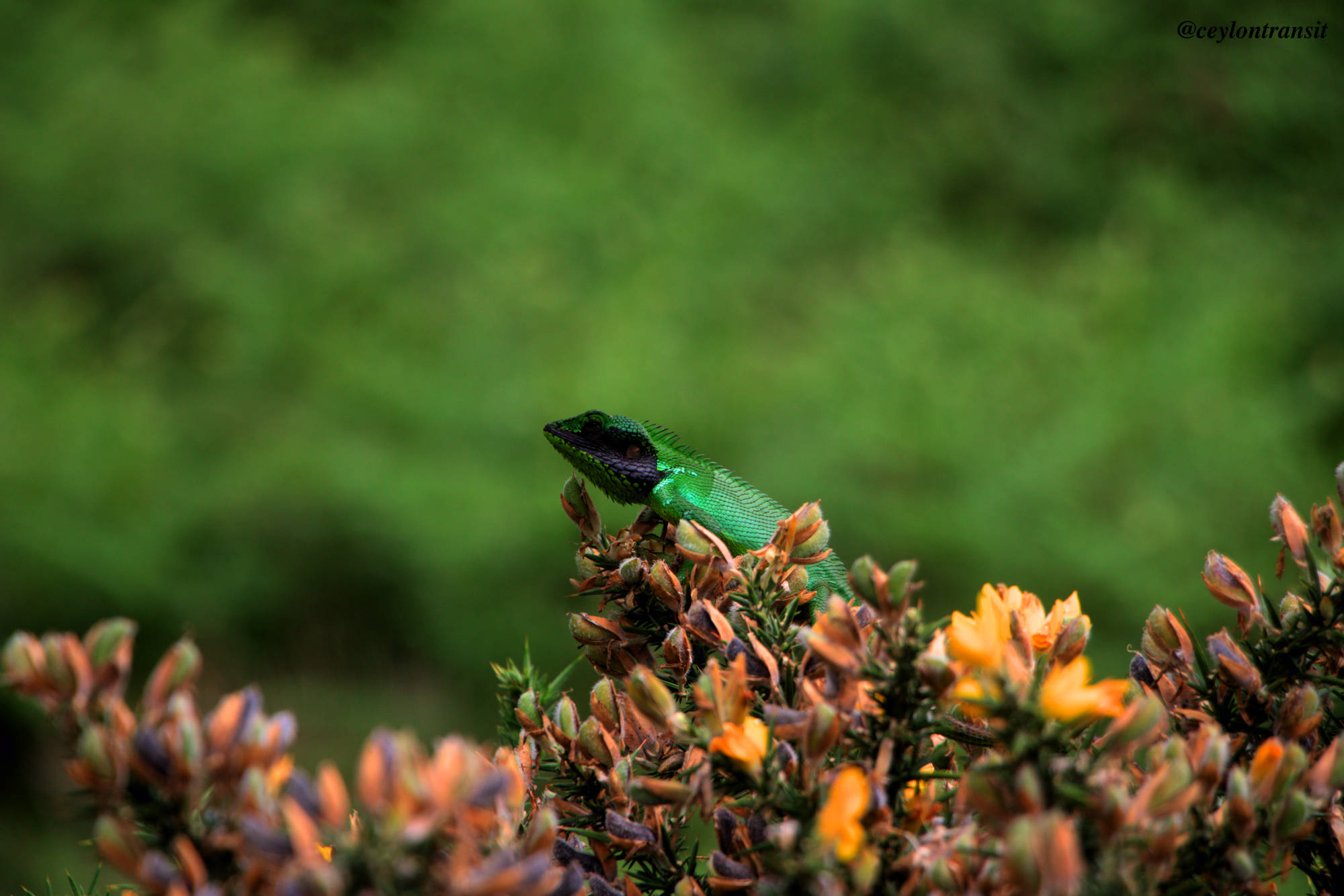
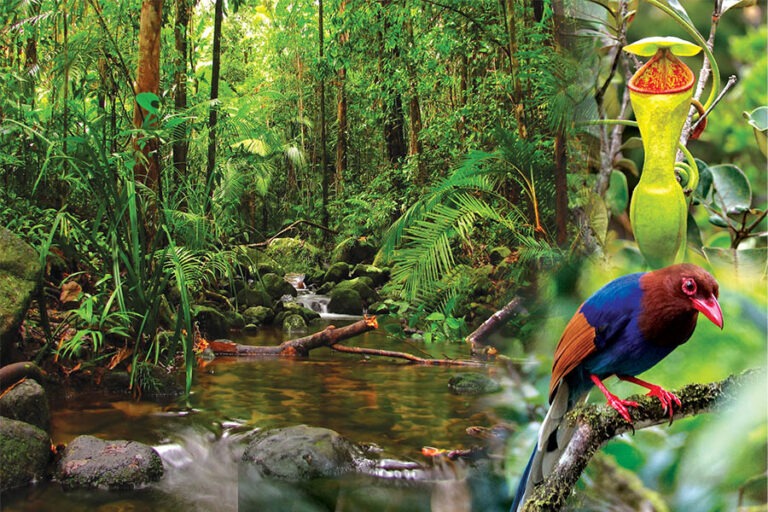
Horton Plains National Park, Sri Lanka is home to lots of Lizards
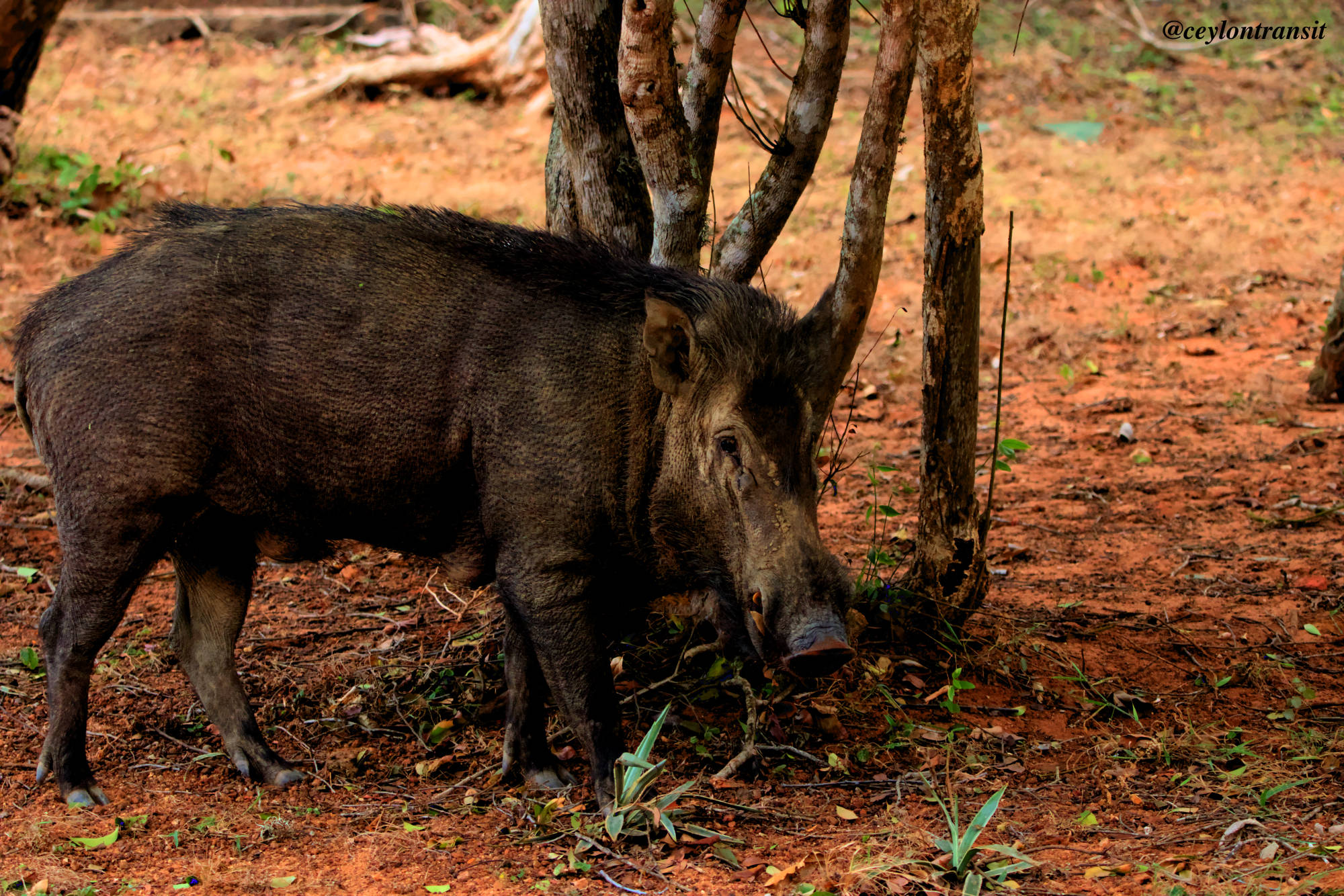
Grown up wild boar in Yala National Park, Sri Lanka
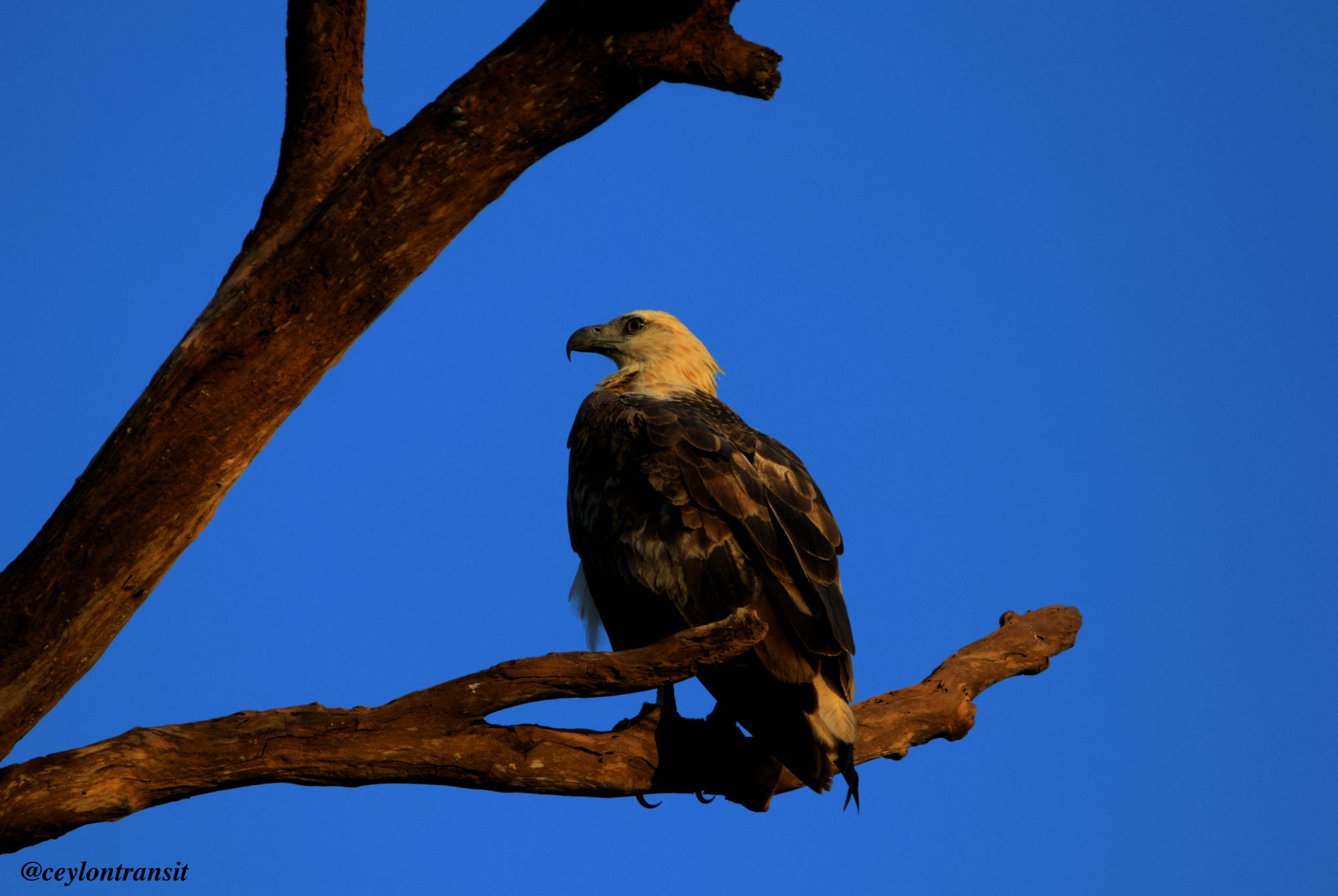
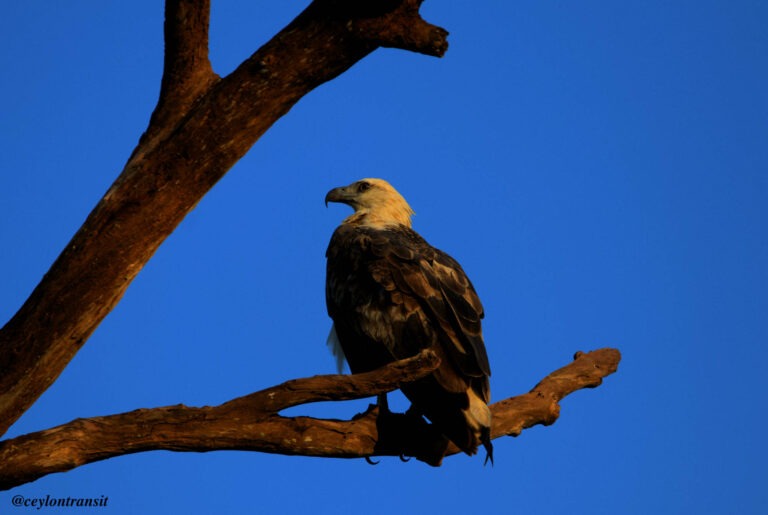
White-bellied sea eagle in Wilpattu National Park, Sri Lanka
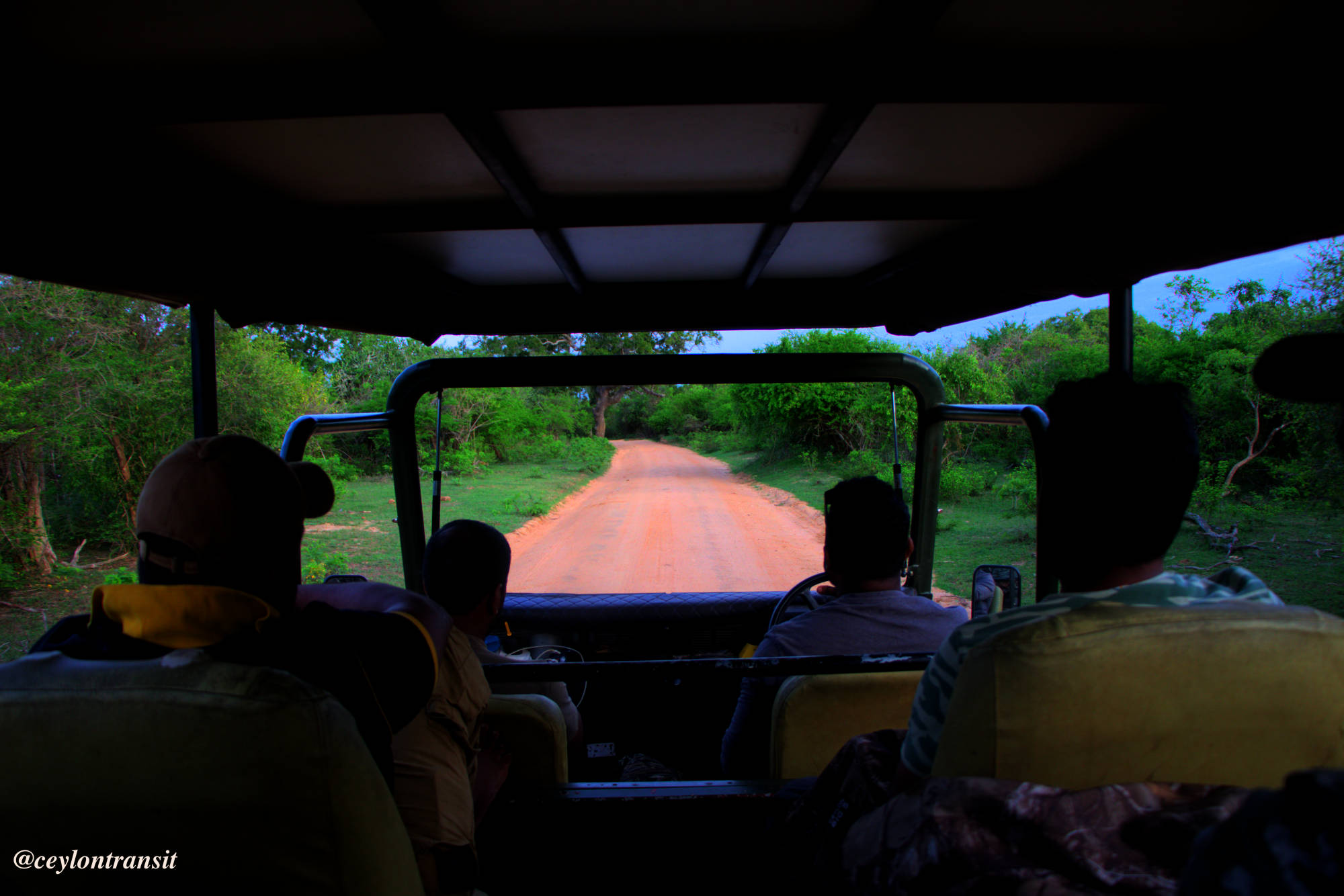
Safari jeep designed for photographers, Yala, Sri Lanka
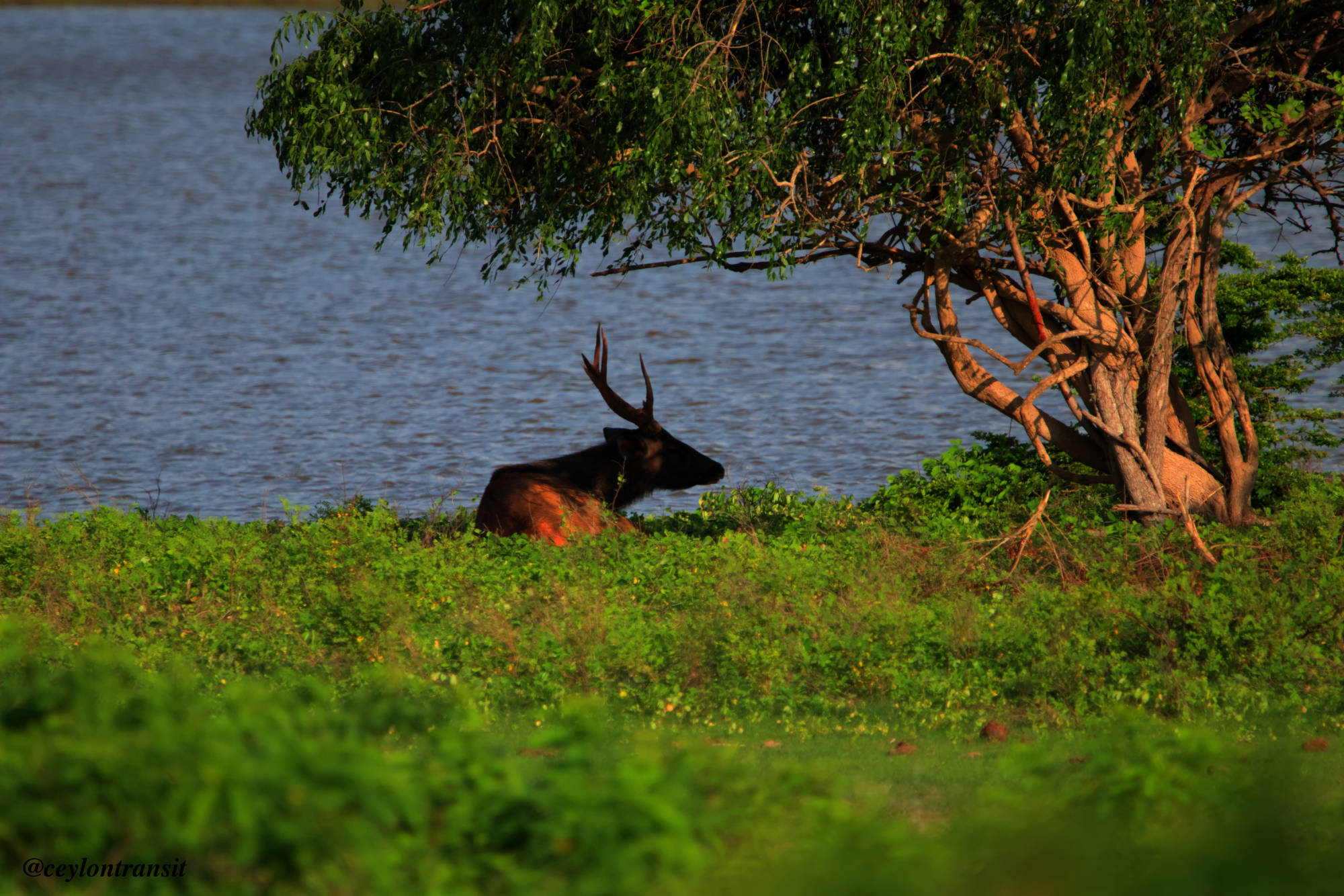
Sambar deer in Yala National Park, Sri Lanka
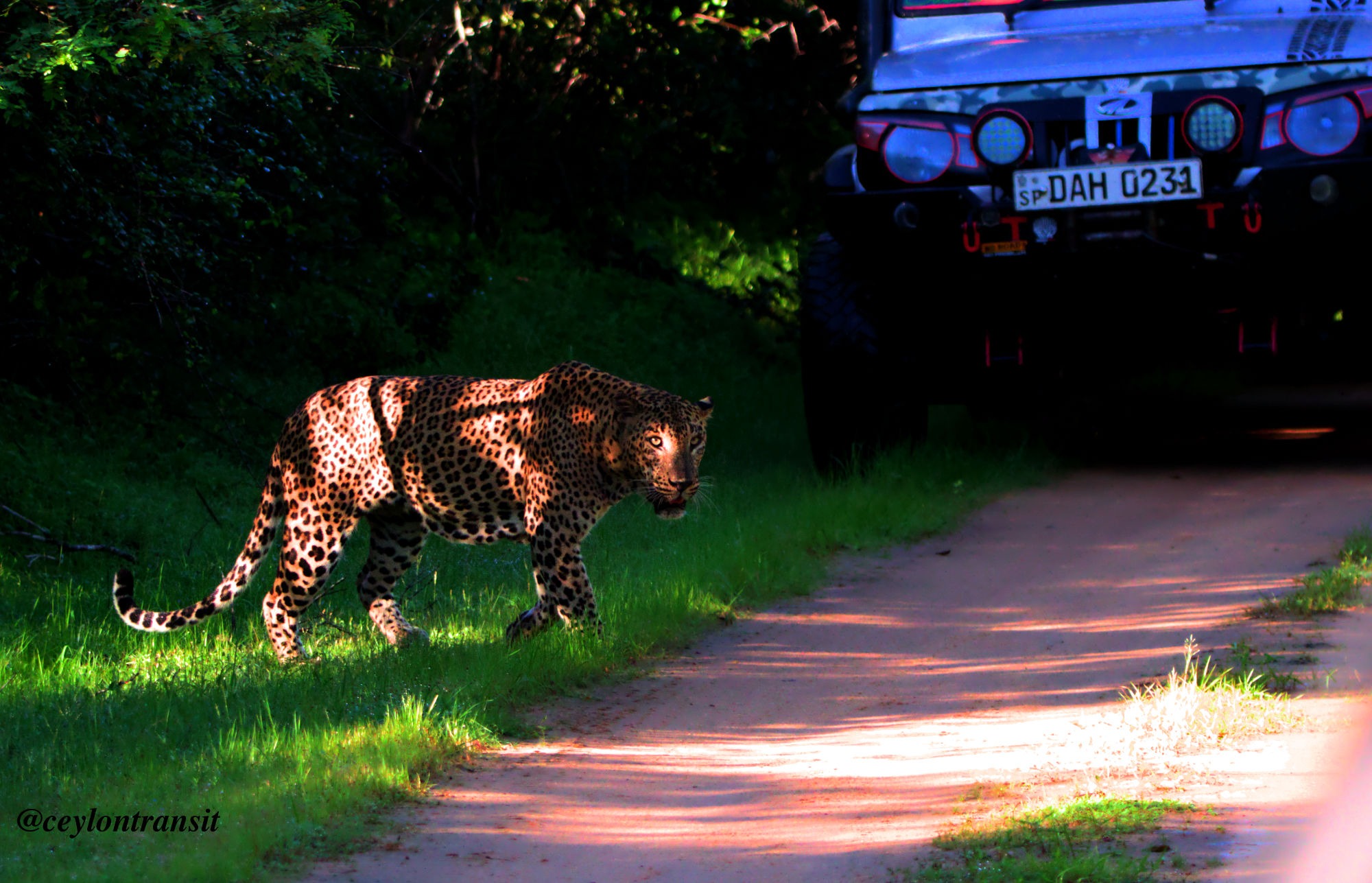
Big male leopard, Jerry (YM44), Yala National Park, Sri Lanka
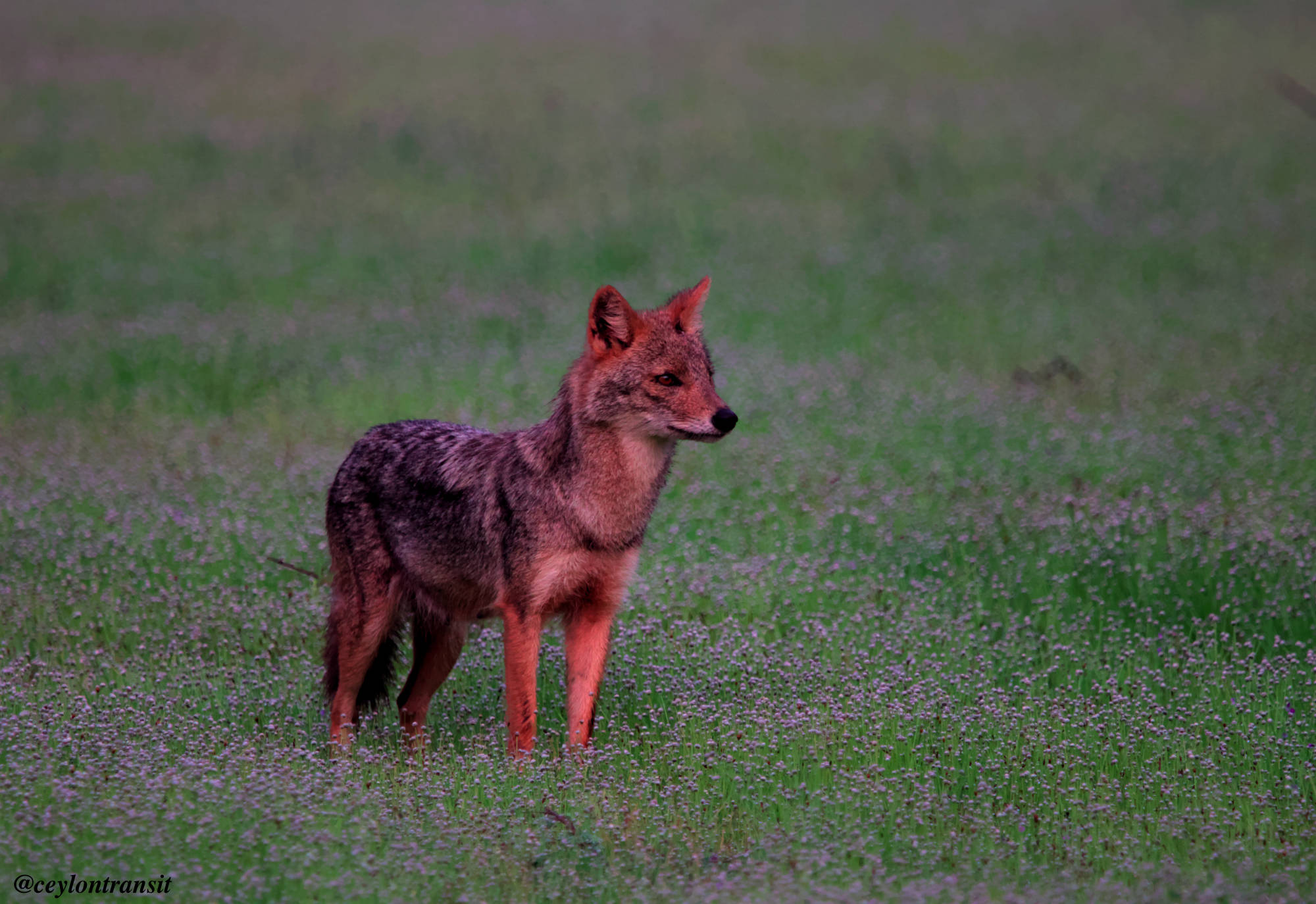
Curious Sri Lankan Jackal in Wilpattu National Park, Sri Lanka
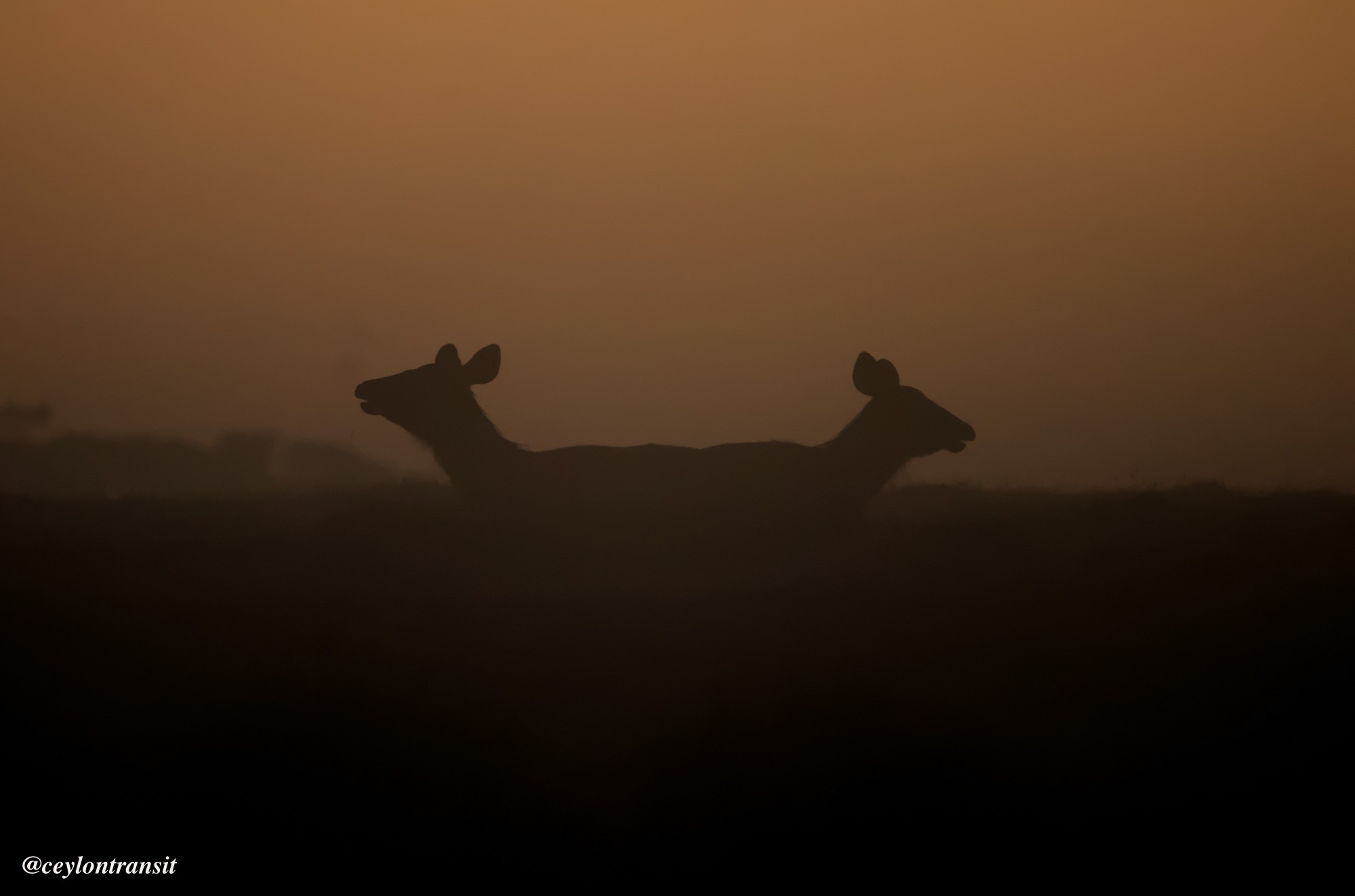
Pair of sambar deers resting in Horton Plains, Sri Lanka
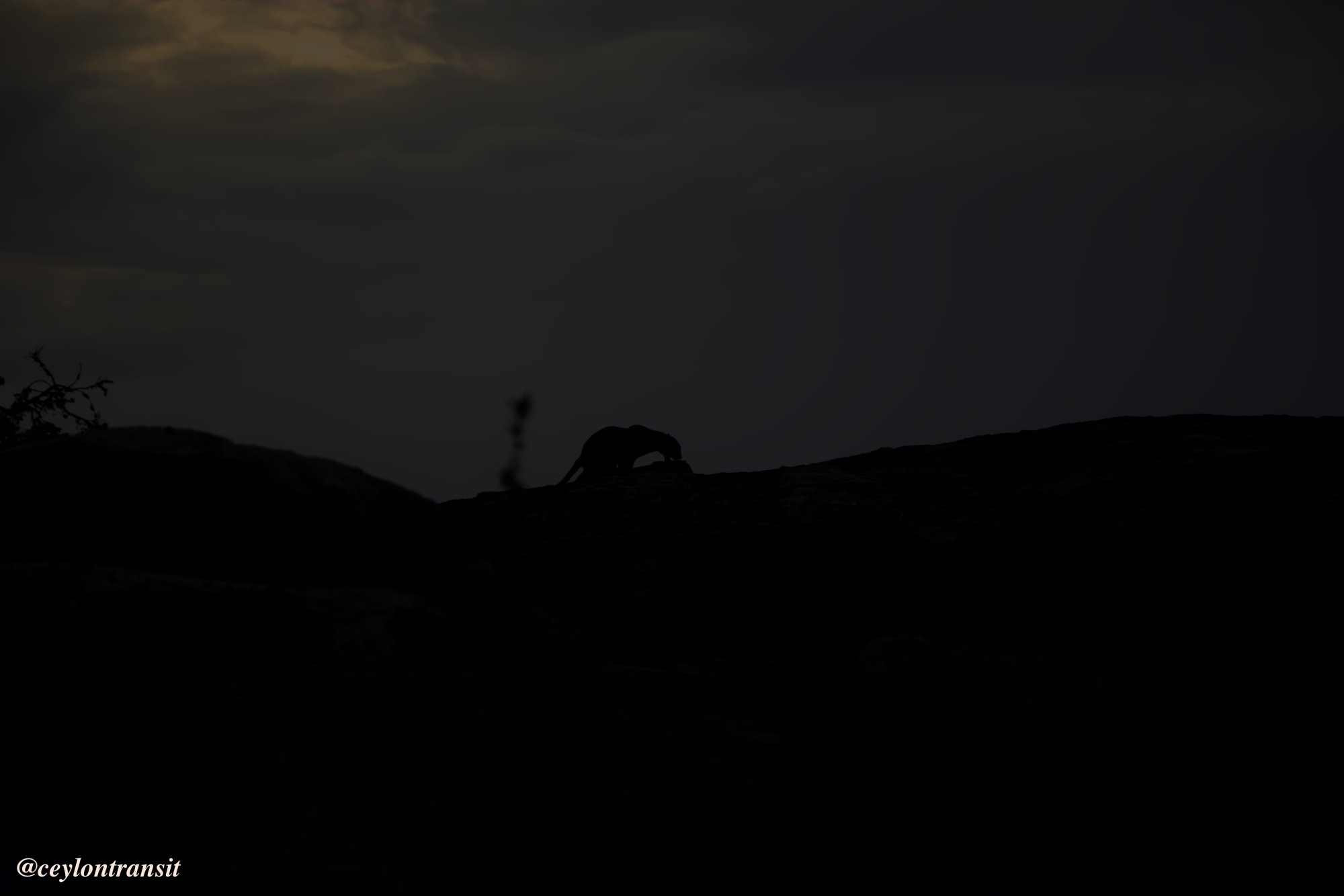
Rare leopard mating sighting in Yala National Park, Sri Lanka
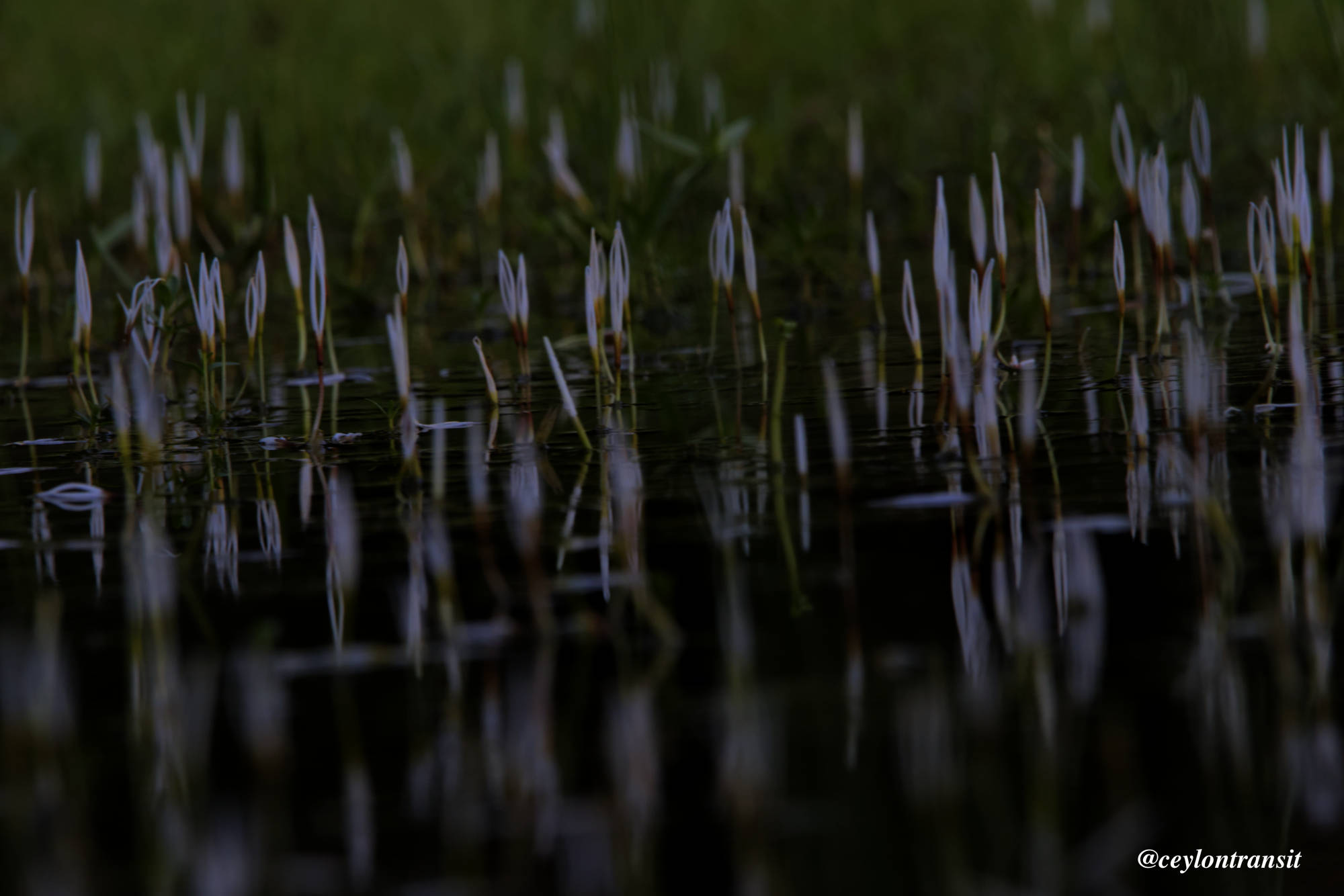
Wilpattu National park, Sri Lanka is full of lakes with a diverse ecosystem
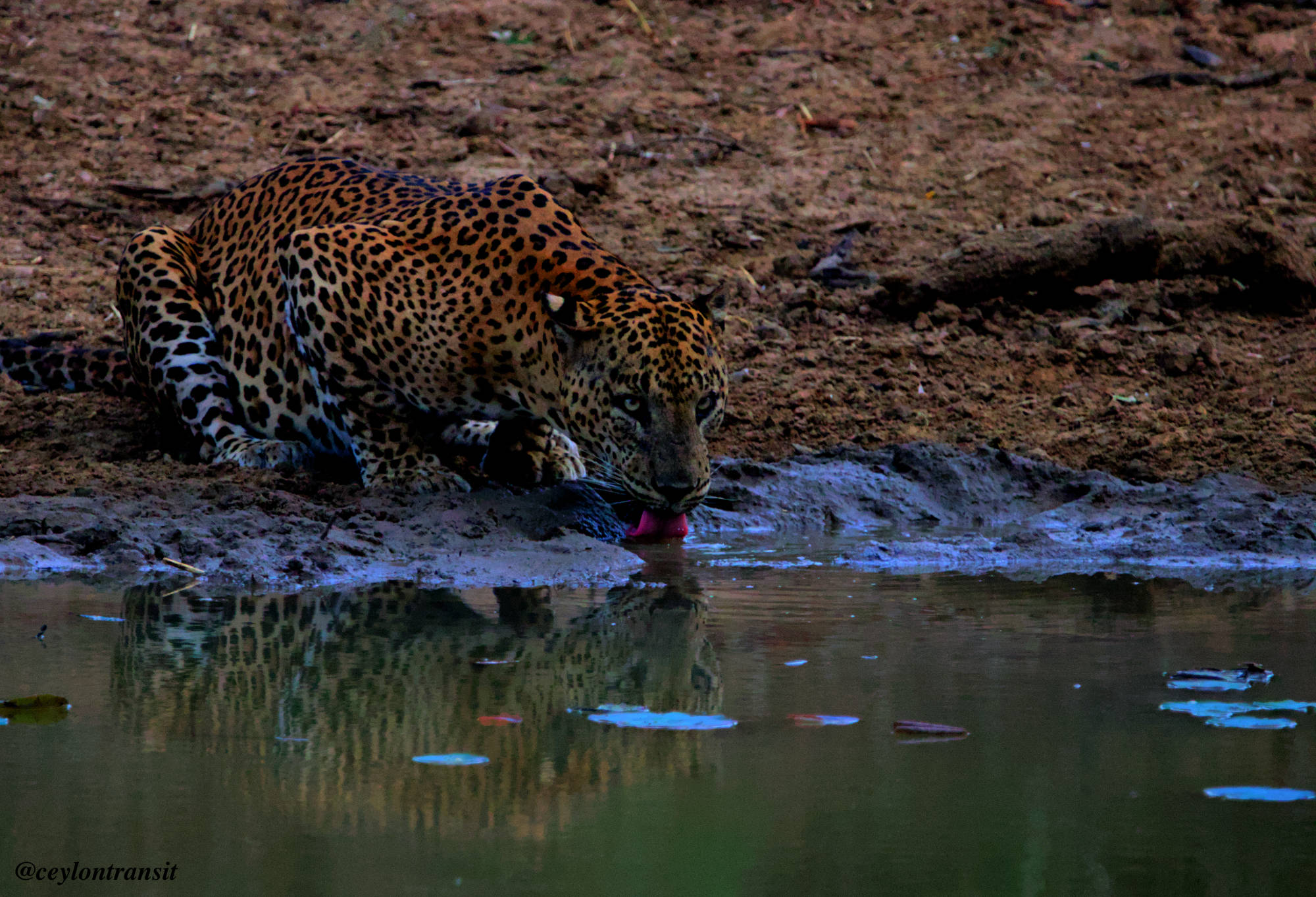
Big male leopard, Lucas (YM16), in Yala, Sri Lanka

Leopard cub resting after a heavy meal, Yala NP, Block V, Sri Lanka
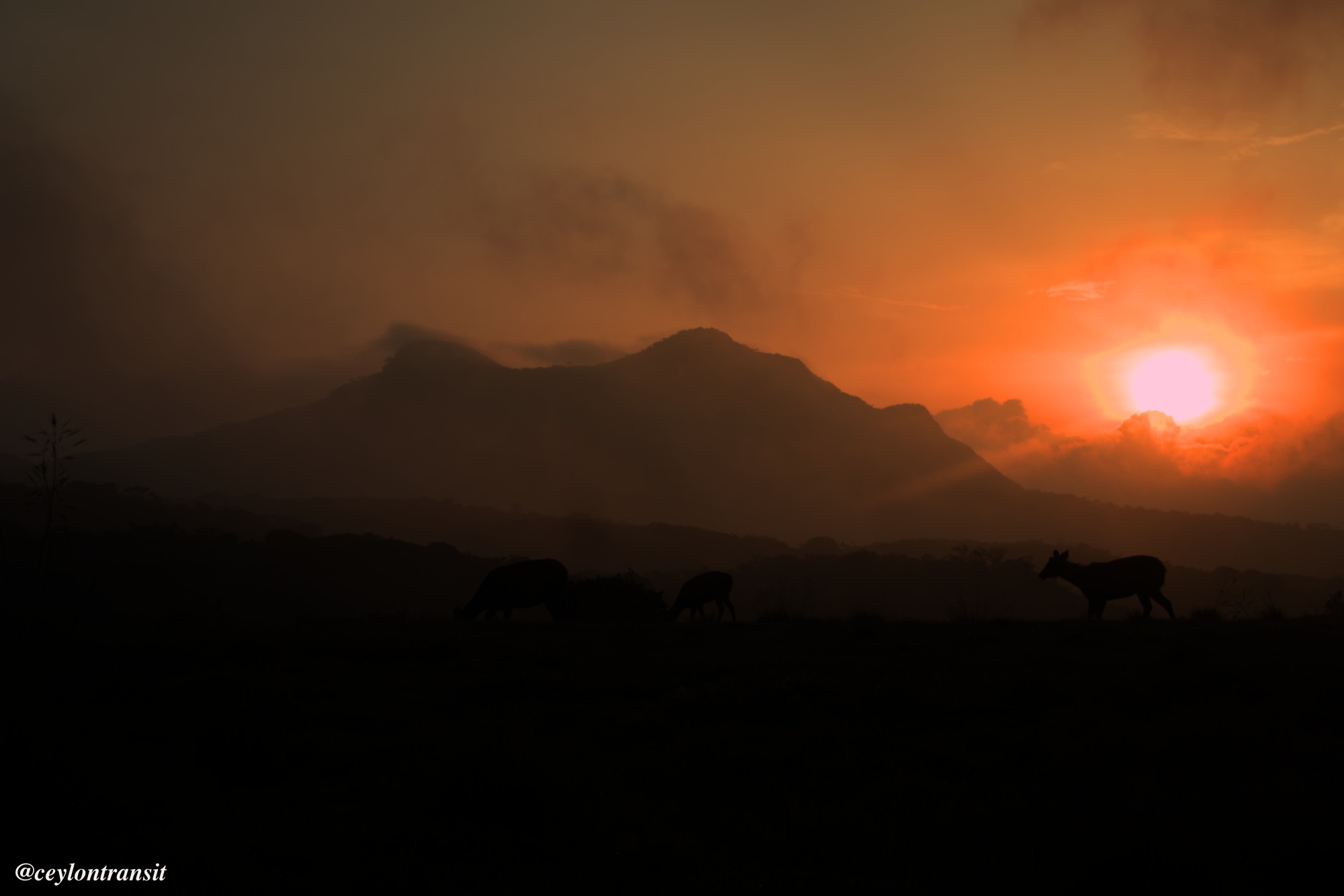
Sambar deers walking under Horton plains sun rise
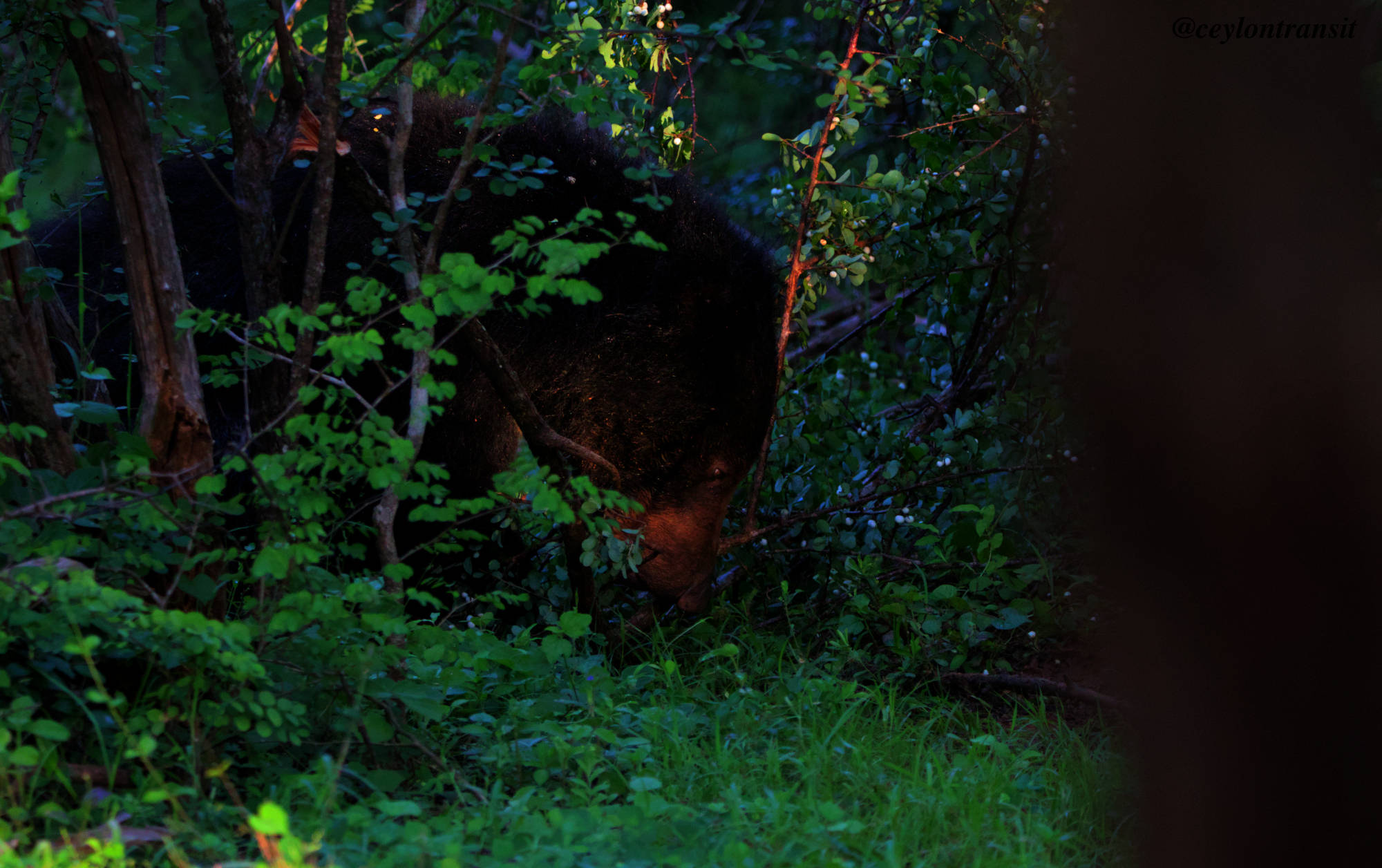
Hungry Sri Lankan sloth bear, Yala National Park, Sri Lanka
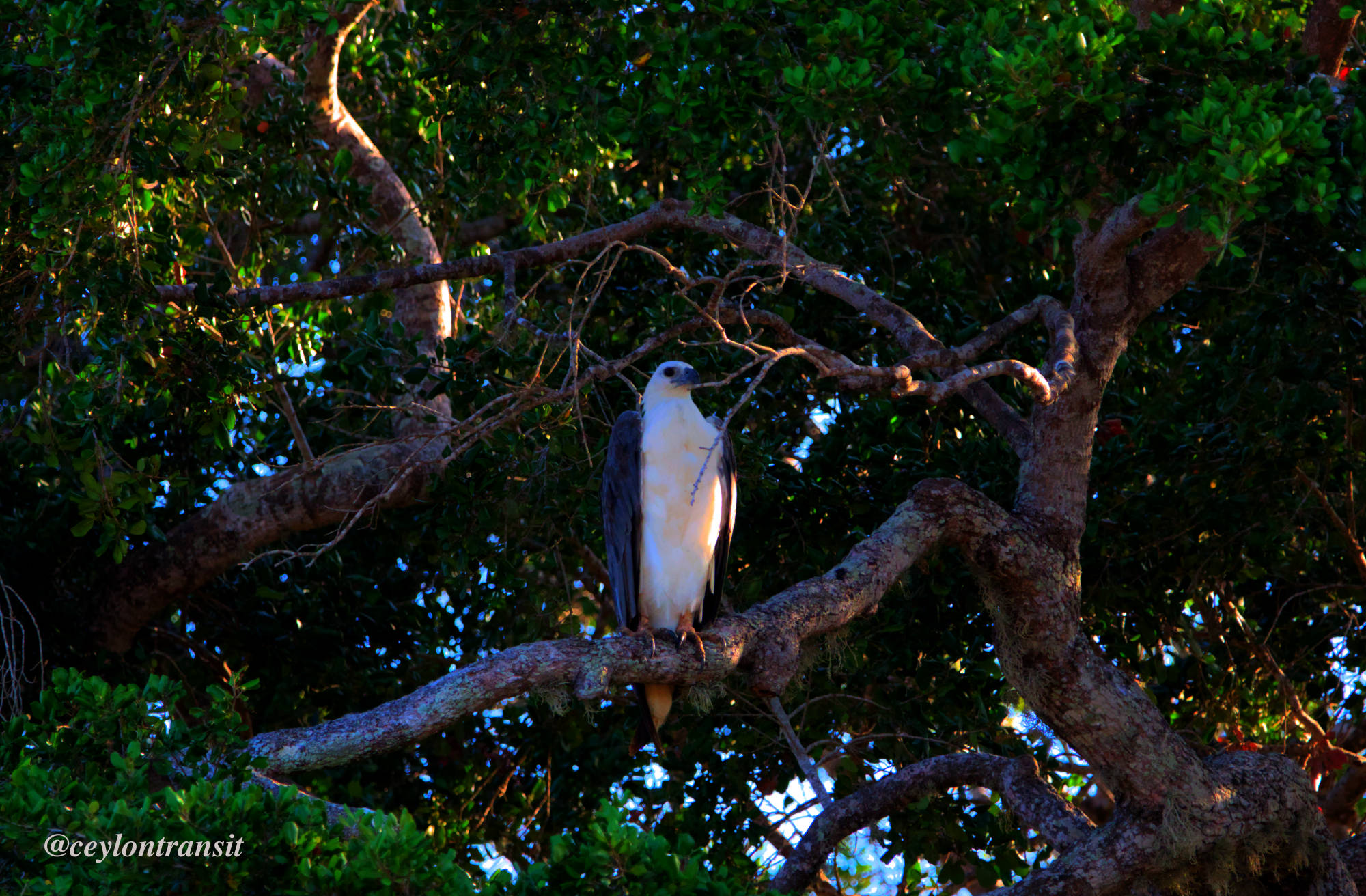
White-bellied sea eagle waiting for a hunt, Kumana NP, Sri Lanka
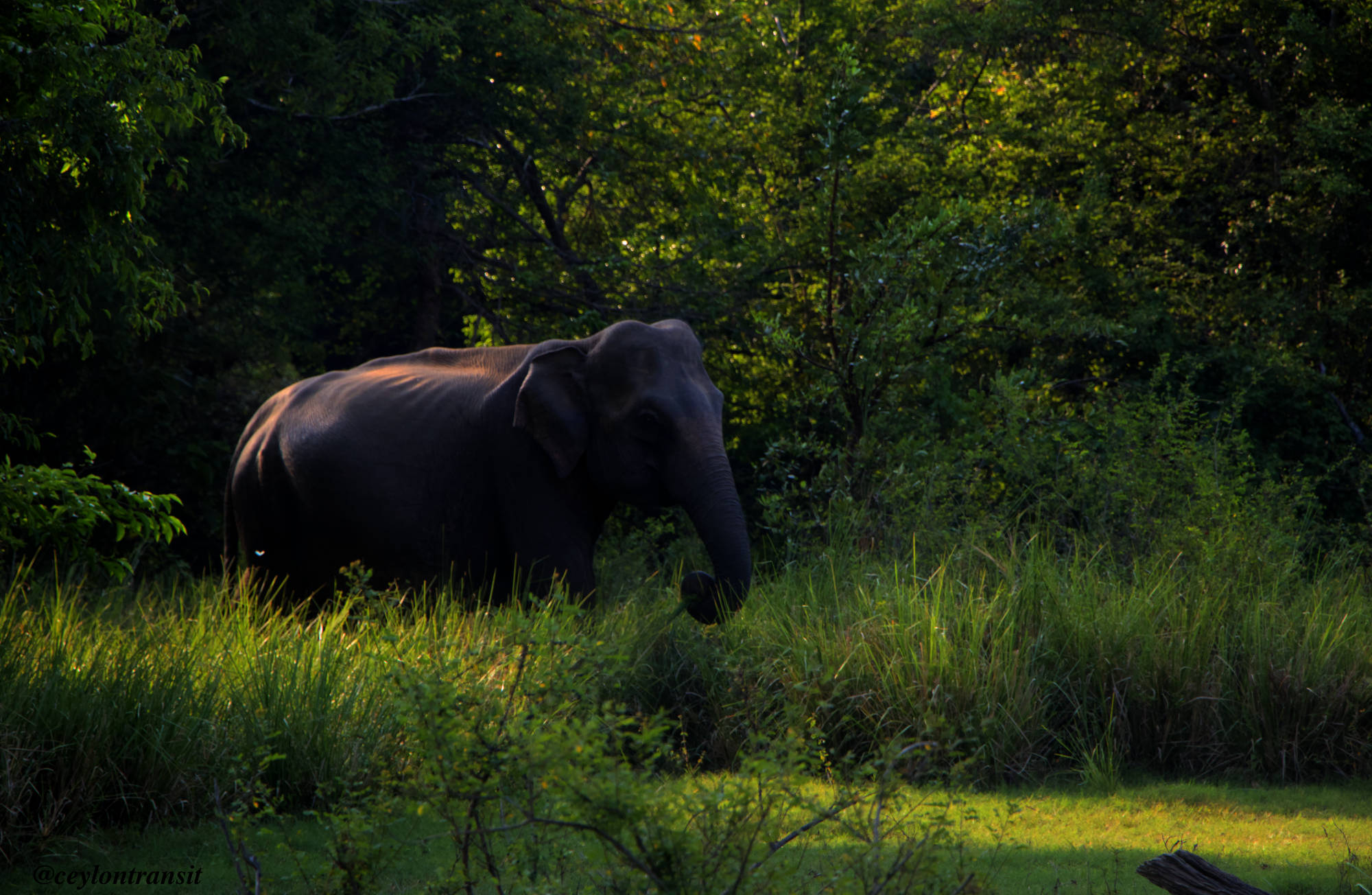
Lone elephant at sunset in Minneriya National Park
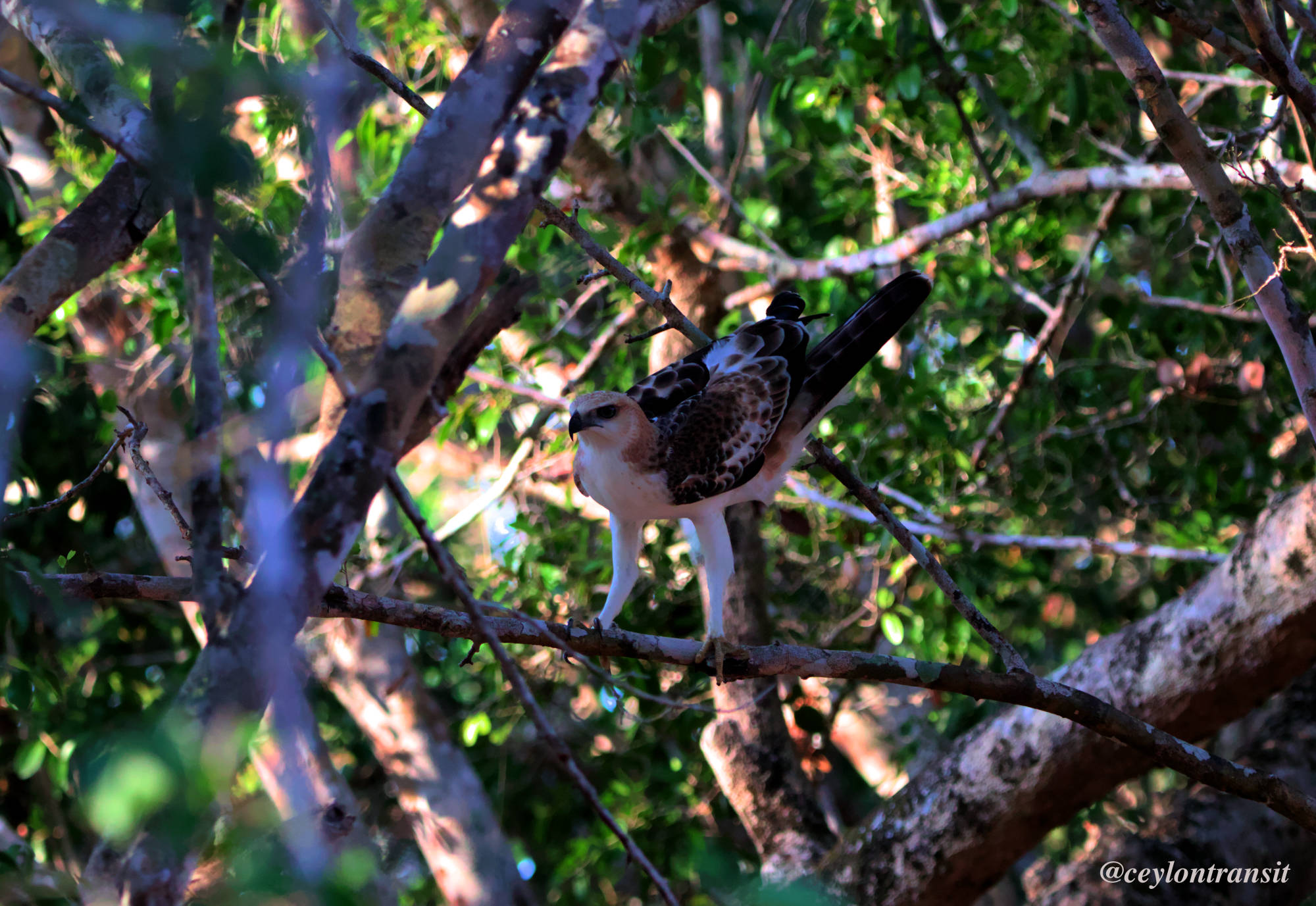
Eagle about to take off, Kumana National Park, Sri Lanka
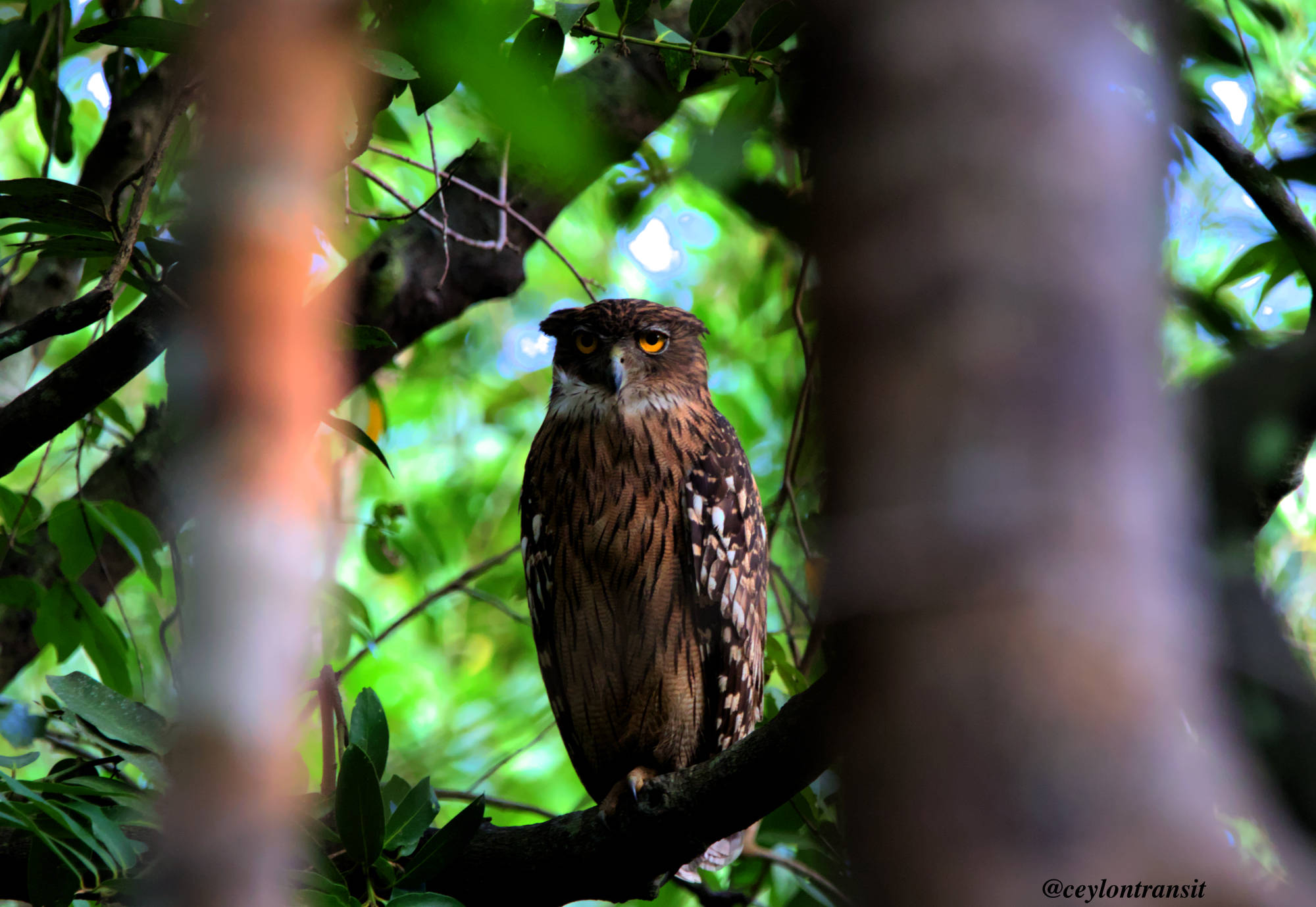
Brown fish owl through the trees, Wilpattu NP, Sri Lanka
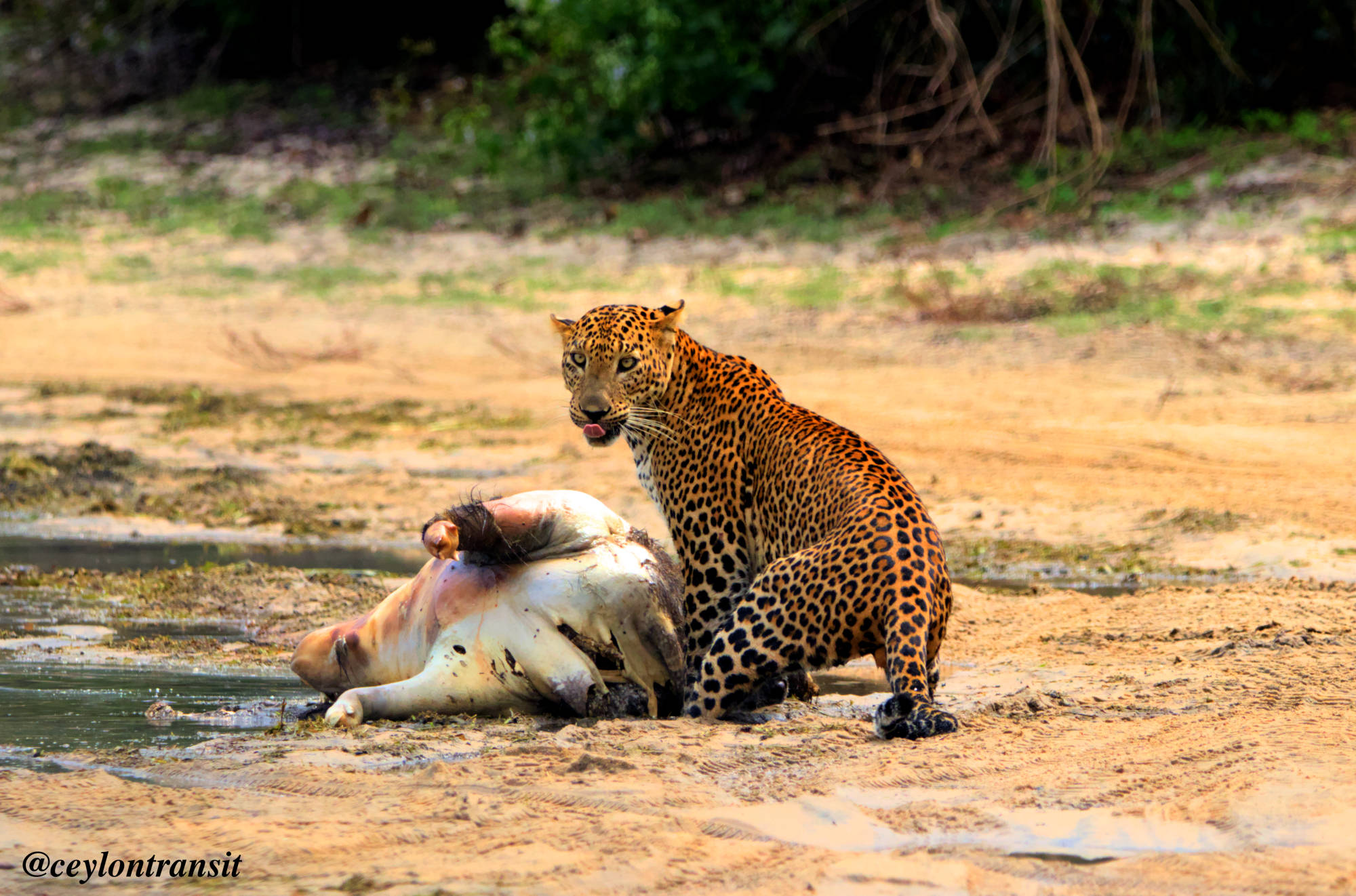
Leopard with a wild boar carcass in Wilpattu NP, Sri Lanka
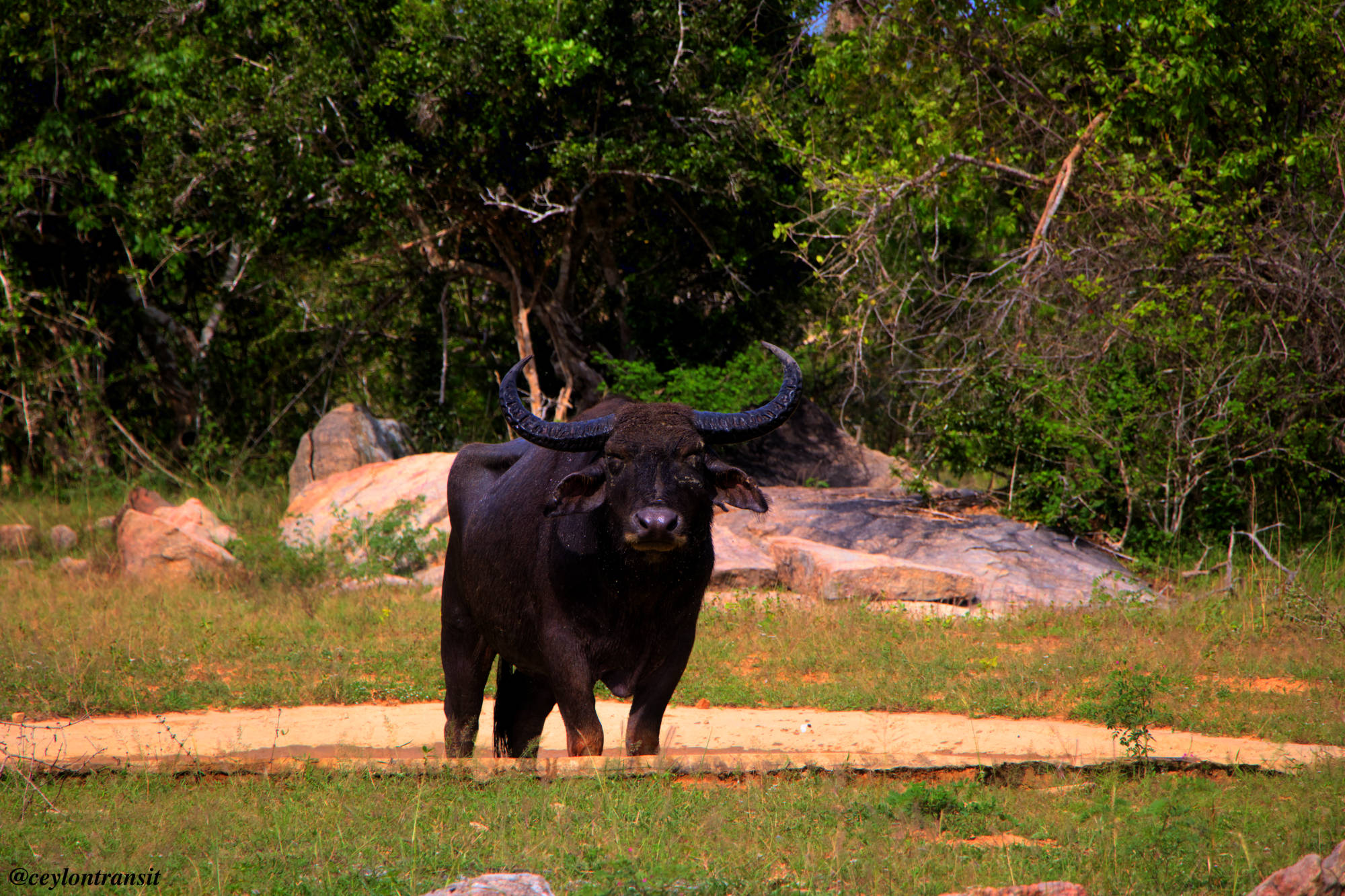
Wild water buffalo in Yala National Park, Sri Lanka
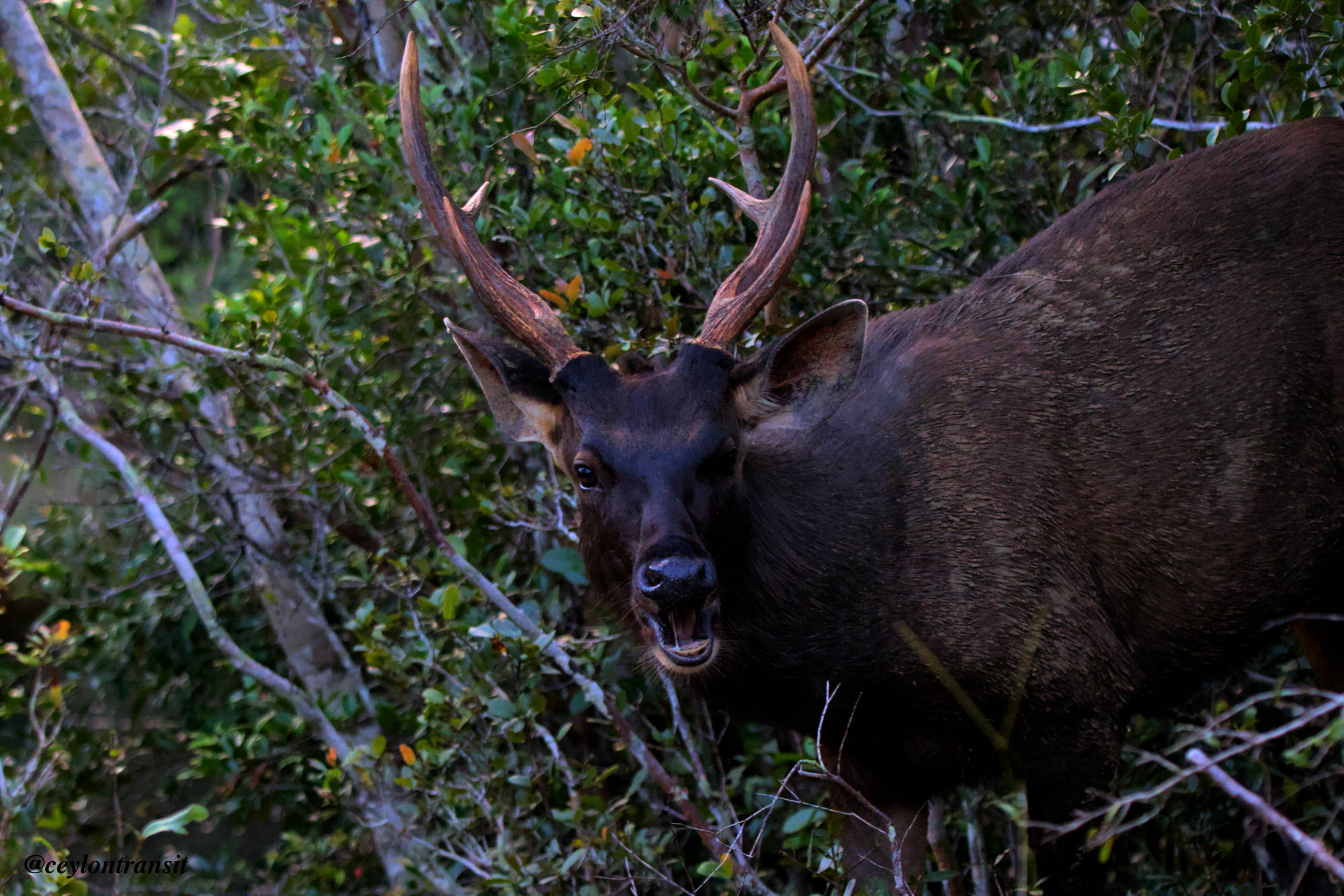
Sambar deers can be rarely seen in Wilpattu National Park, Sri Lanka
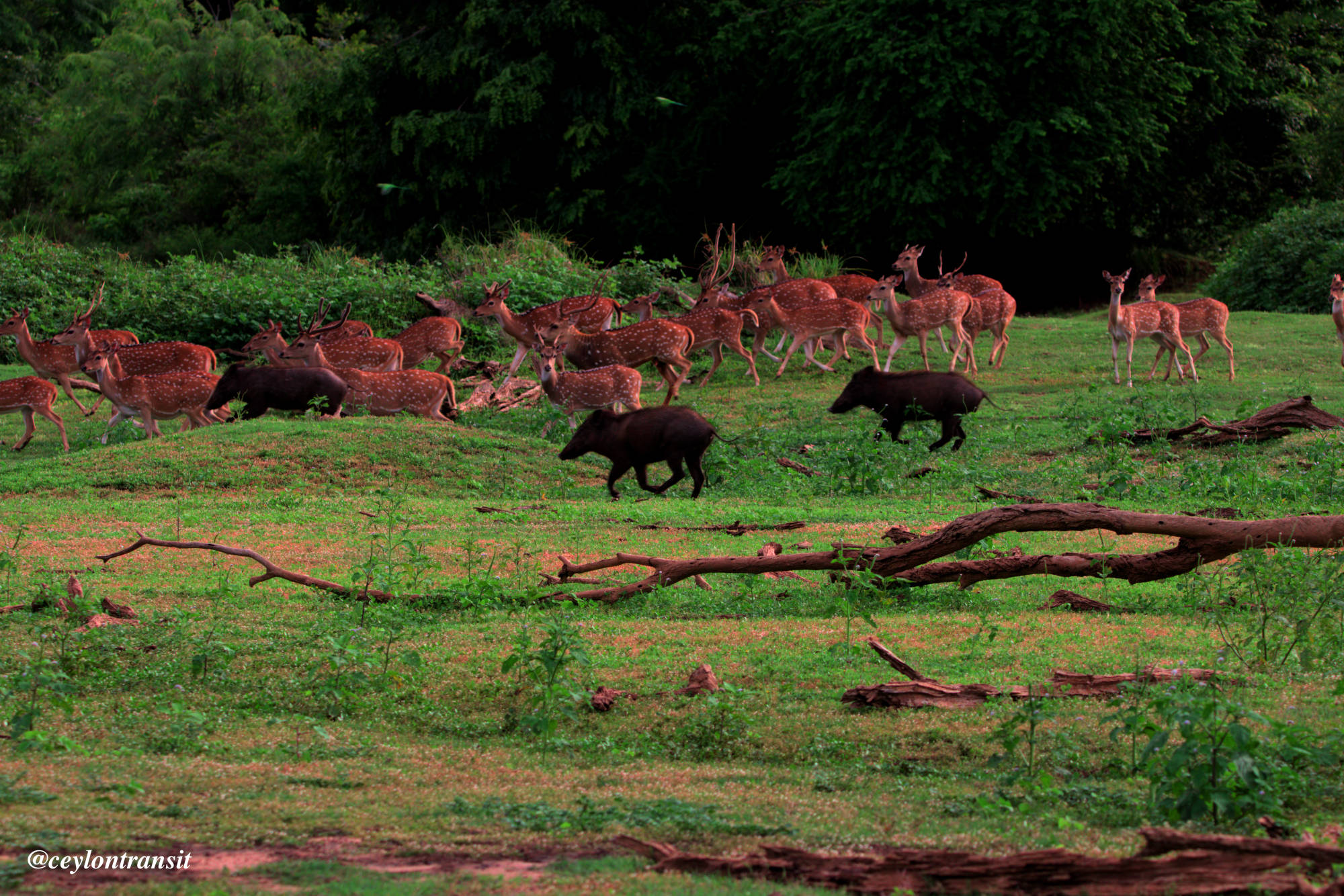
Some urgency for spotted deers and wild boars, Yala NP, Block V, Sri Lanka
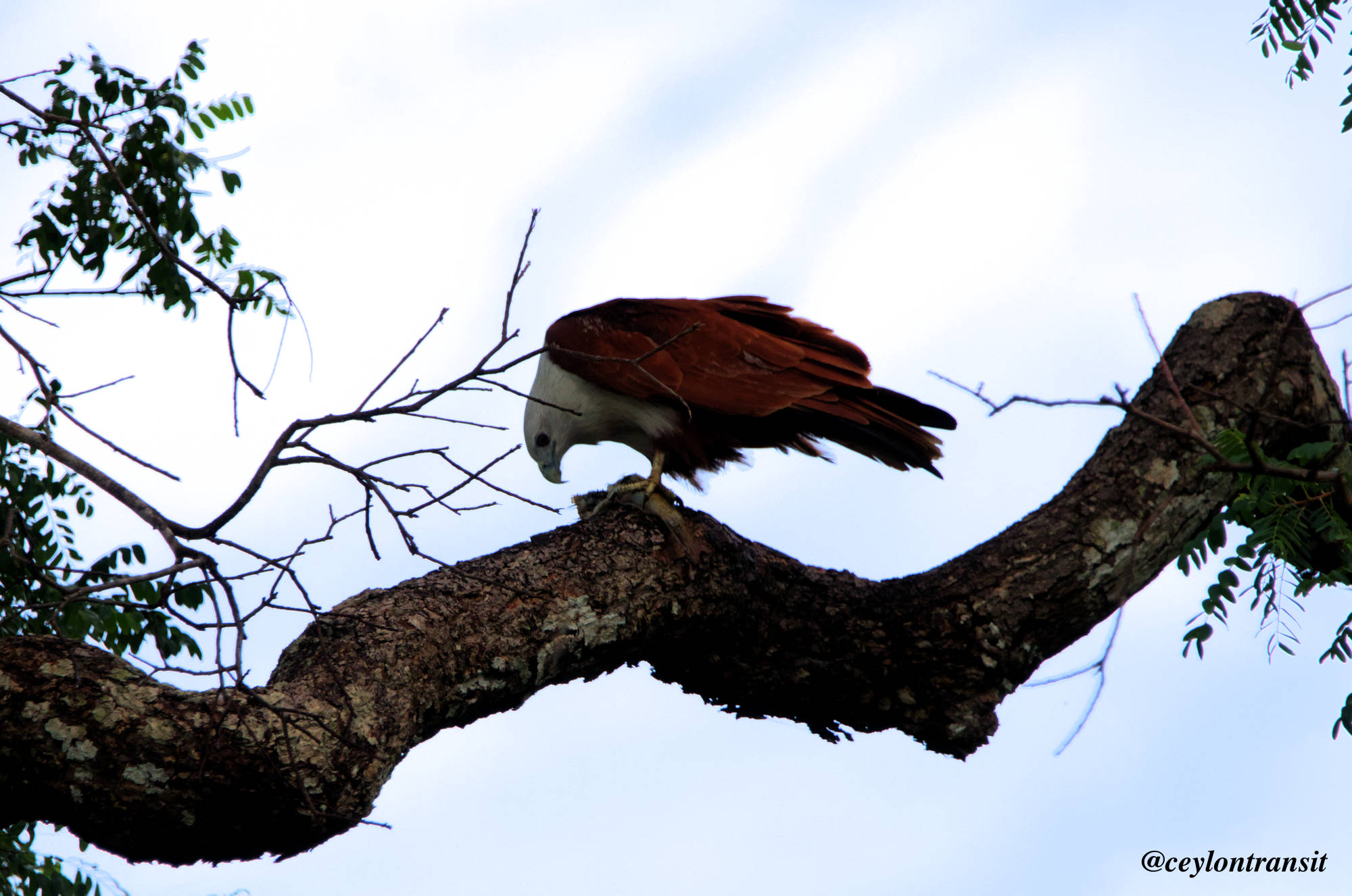
Red-Backed Sea-Eagle (Brahminy Kite) having a fish, Yala NP, Sri Lanka
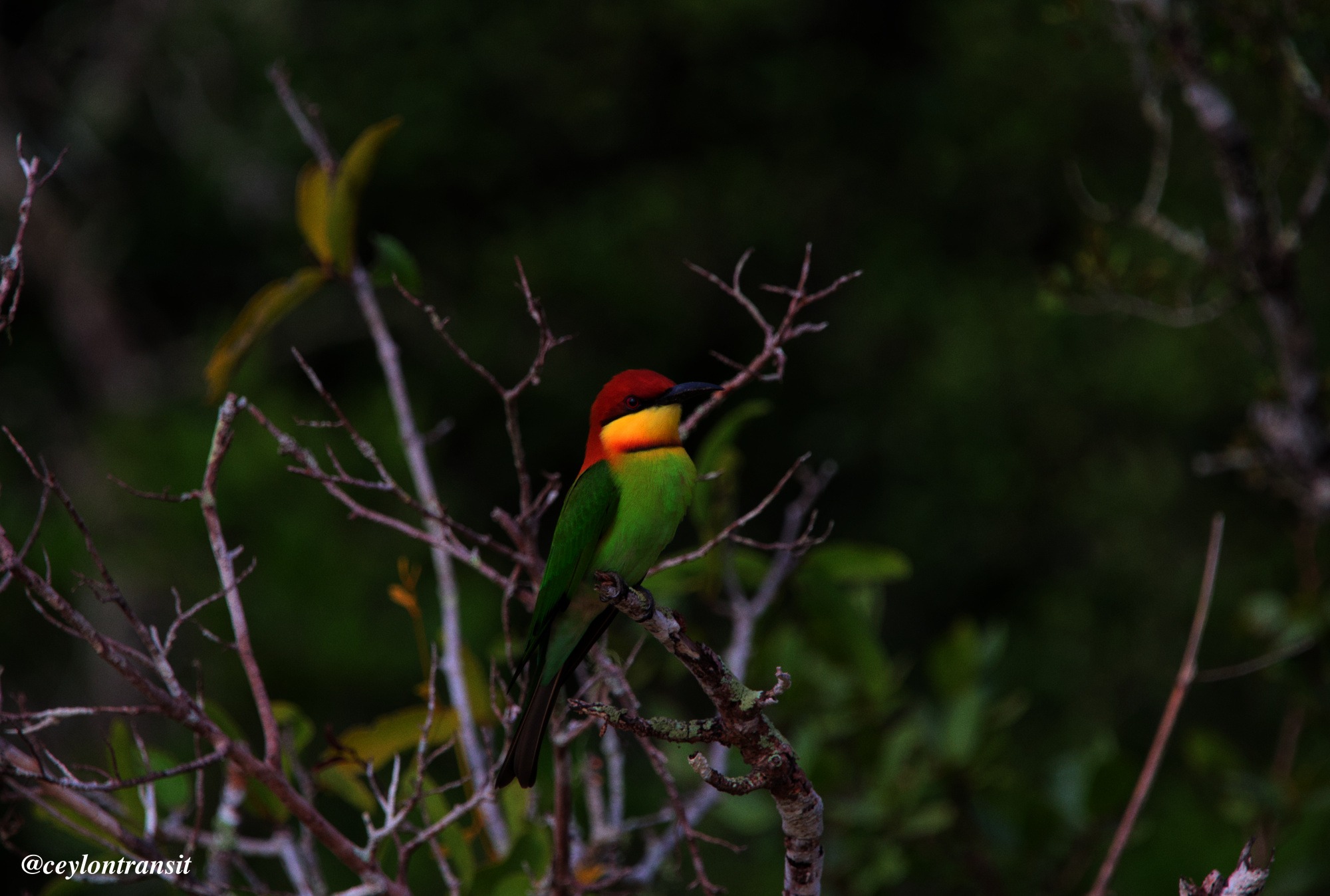
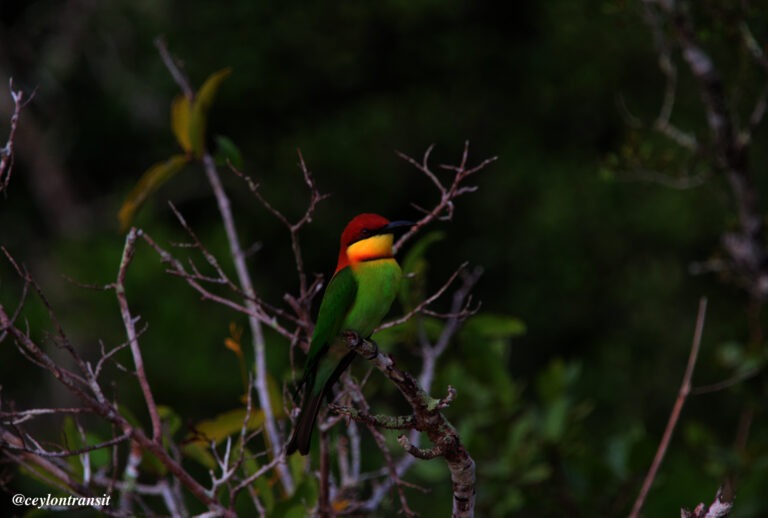
Chestnut headed bee-eater in Wilpattu National Park, Sri Lanka

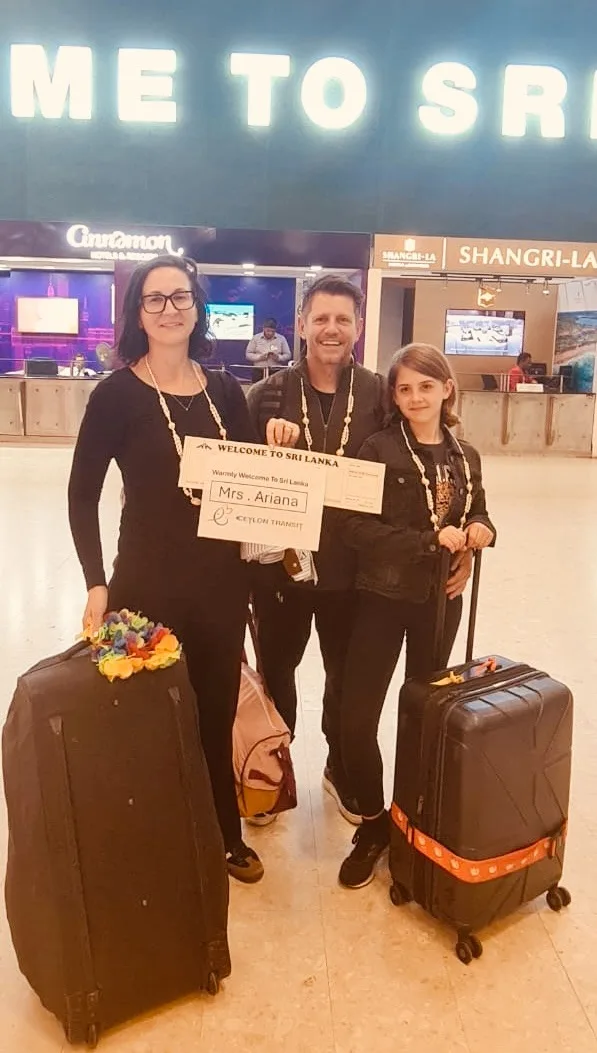
Ariana & family from Australia, Welcome to Sri Lanka
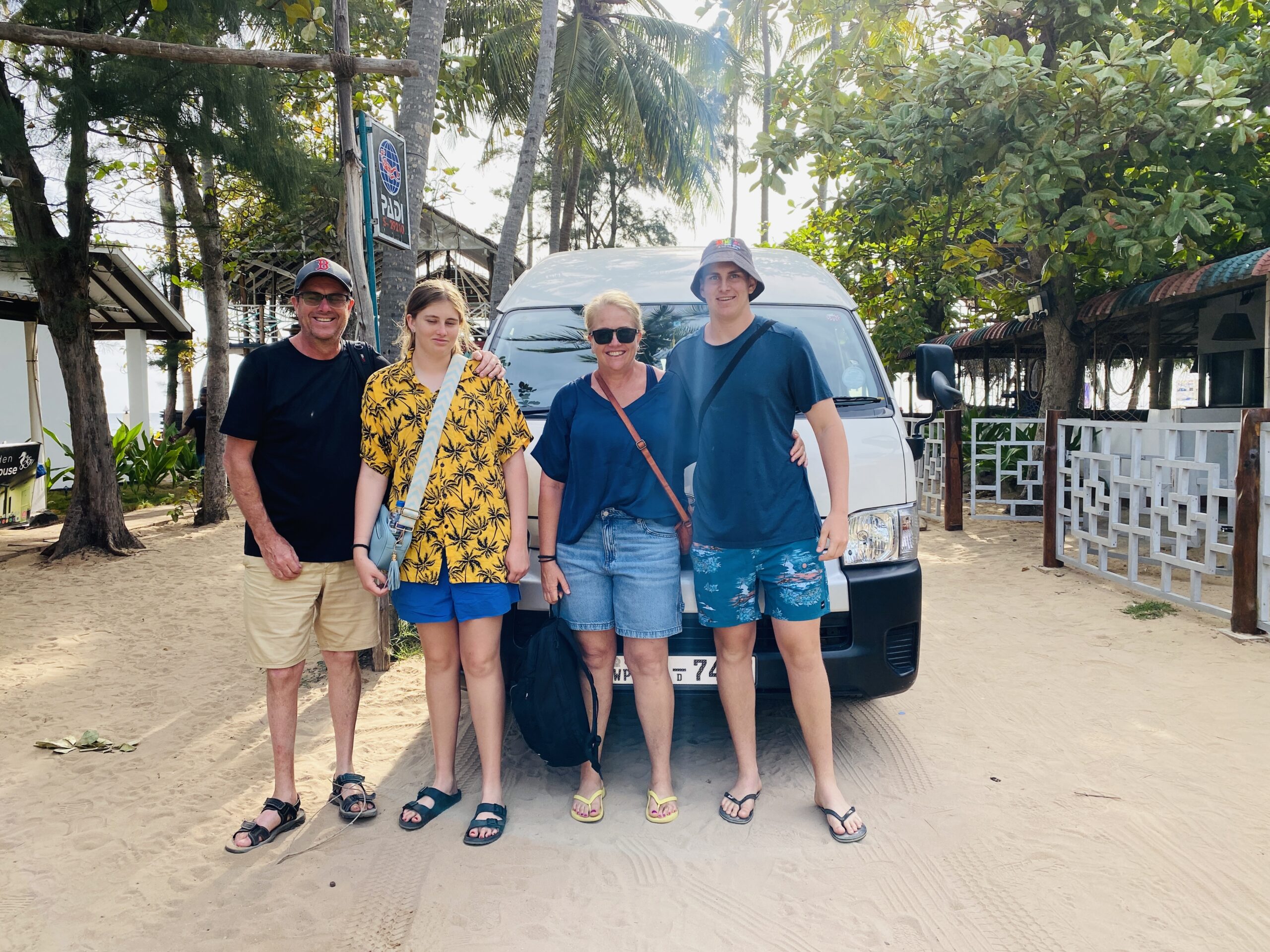
Our clients enjoy comfort of our luxury vehicles for round tours
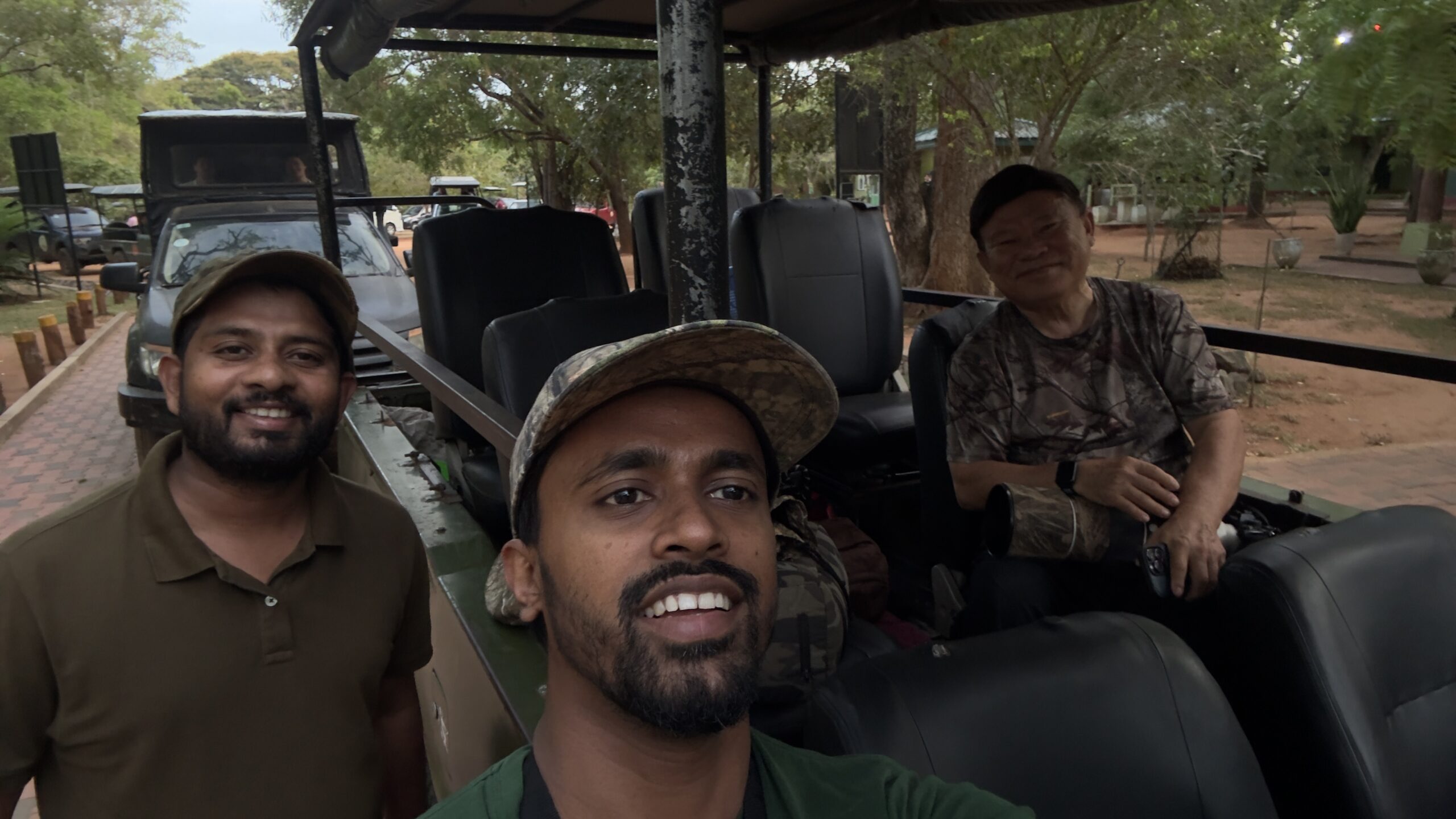
Pauls Second Trip to Wilpattu National Park
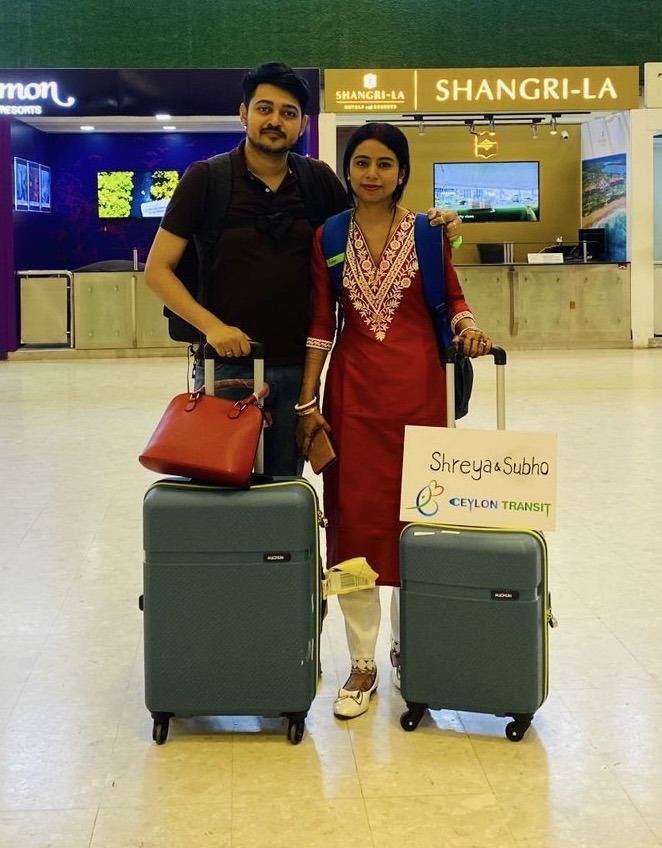
We Welcomed Young Wildlife Lovers, Shreya and Subho from India
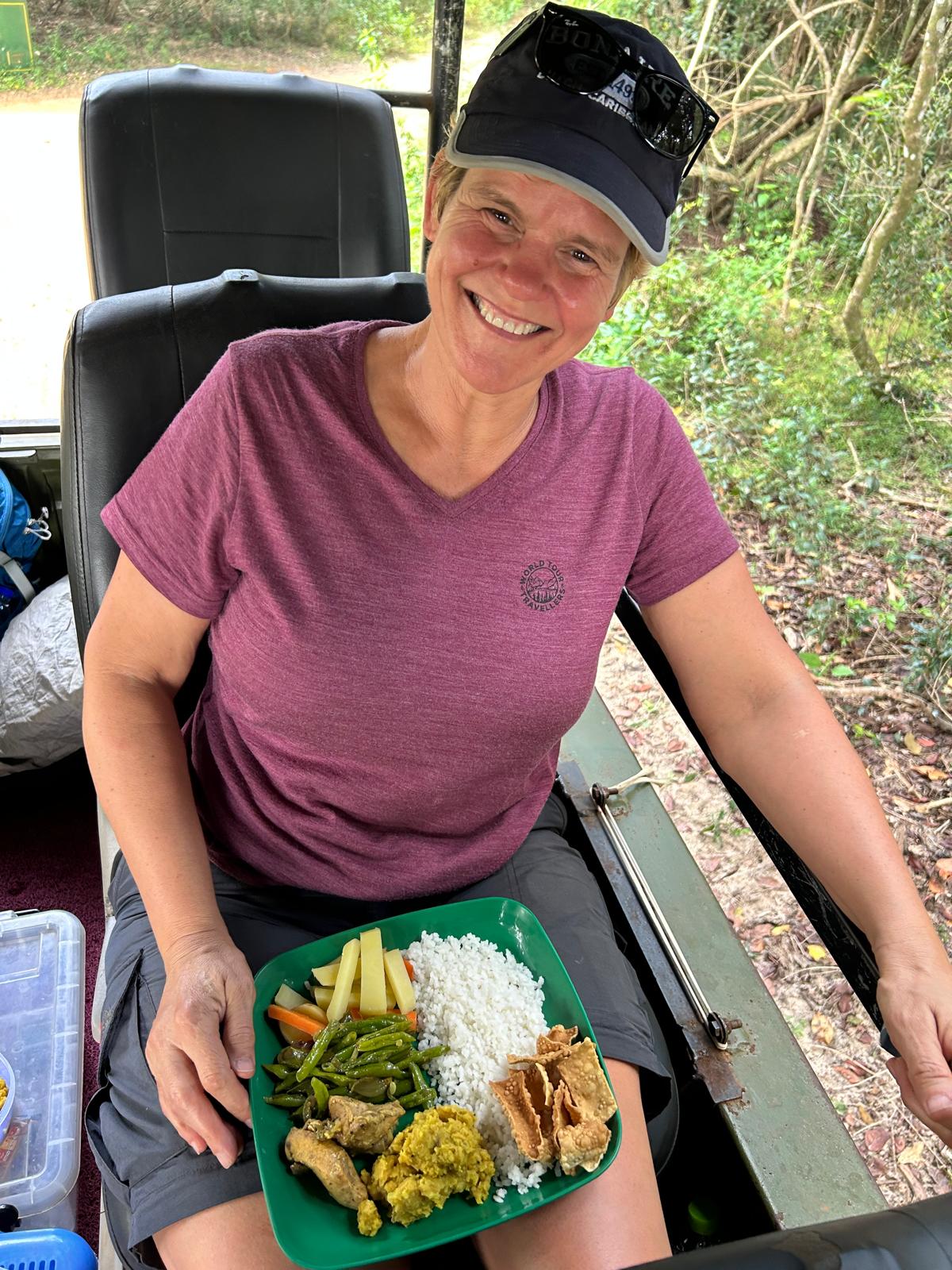
Quick Lunch to save time for more safari time in Wilpattu National Park
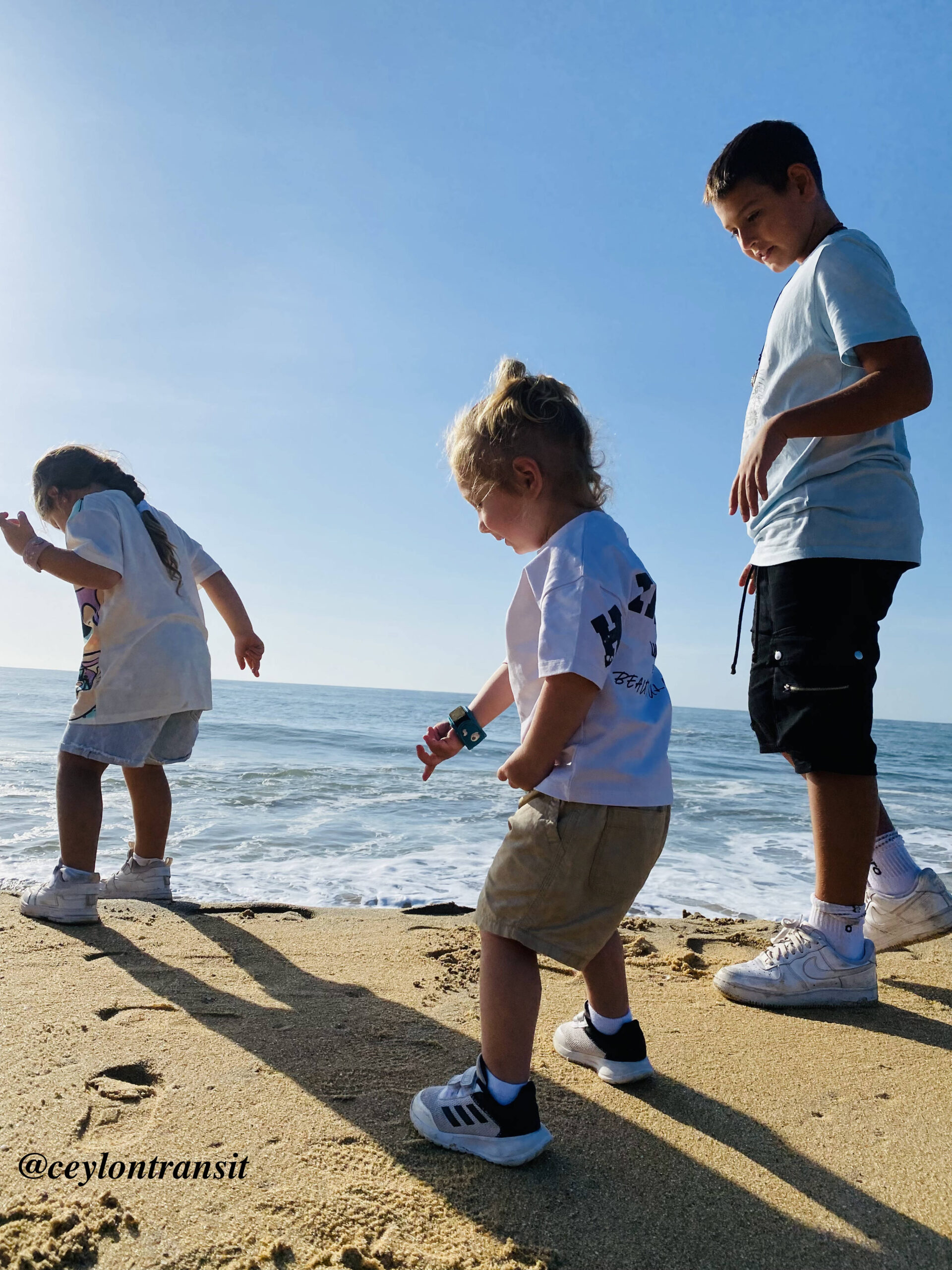
Kids love the Sri Lankan sandy beaches and sun
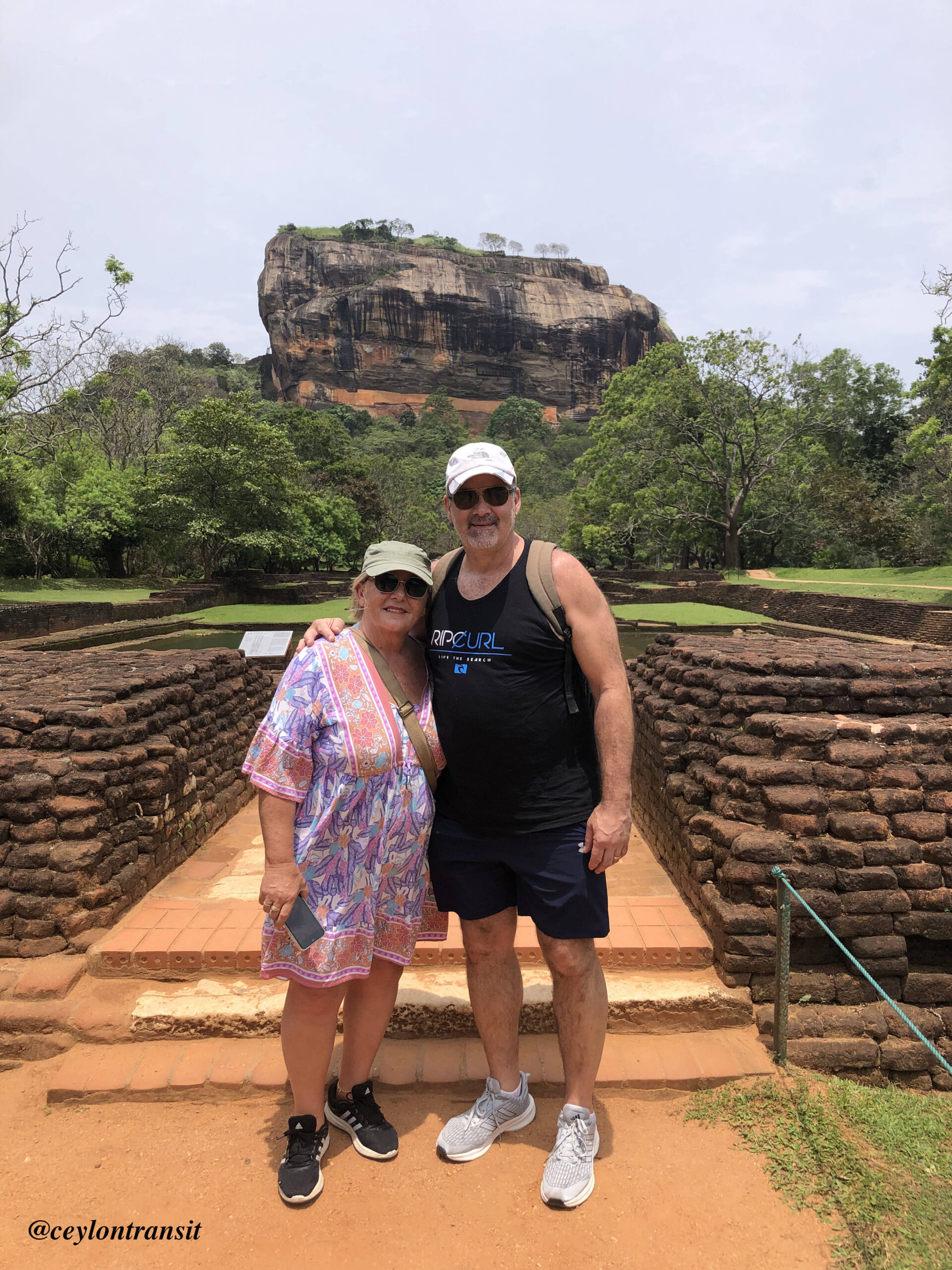
Janice at Sigiriya Rock Fortress, Sri Lanka
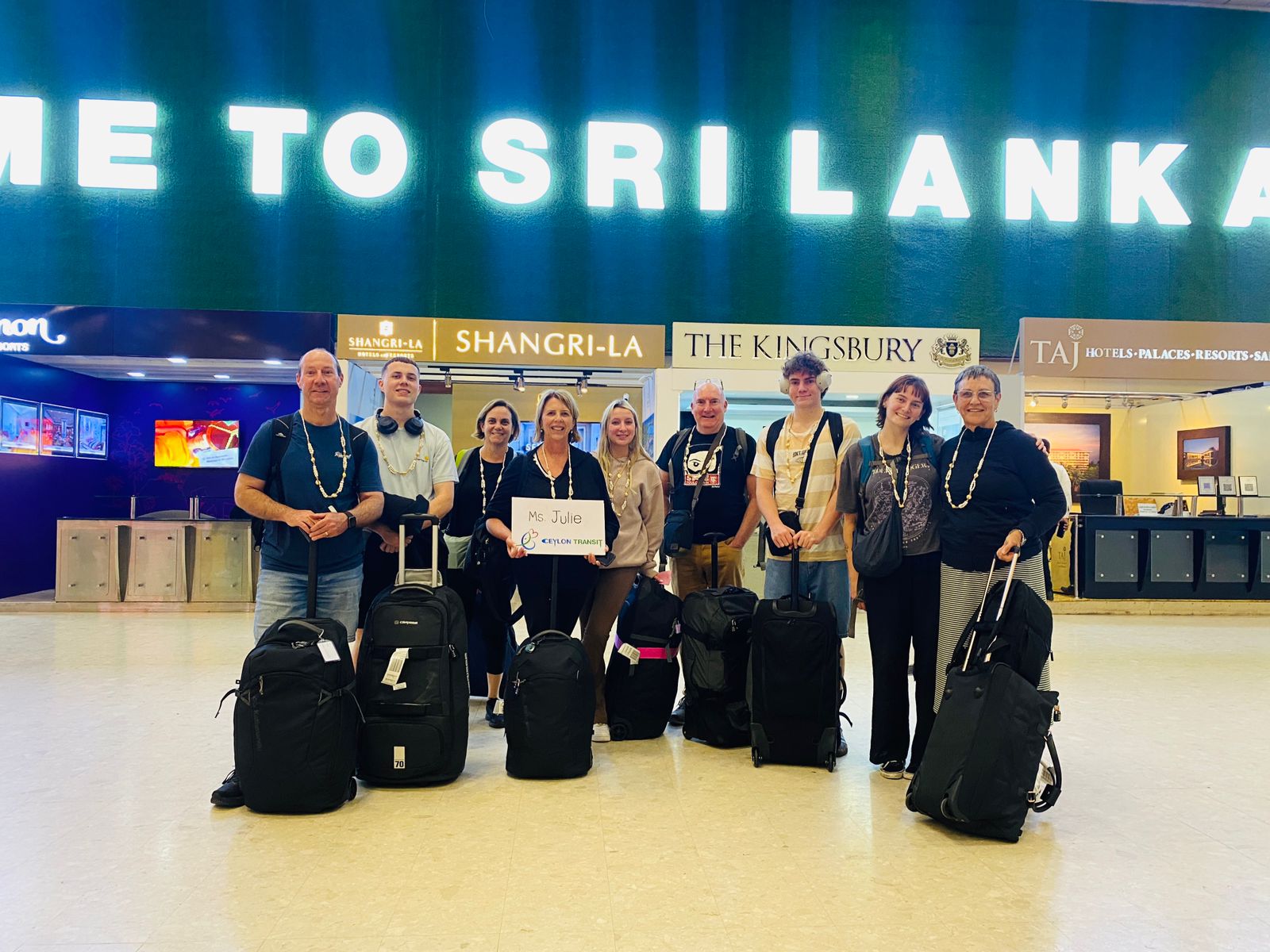
Julie & friends received a grand welcome
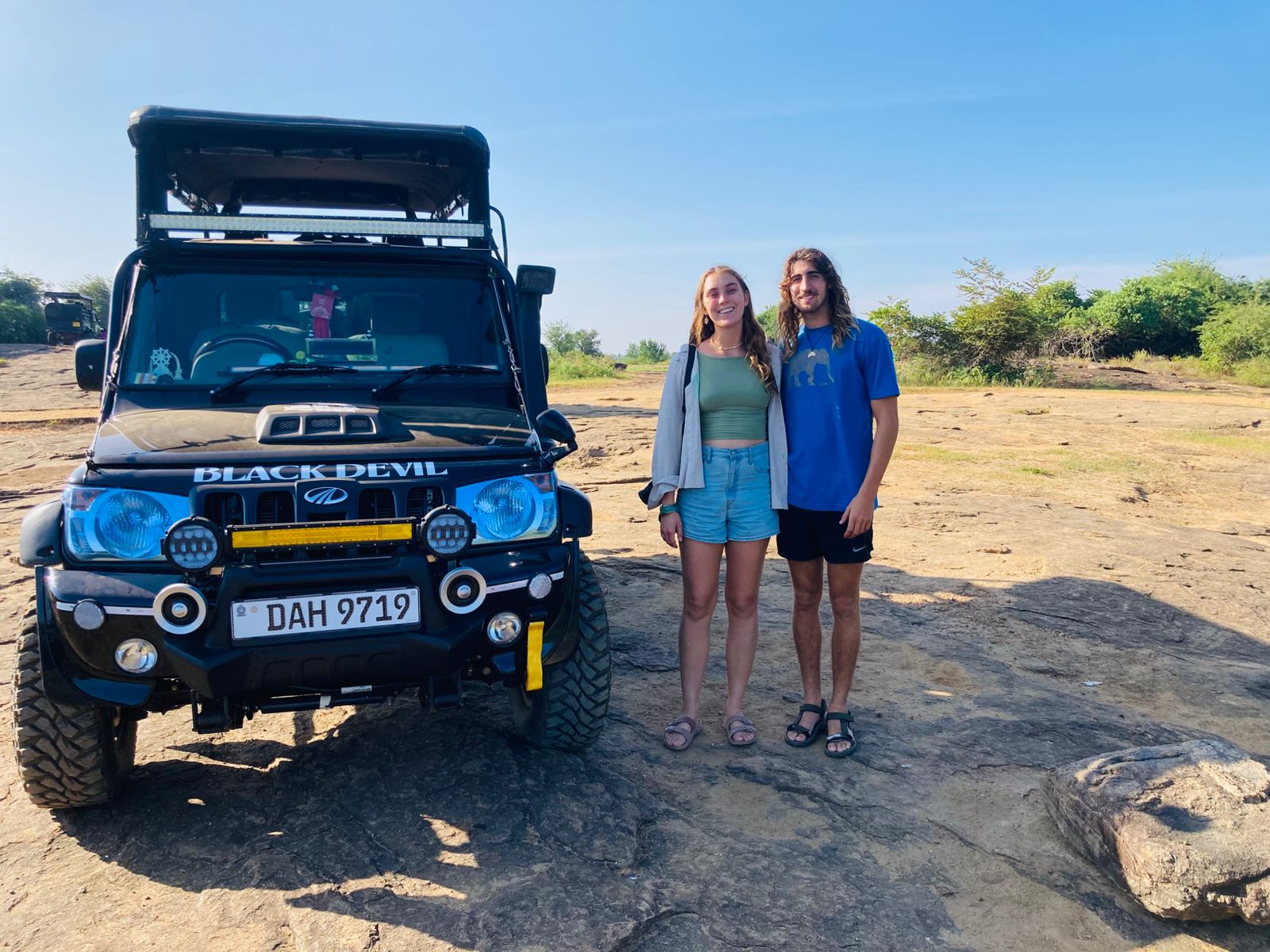
Time for a Photo during Udawalawe Safari of Josh White
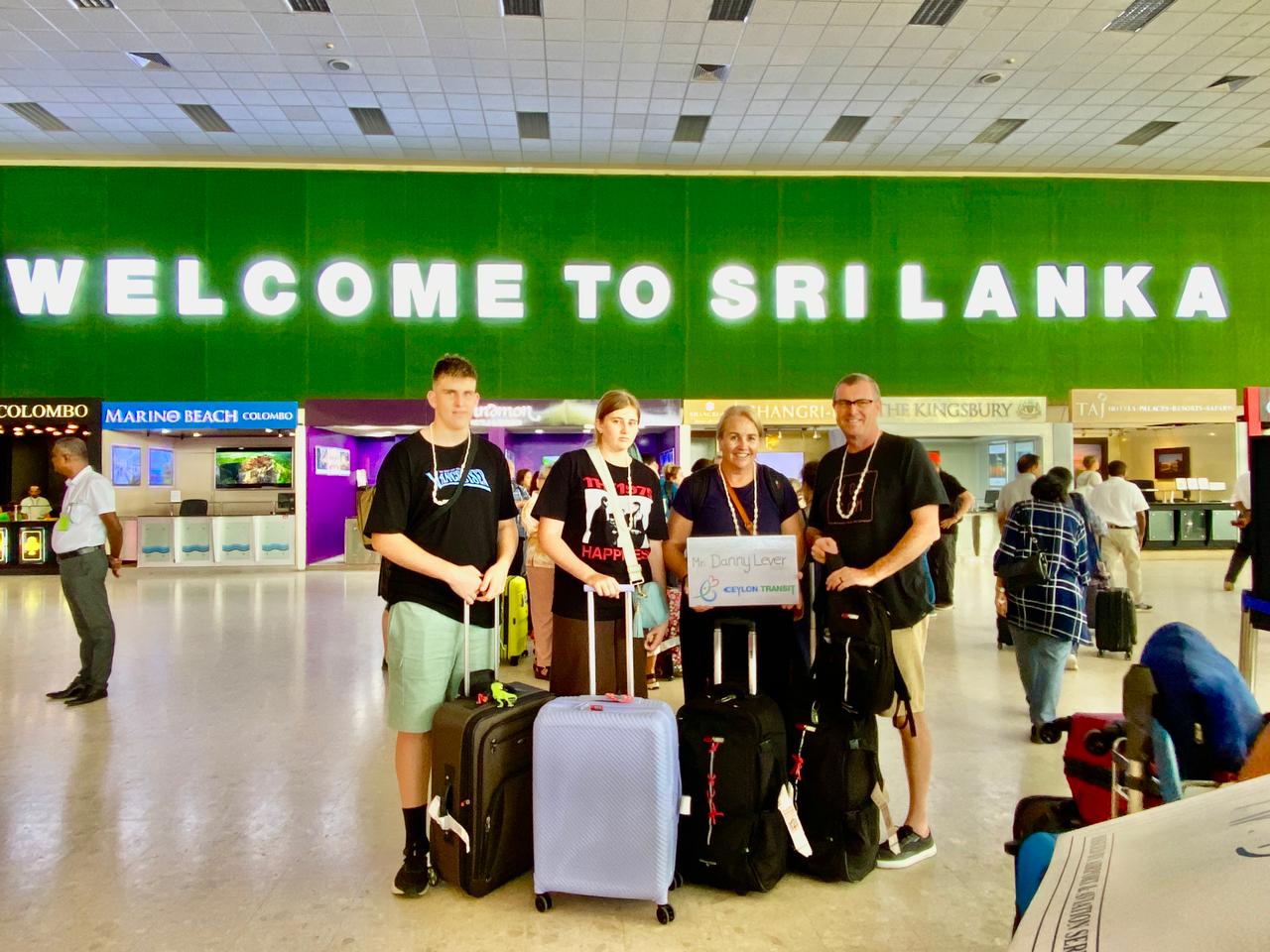
Danny & his family returned to Sri Lanka after 40 years
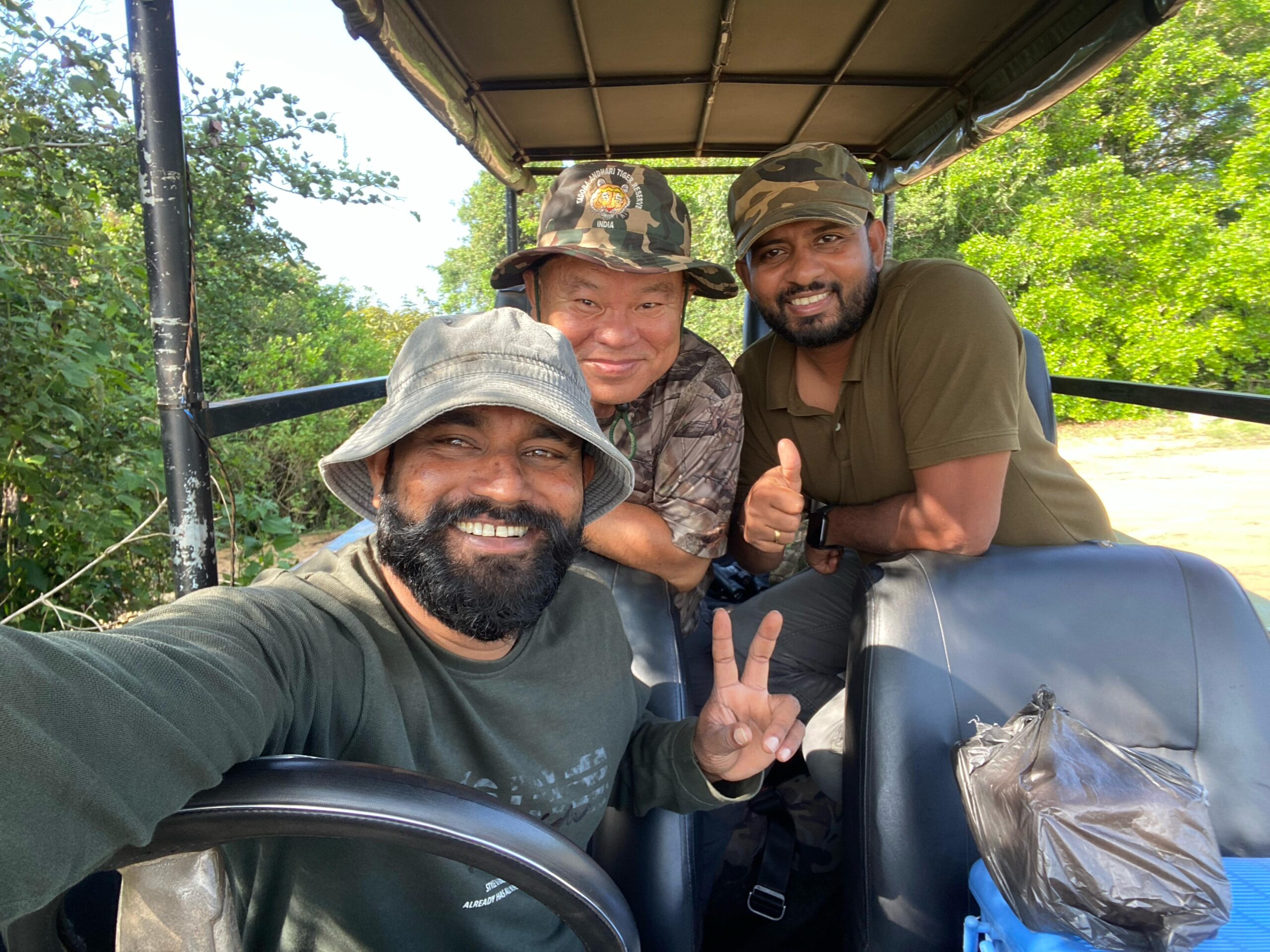
Paul And The Team During 2 Days Wilpattu Safari, Sri Lanka
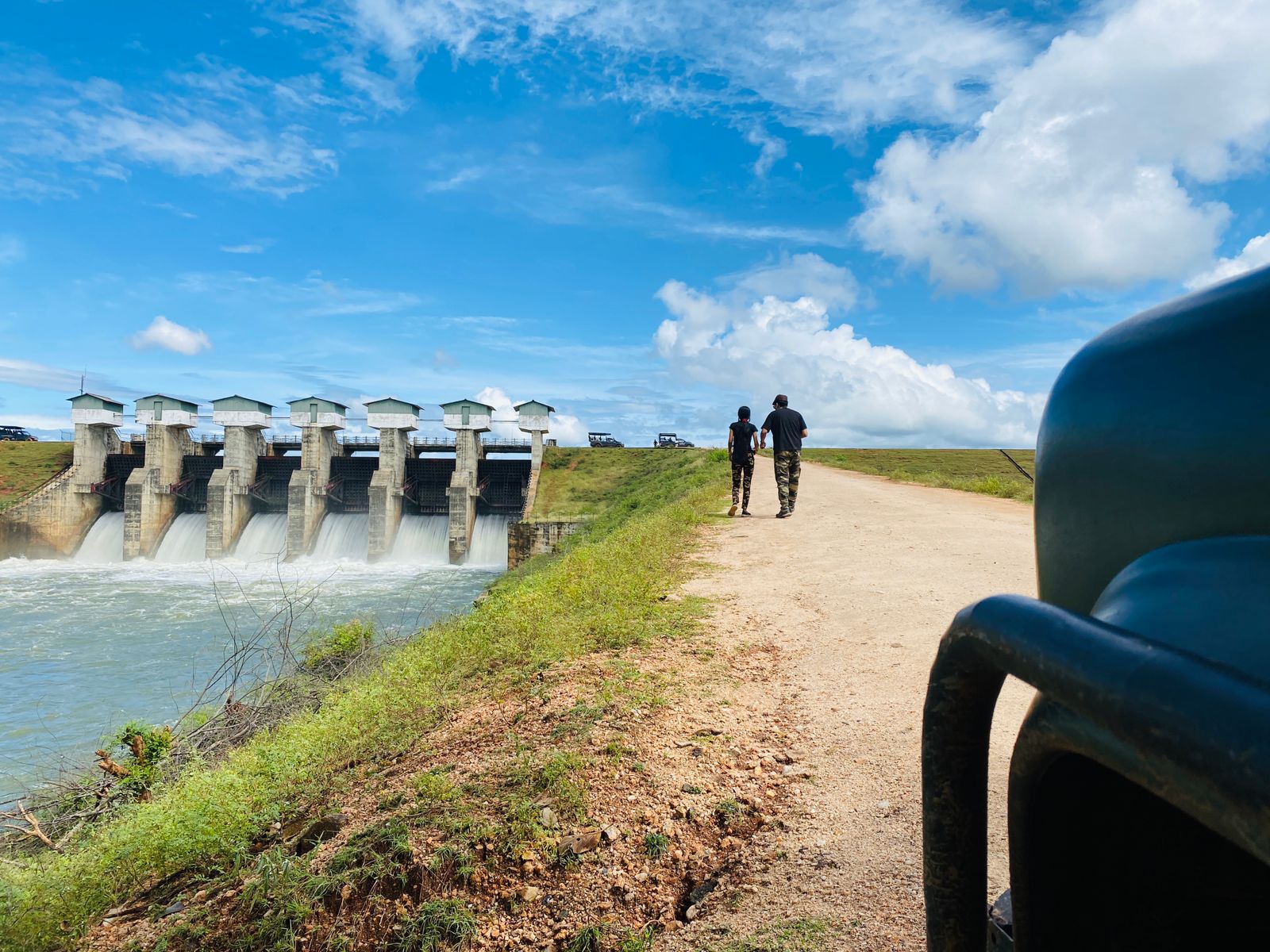
Shreya & Subho Enjoying freedom at Weheragala Dam, Yala Block V, Sri Lanka

Our clients enjoying Ella Swing in Ravana Pool Club

Marina & her friends from Serbia enjoying our Premium Safari
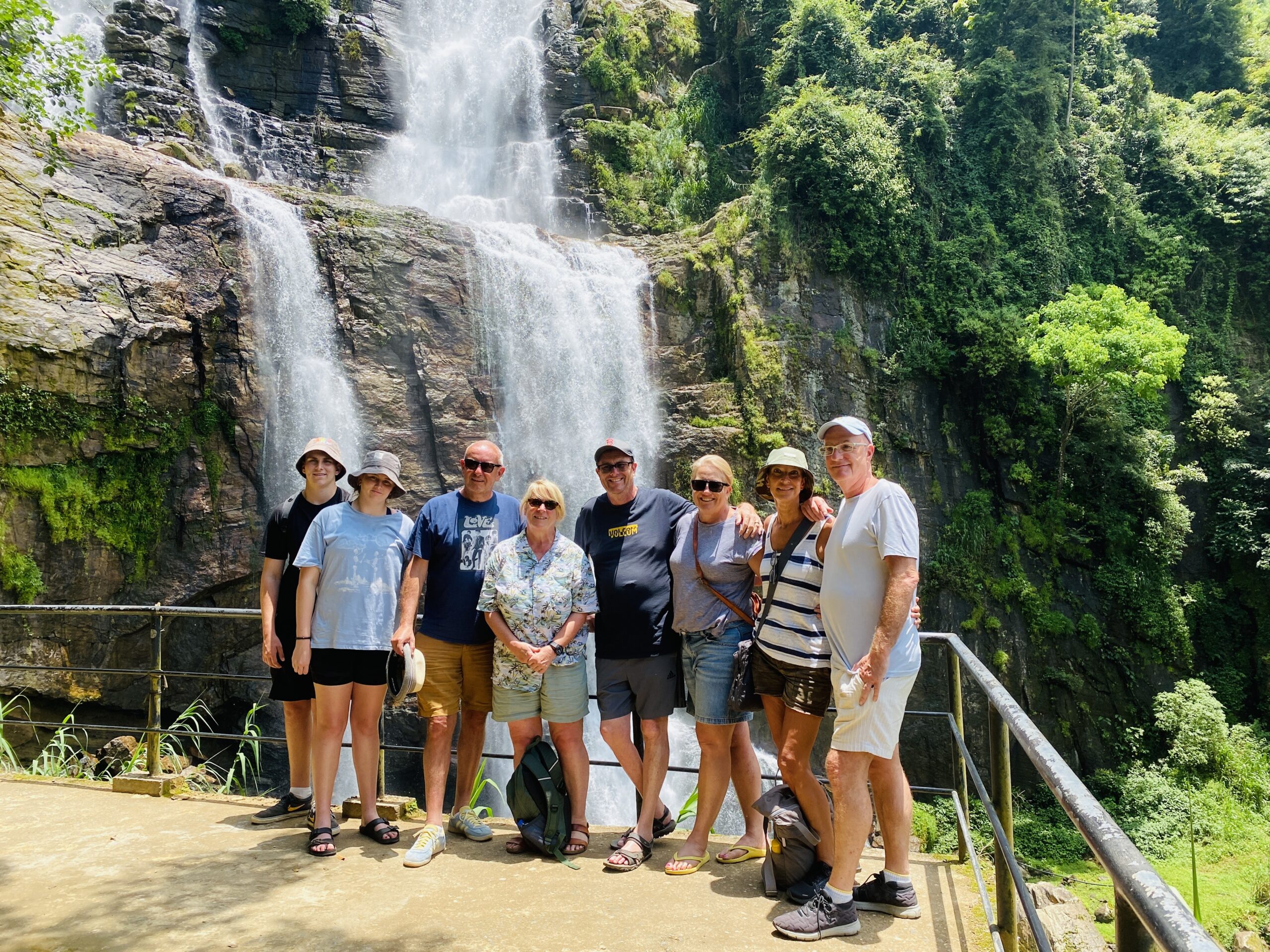
Waterfalls are a main attractions of many guests coming to Sri Lanka
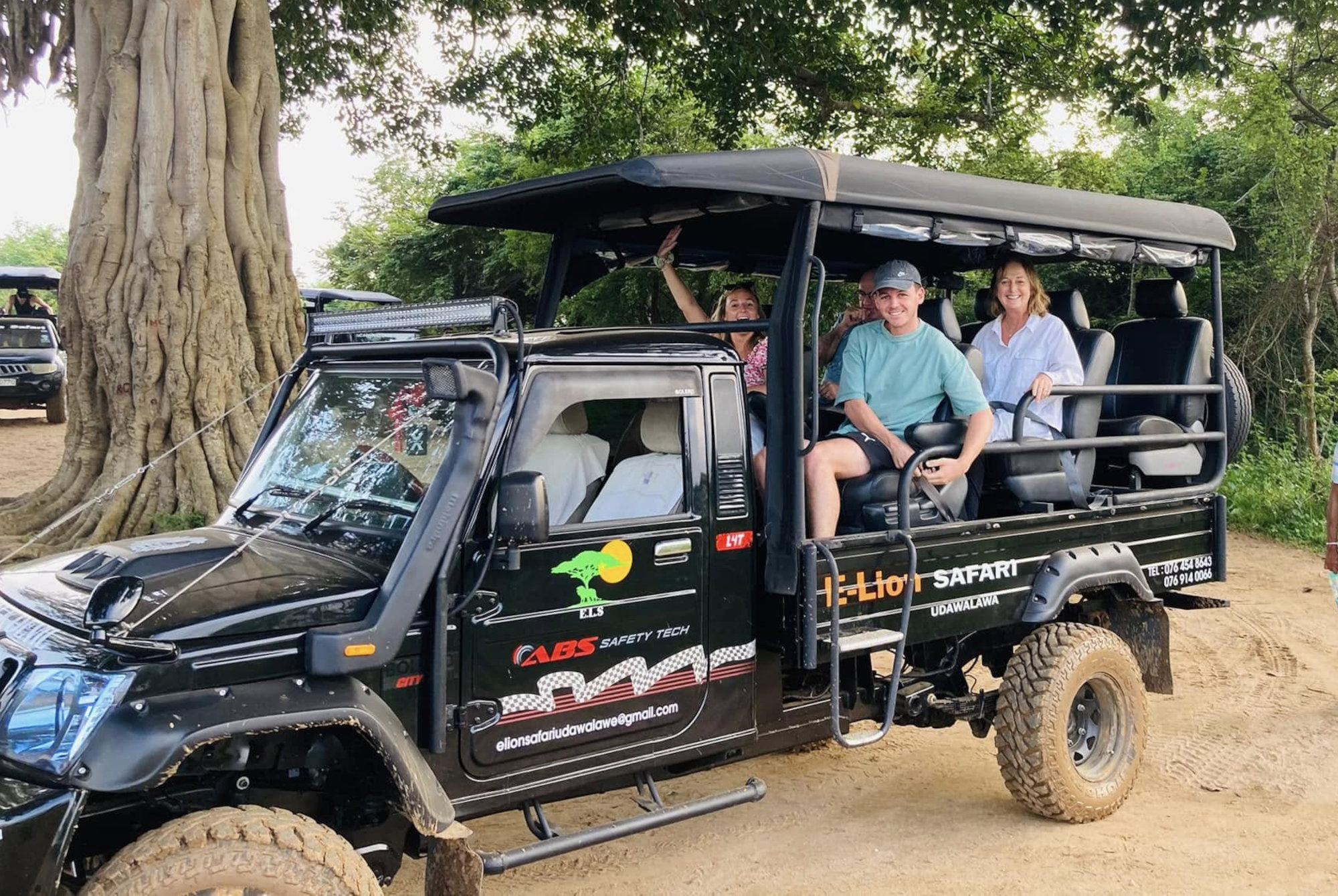
Our clients enjoy our premium wildlife tours, Udawalawe, Sri Lanka
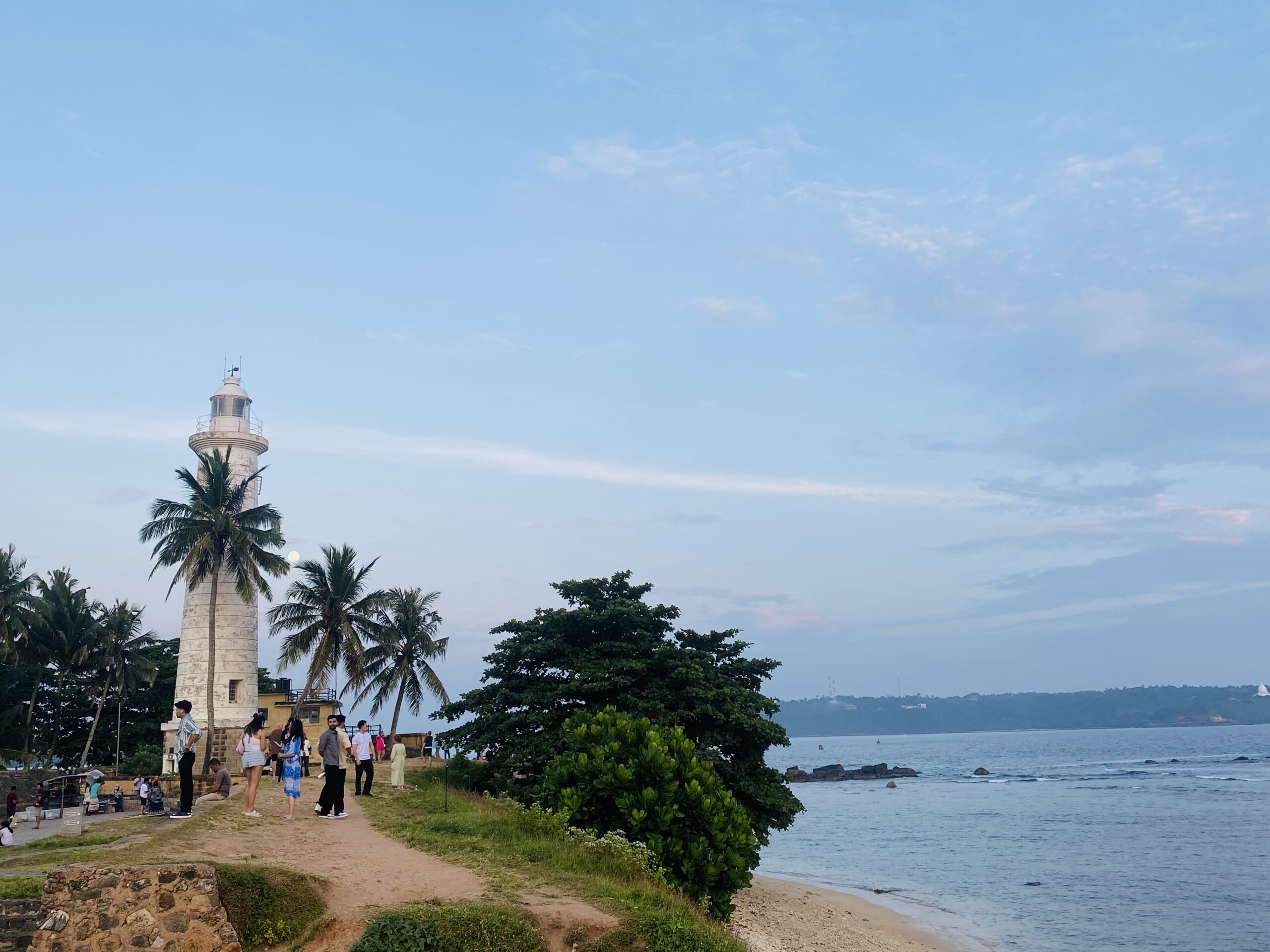
Evening Peaceful Time at Galle Fort Light House, Sri Lanka
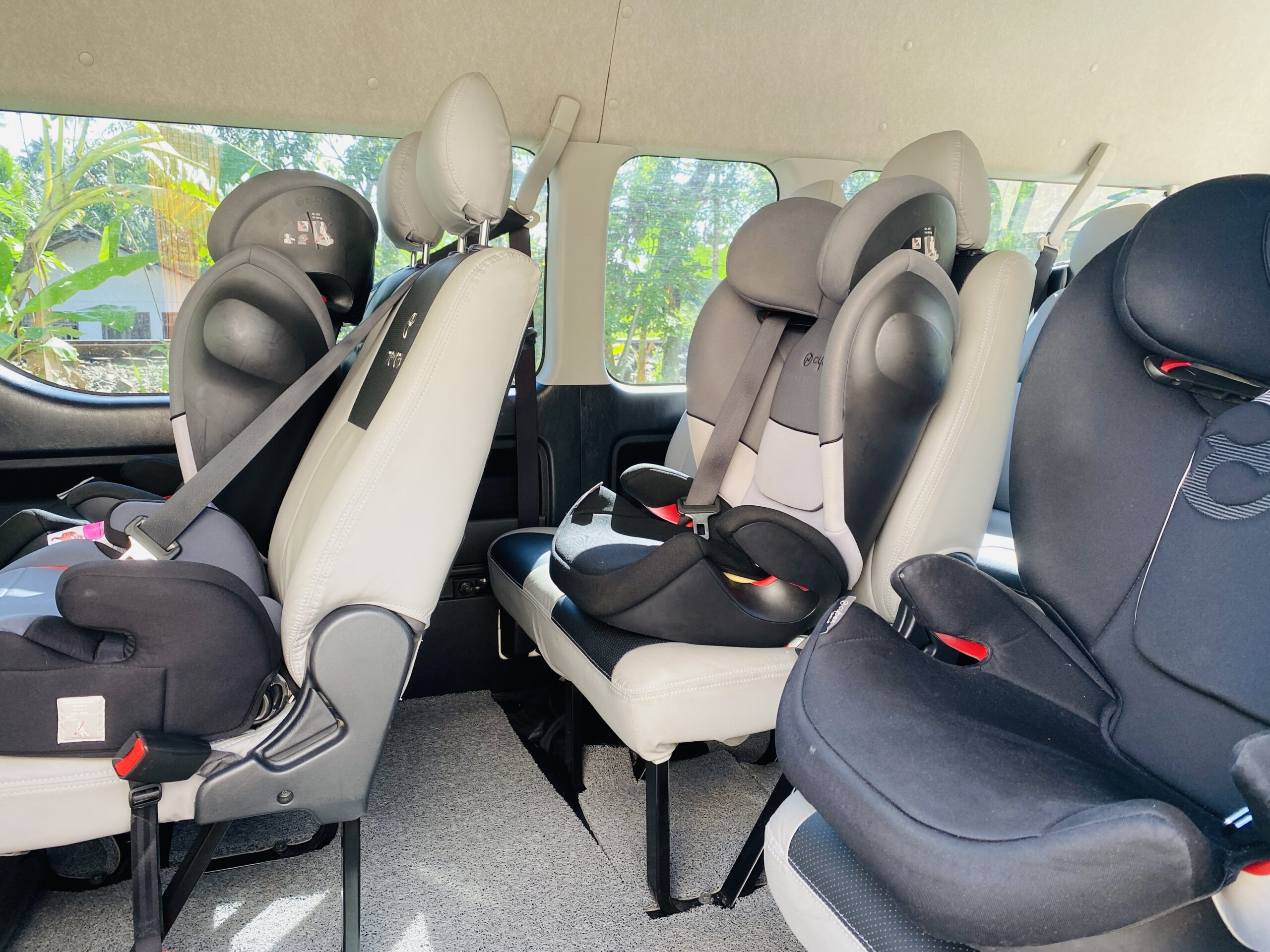
Car Seats Can be Mounted in Every Car for the Safety of the Kids
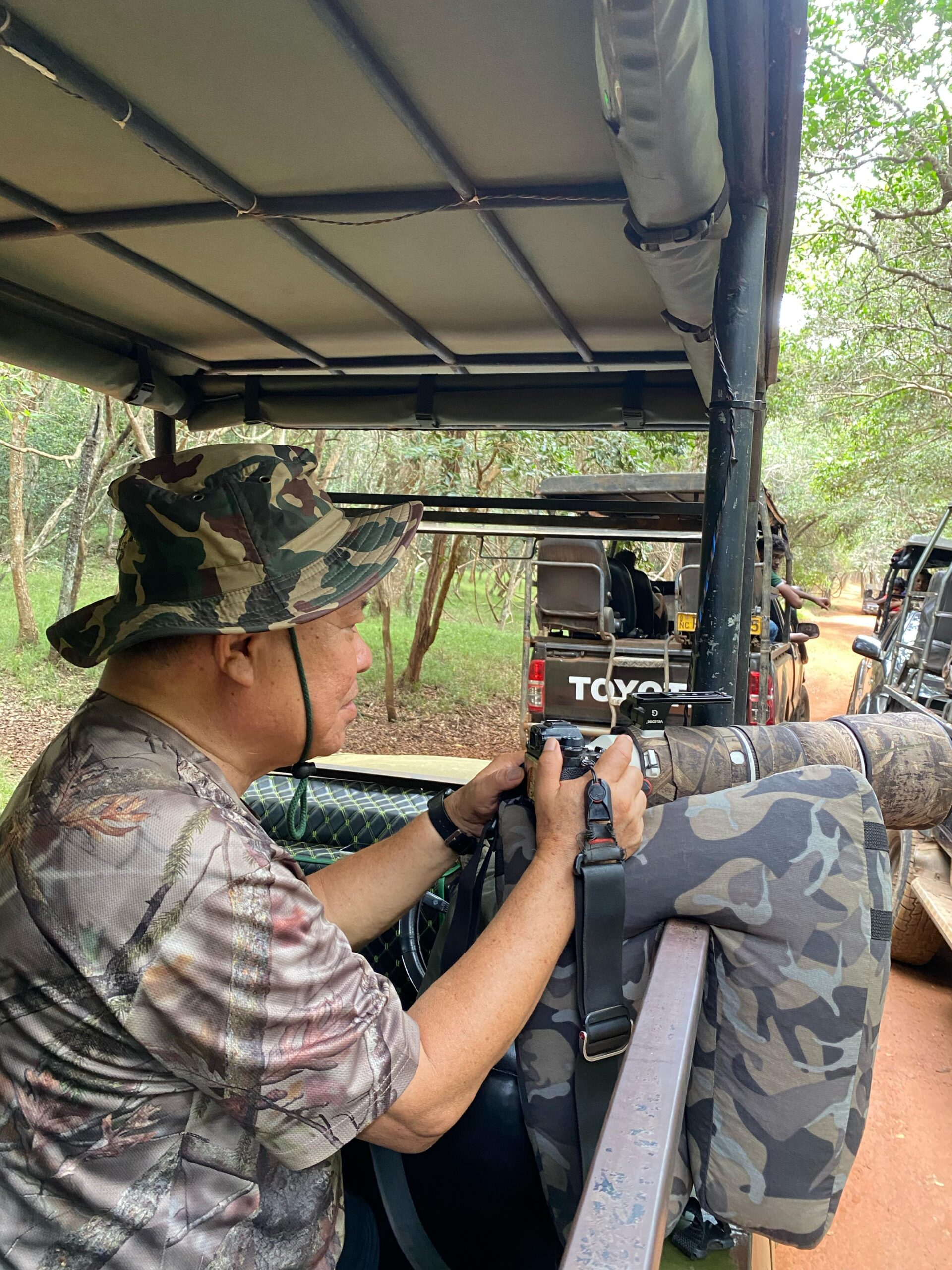
Paul Photographing a Leopard Cub in Wilpattu National Park
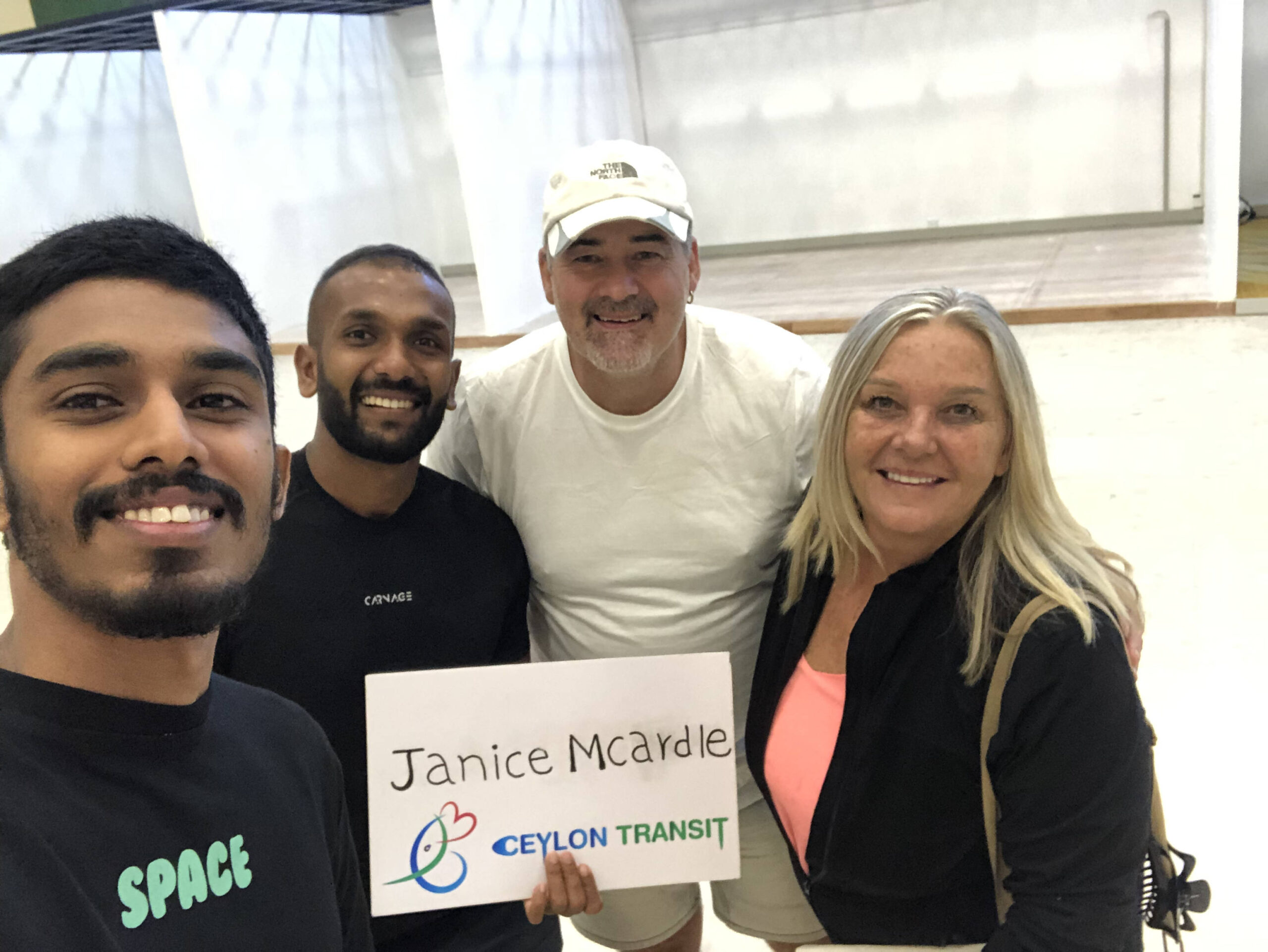
Janice & Family from Australia were Welcomed
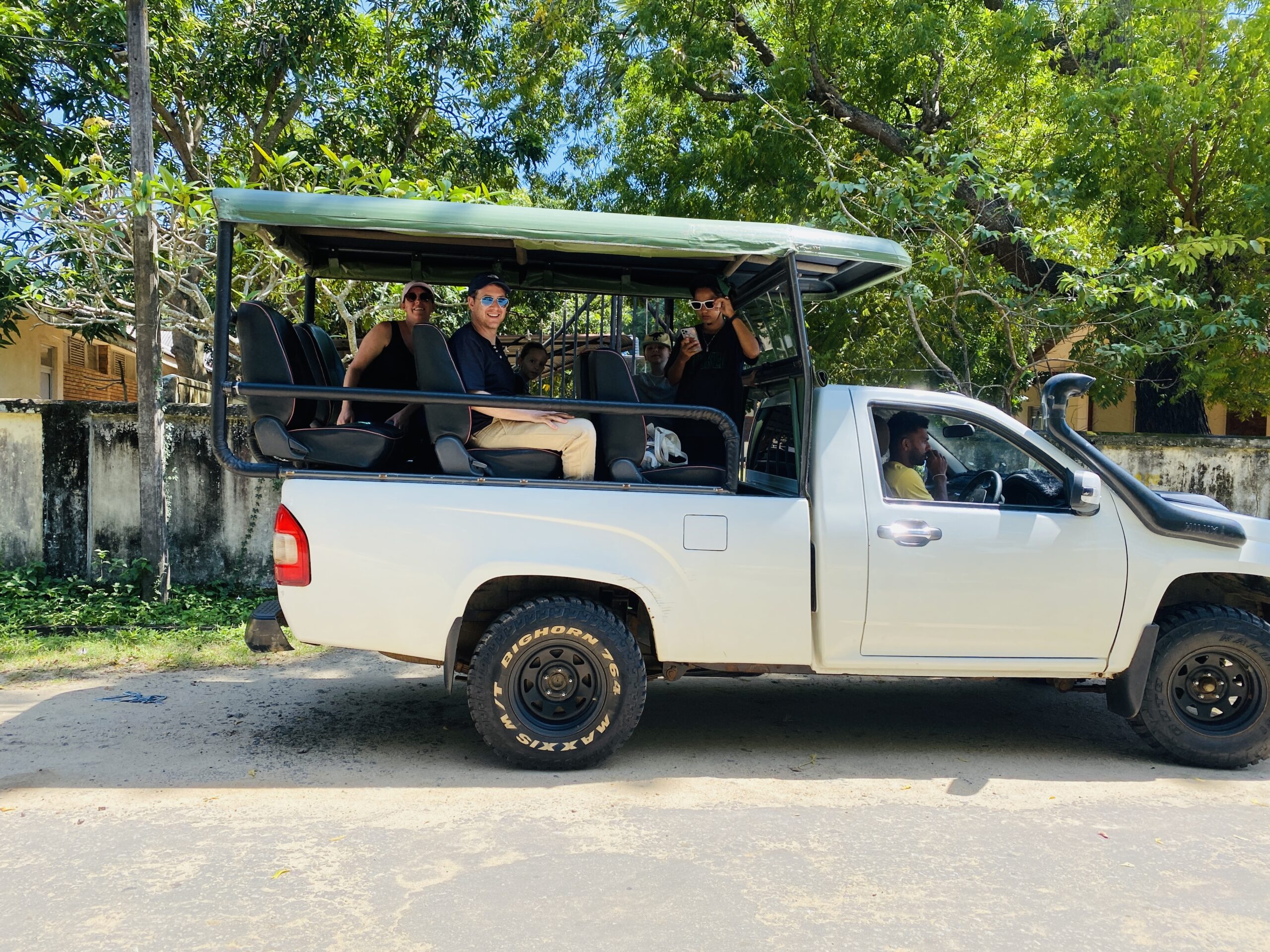
Our Clients Preparing for a Kumana Evening Safari, Sri Lanka
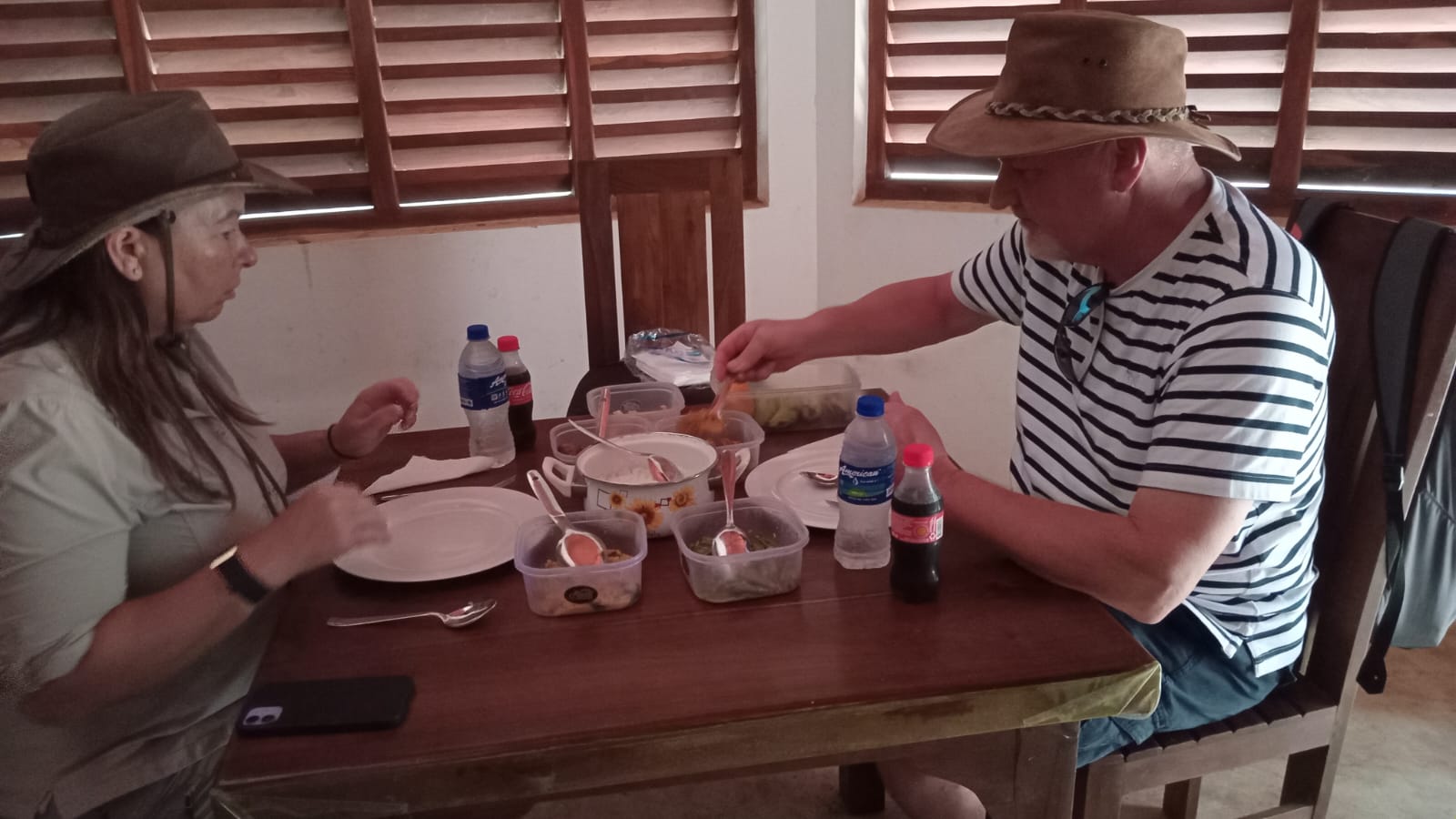
Lunch Break During A Full Day Safari at Wilpattu NP, Sri Lanka
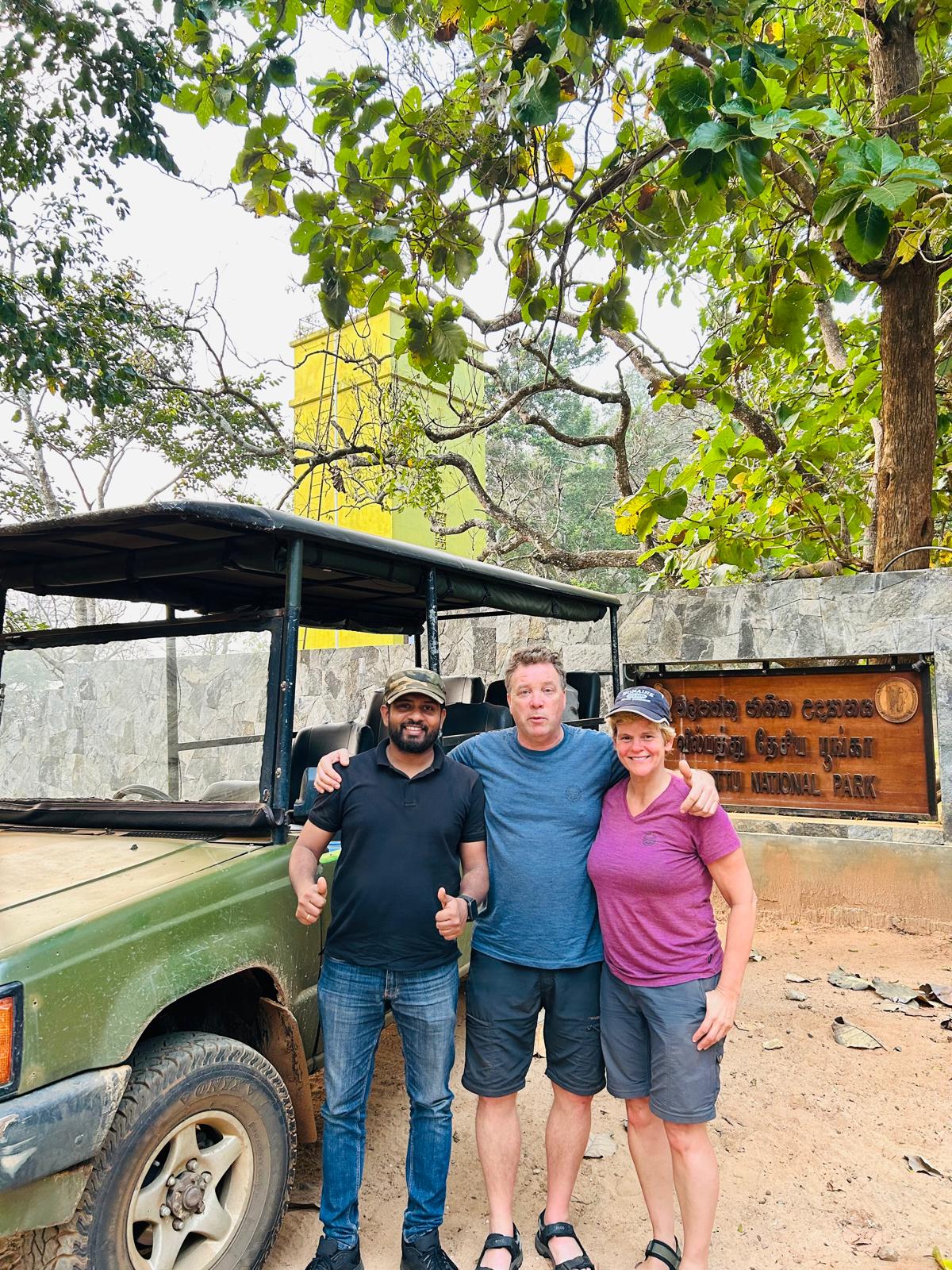
After a Guided Bird Watching Tour in Wilpattu National Park
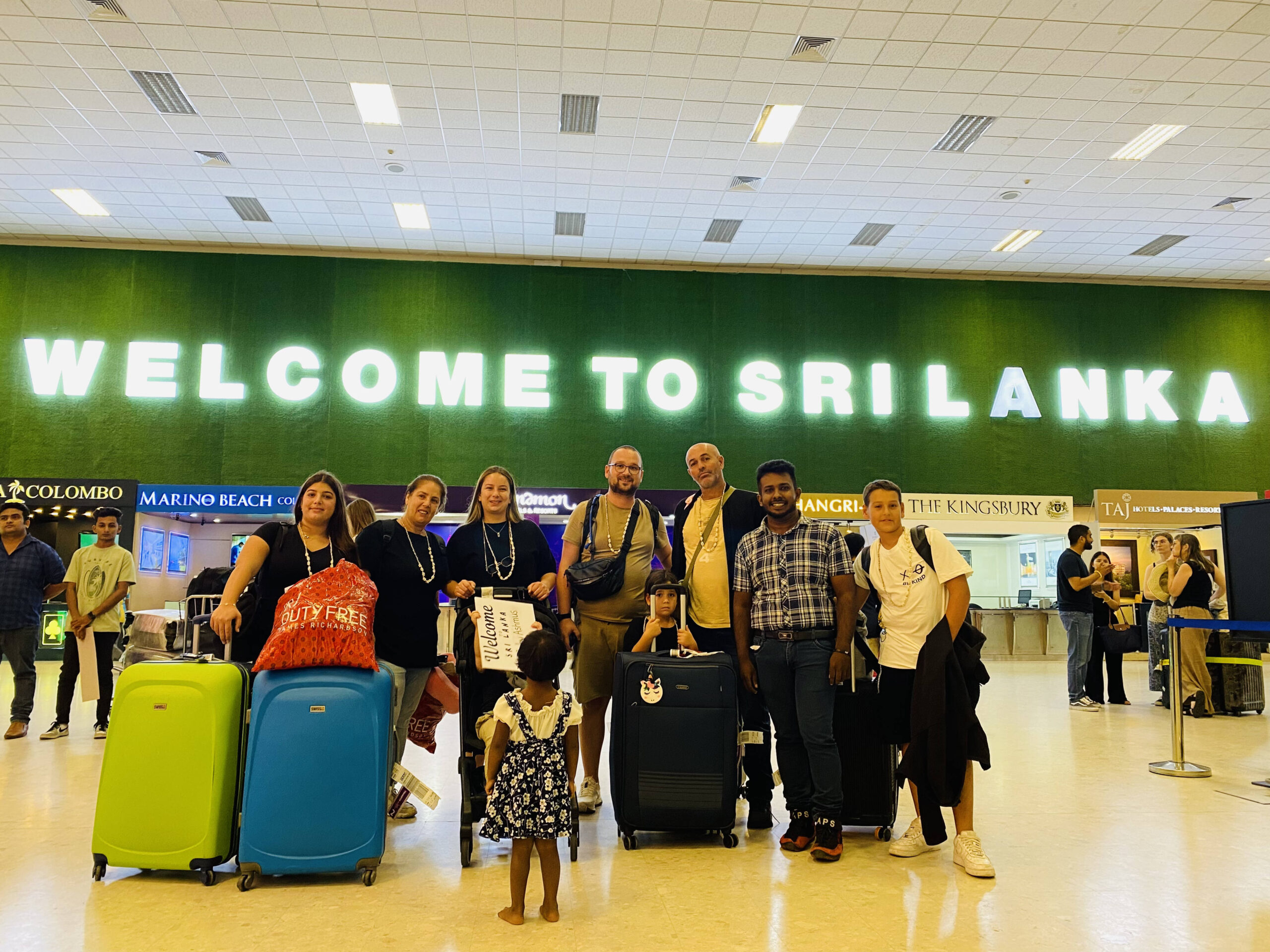
Salby & his family from Israel visited Sri Lanka
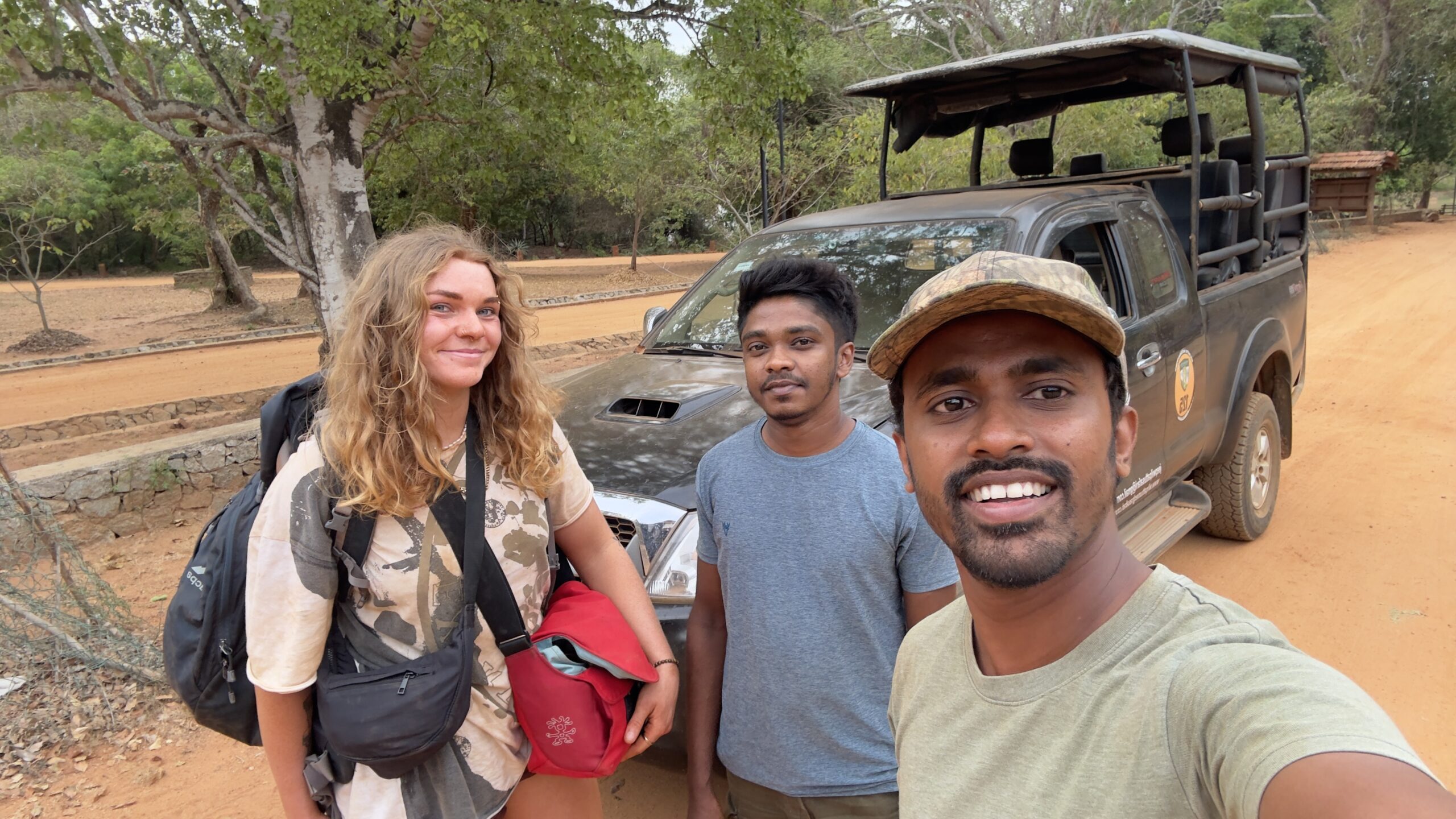
Saskia from Tasmania at Wilpattu National Park
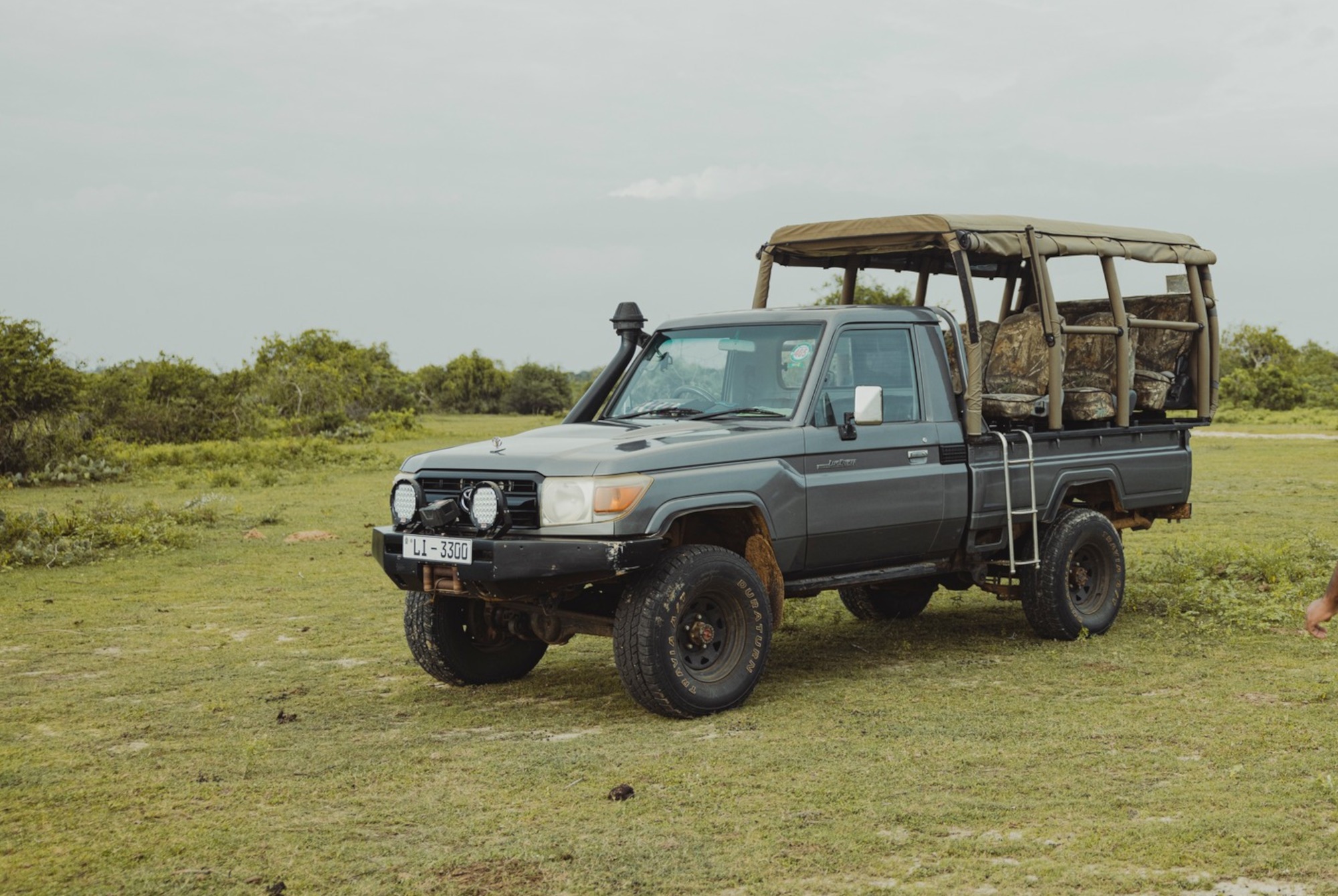
Our clients use luxury safari jeeps in Sri Lanka
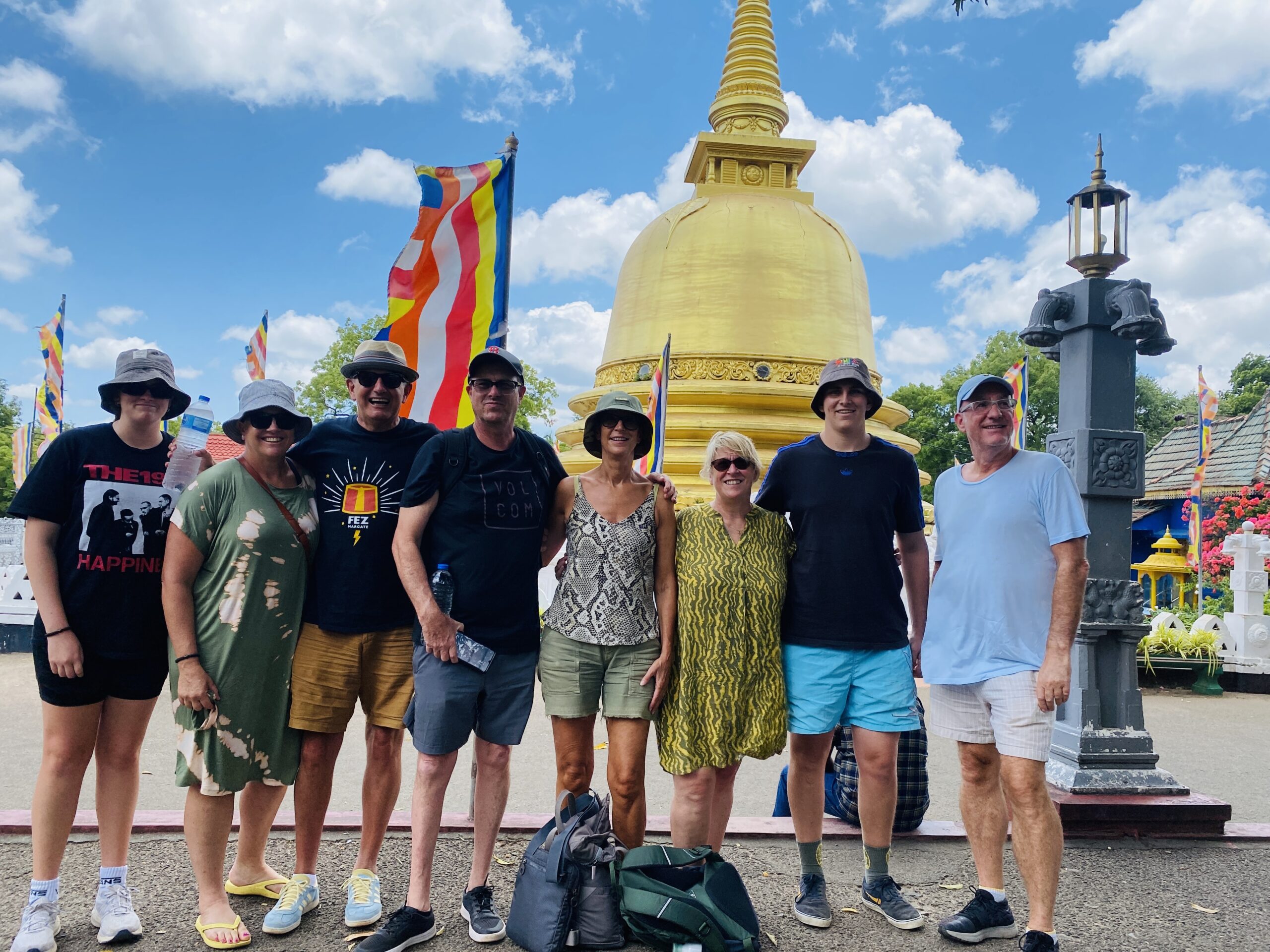
Cultural sites of part of the round tours of Sri Lanka
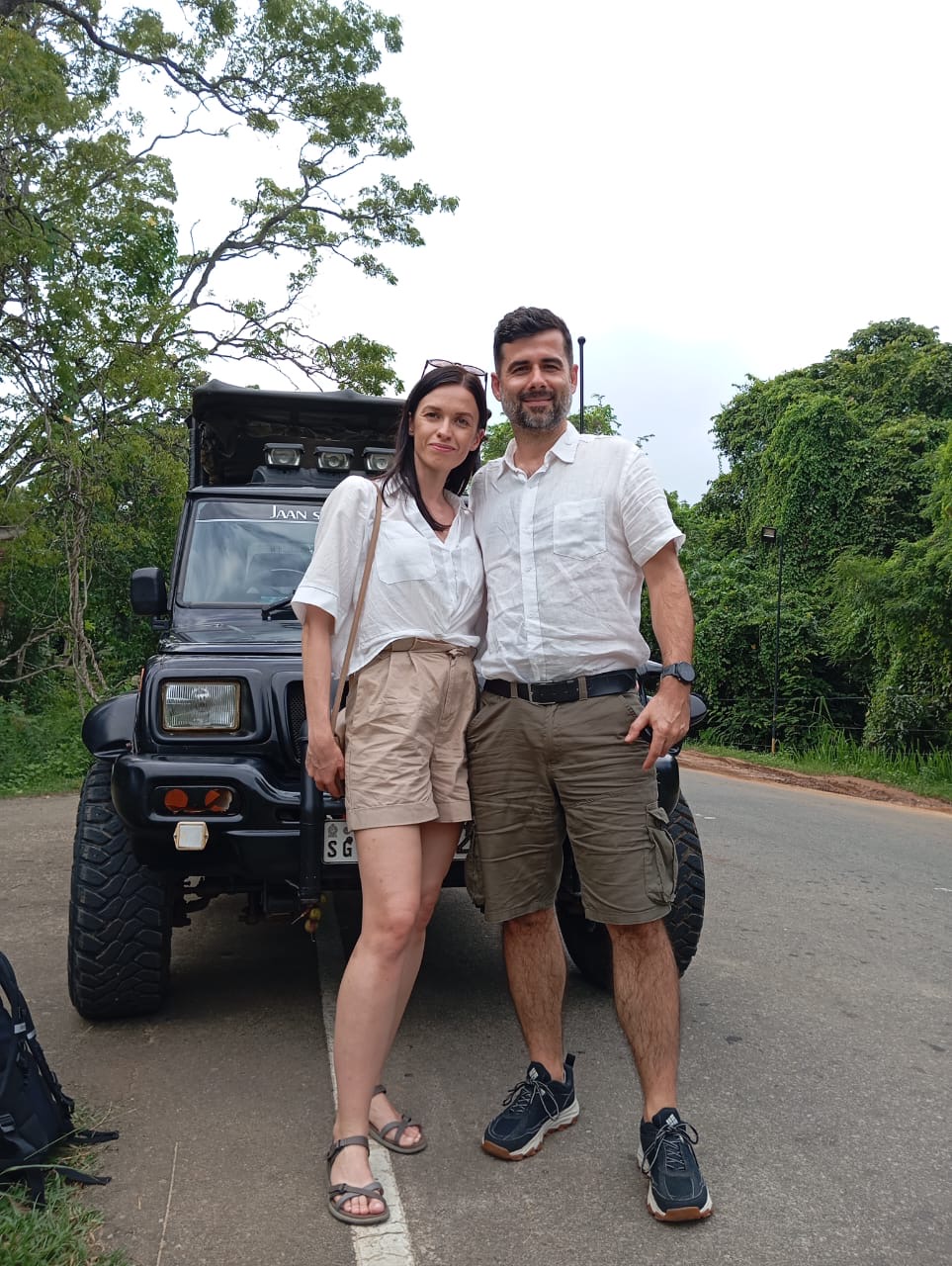
Monika & Toni from Poland at Udawalawe National Park safari
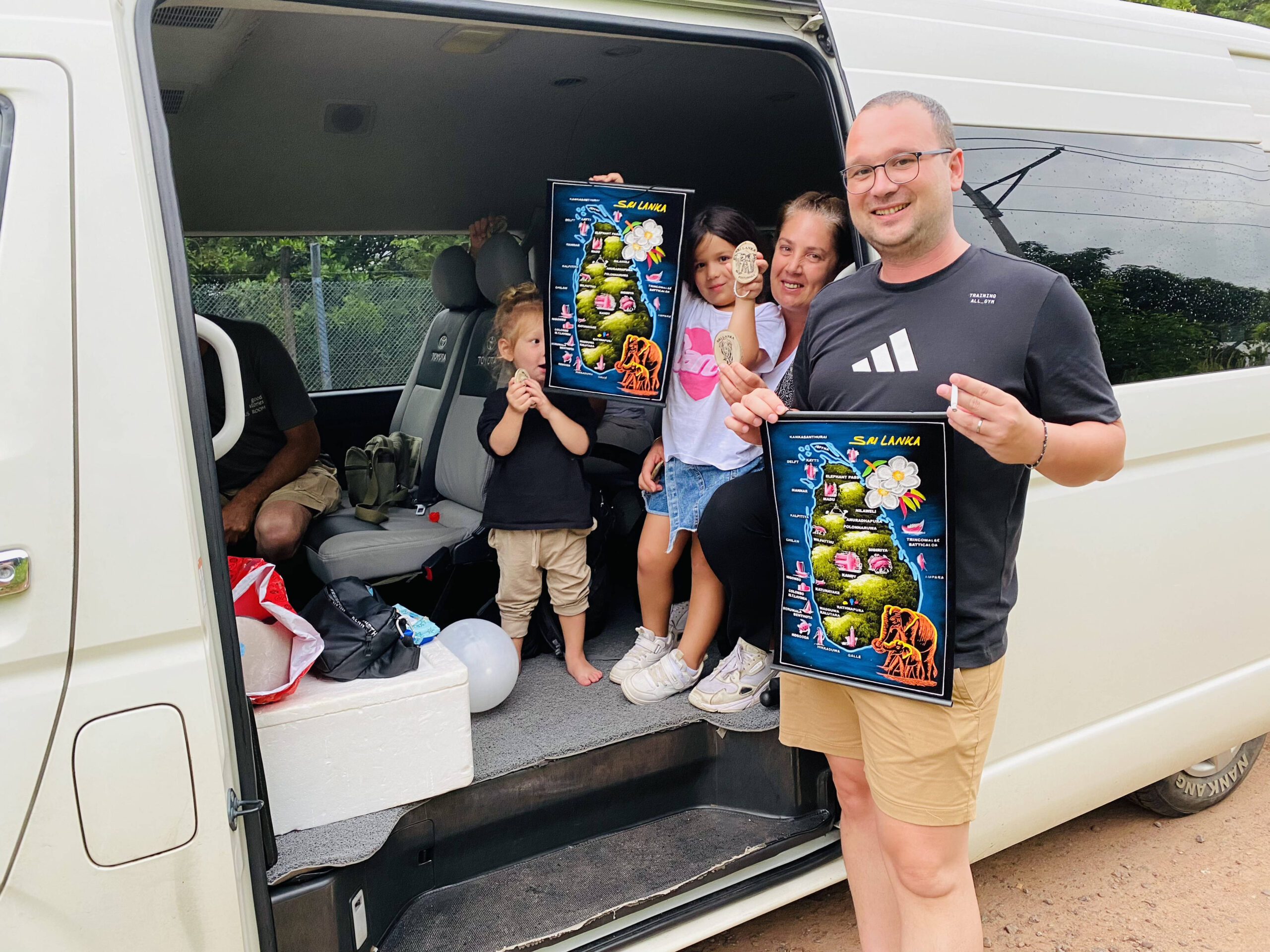
Our Kids Friendly Tours are of High Demand
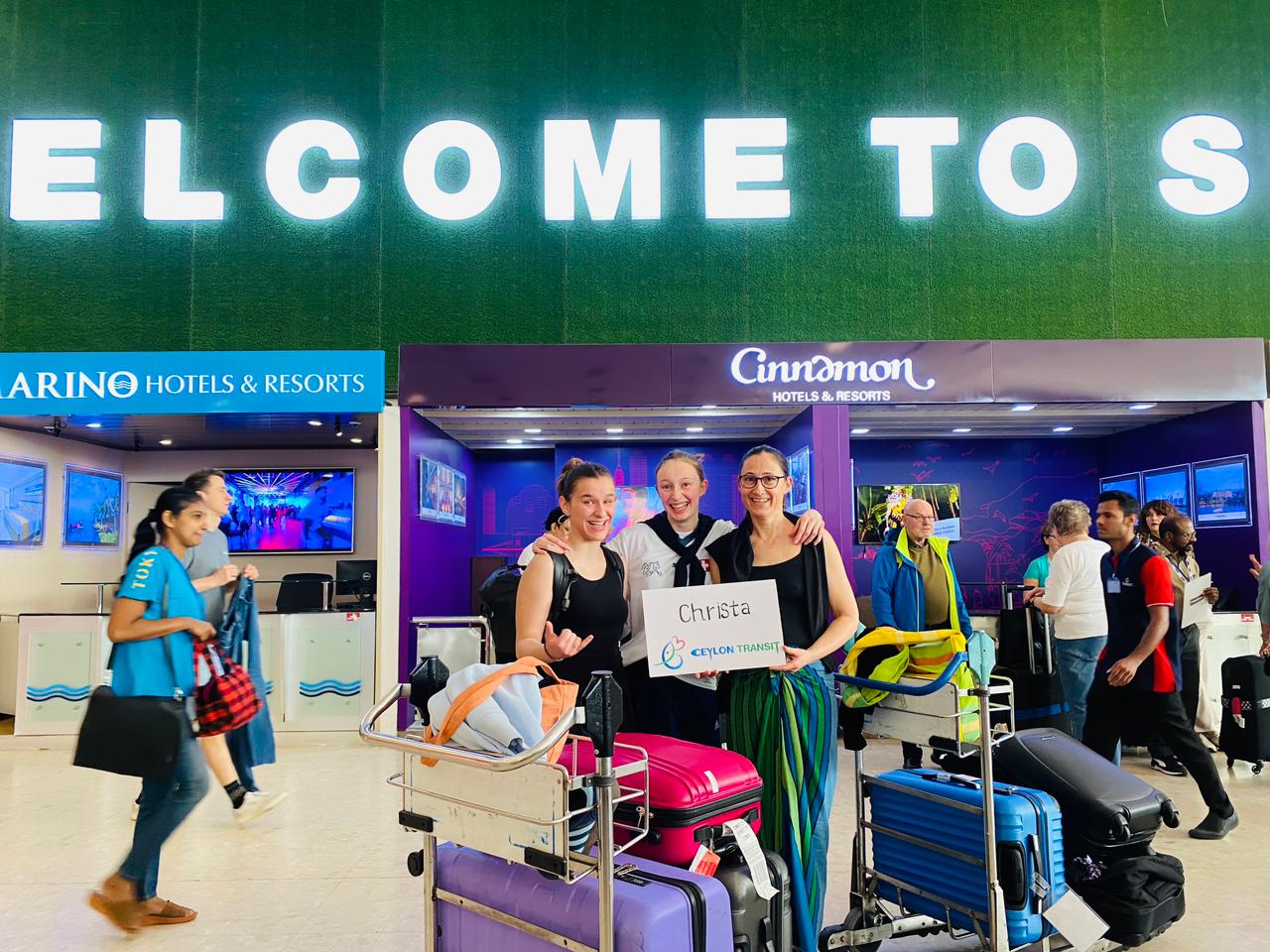
Christa from Switzerland was welcomed at the Colombo Airport
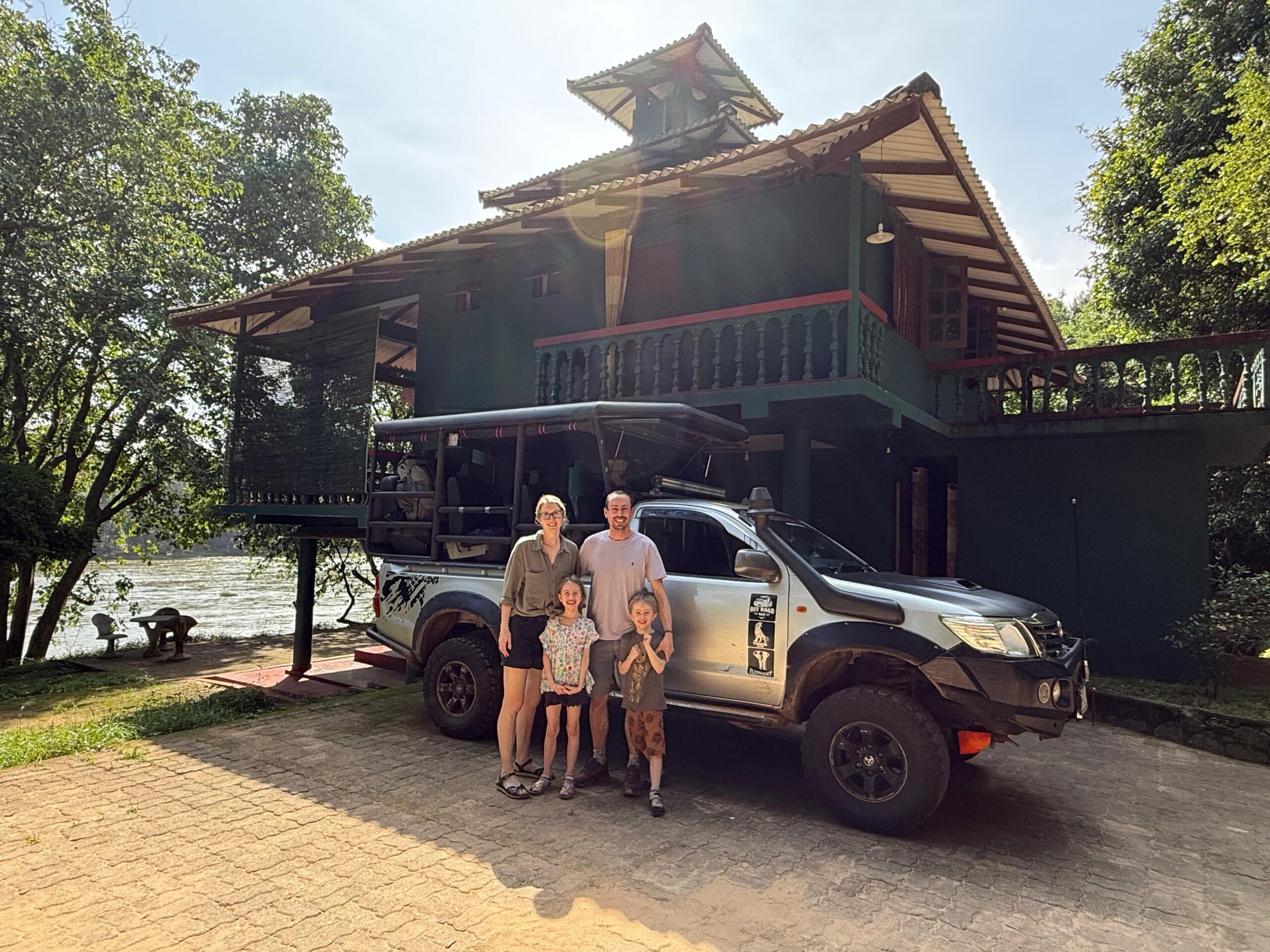
Phill & family spent 2 nights in Wavul Abe Wildlife Bungalow, Wasgamuwa NP, Sri Lanka
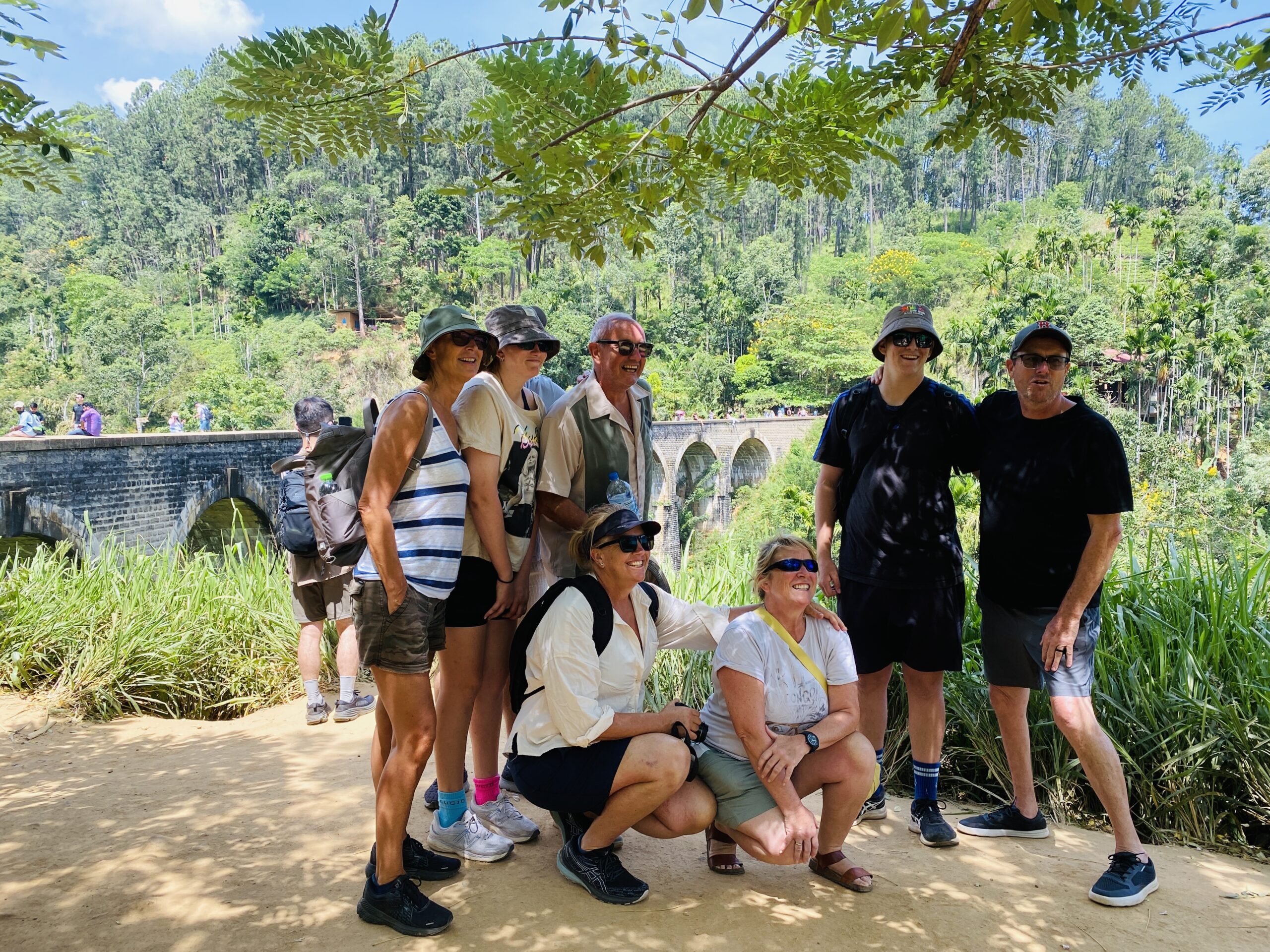
Danny and his family & friends at Nine Arch Bridge, Sri Lanka
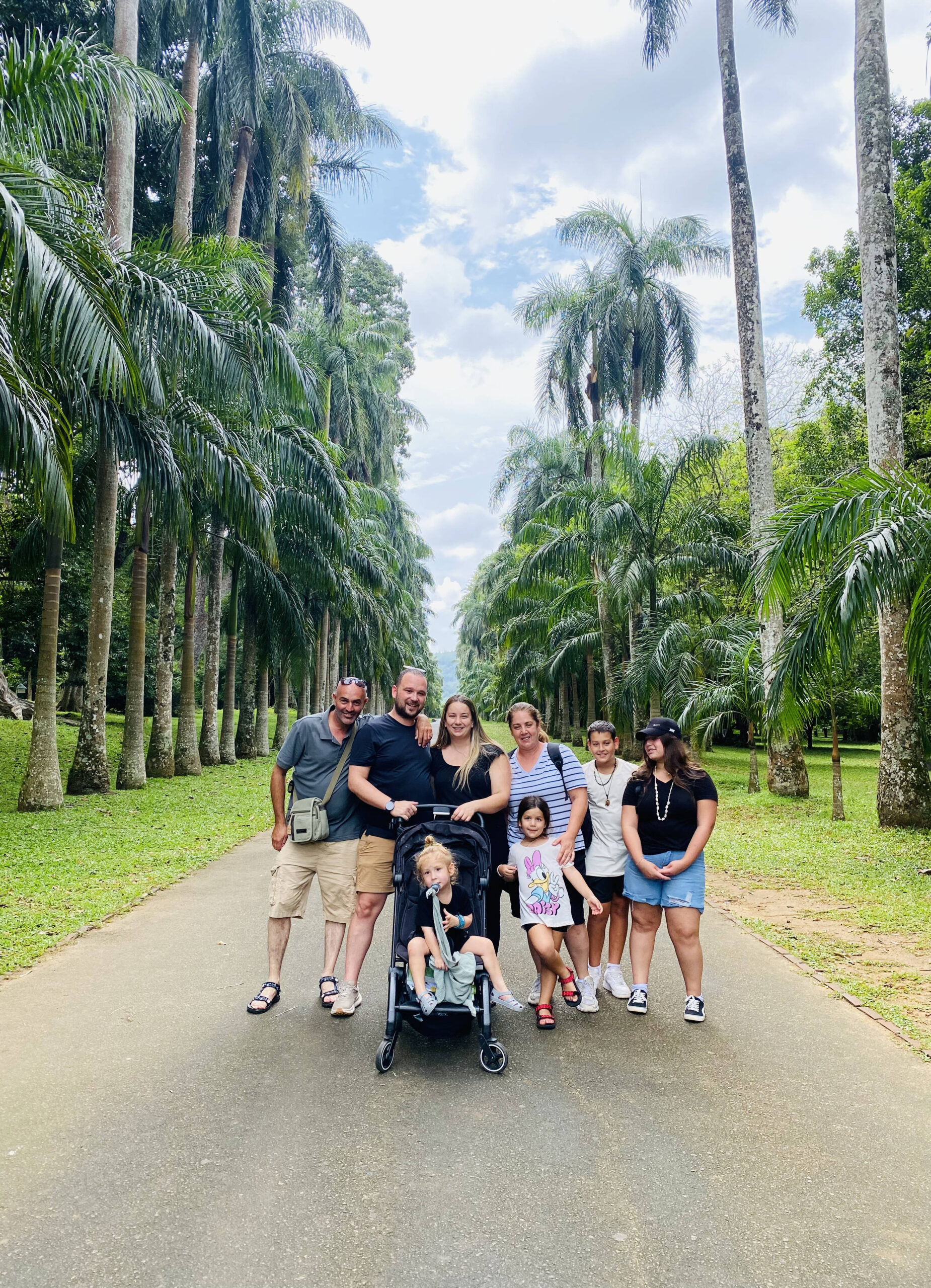
Family visit to Peradeniya Botanical Garden
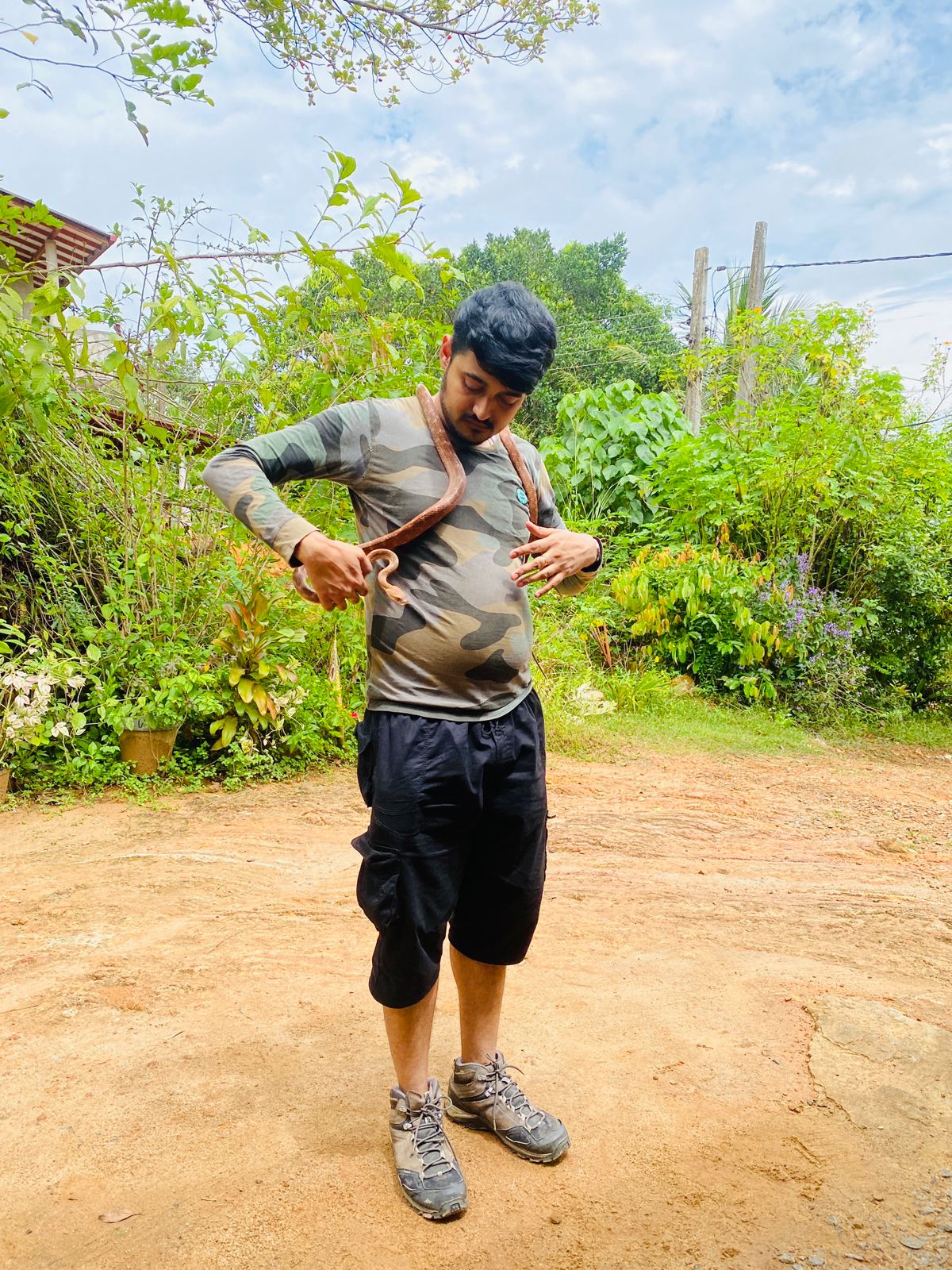
Subho with a Snake at Telijjawila Snake Farm
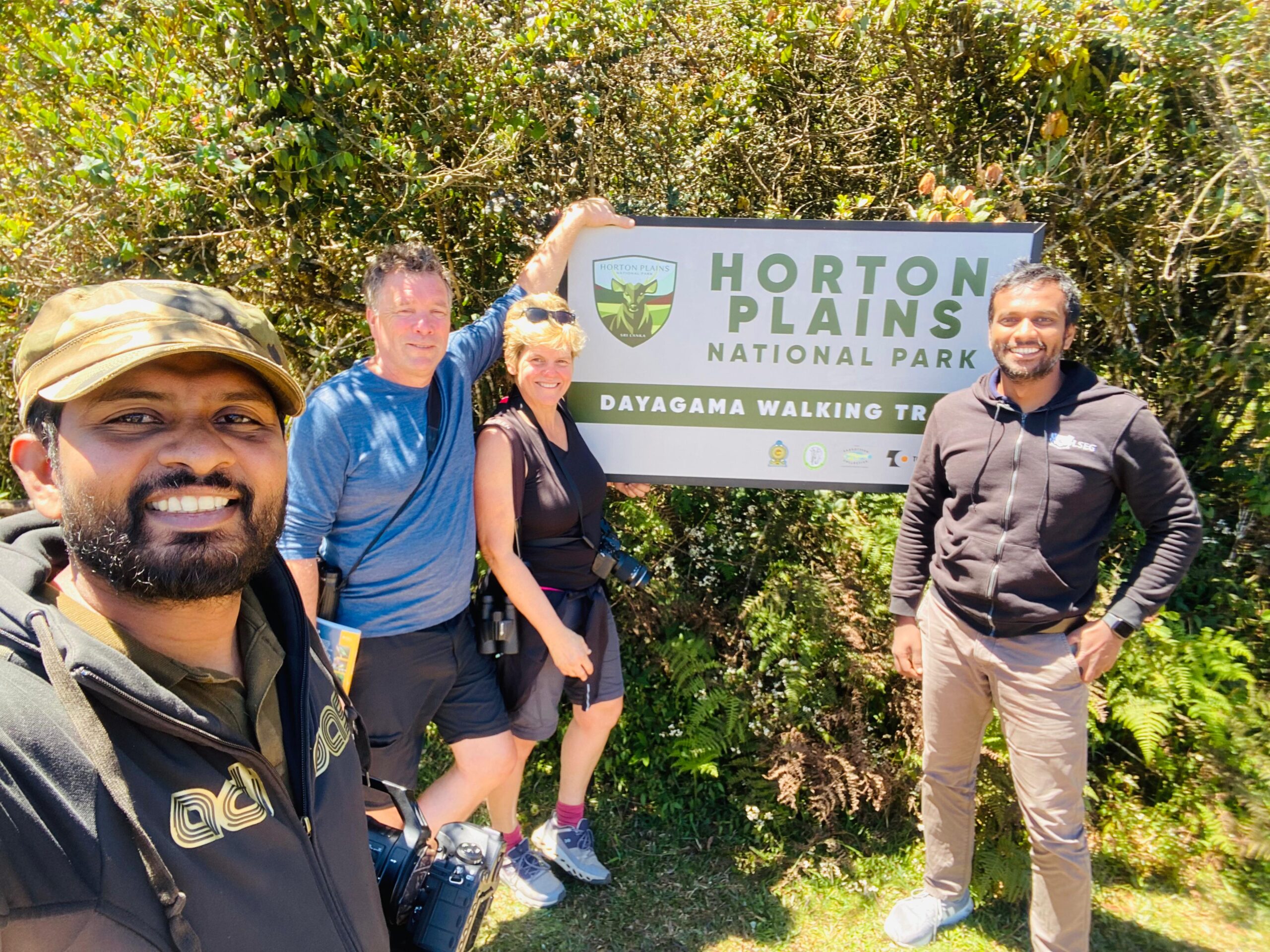
Guided Bird Watching Tour in Horton Plains
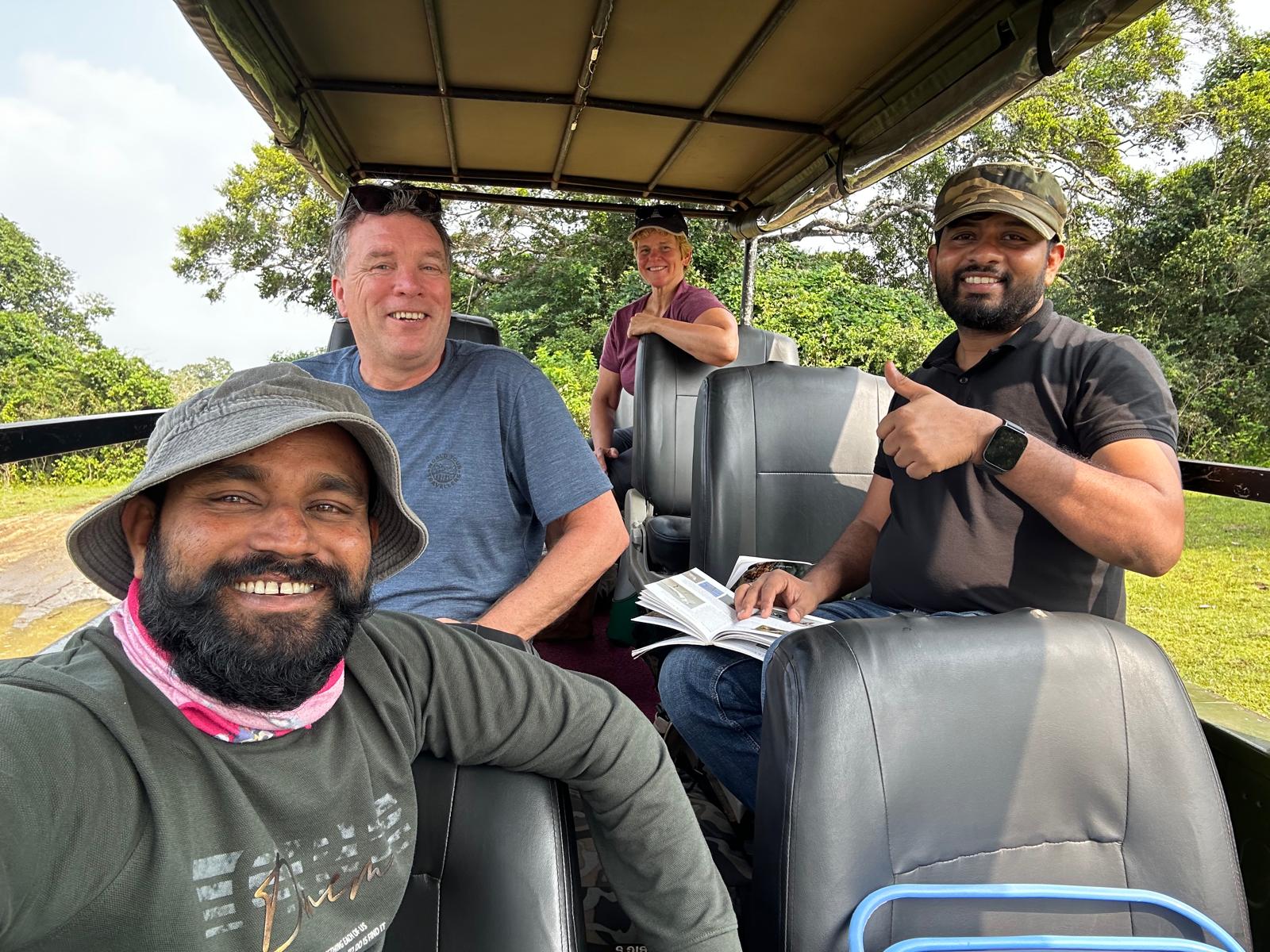
Small break during a Bird Watching Tour in Wilpattu National Park, Sri Lanka
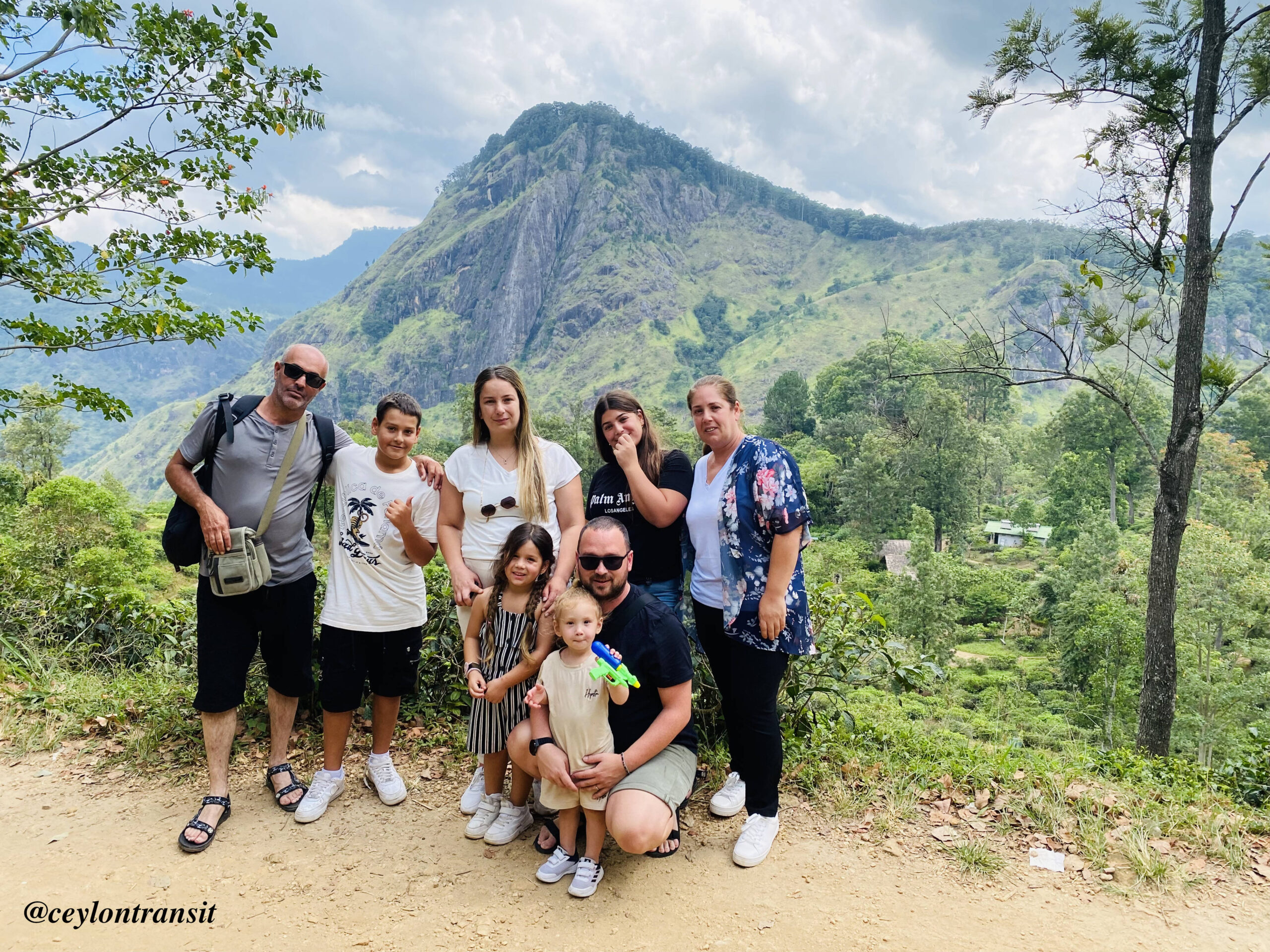
Salby & his family enjoying hiking time, Sri Lanka
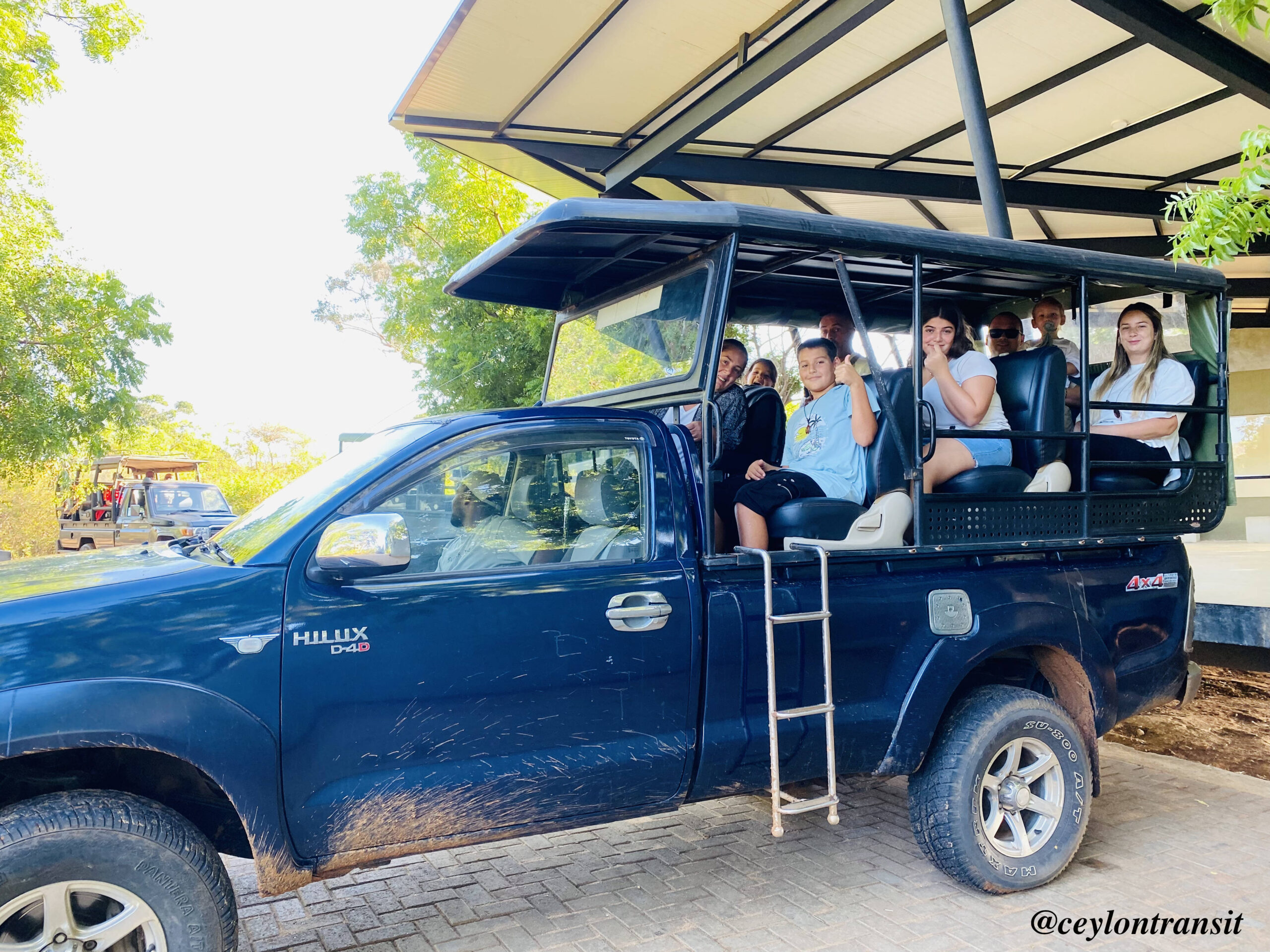
We Operate Premium Safari Experiences in all National Parks
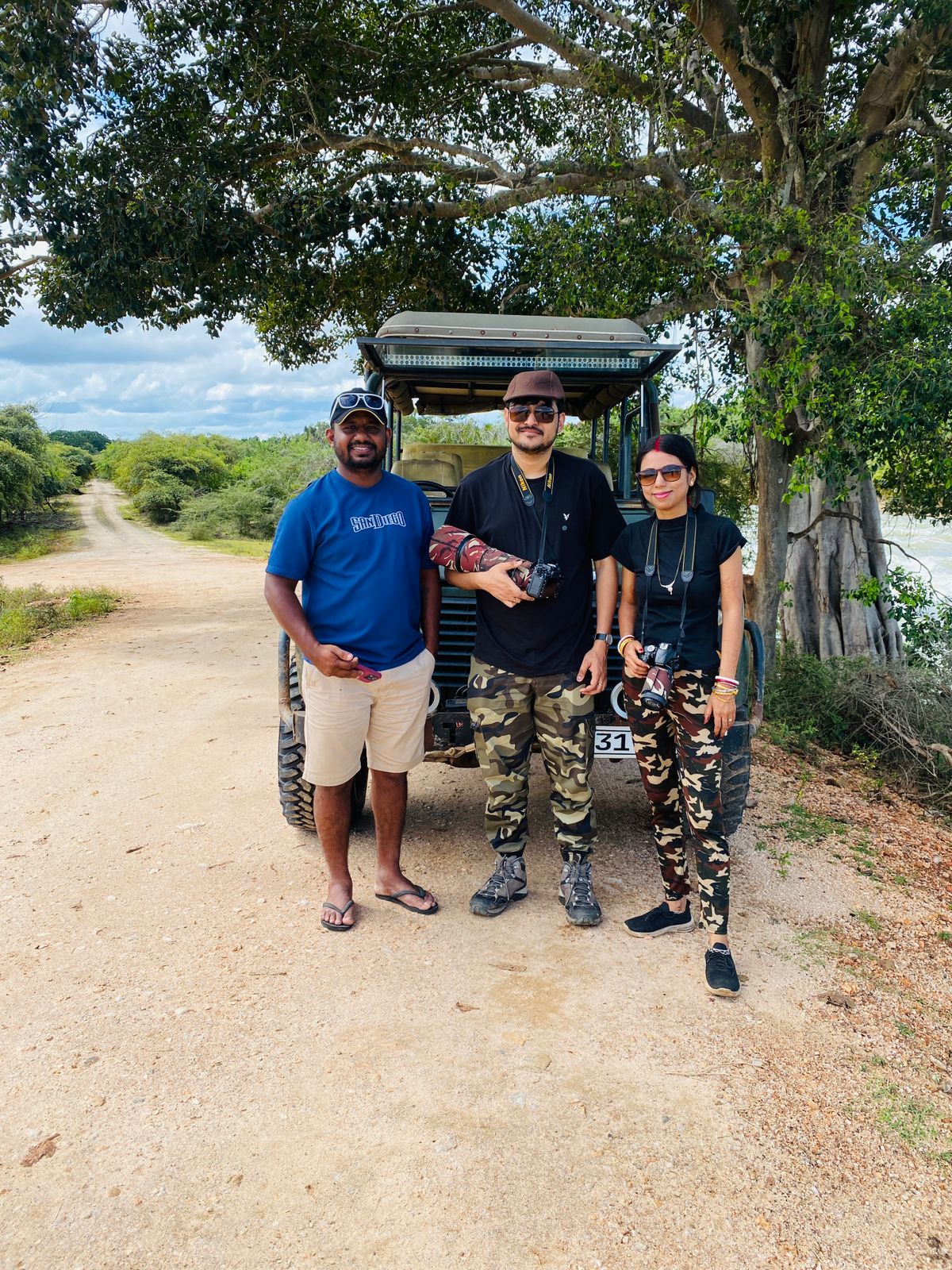
Shreya & Subho during Safari in Yala Block V, Sri Lanka